Impact

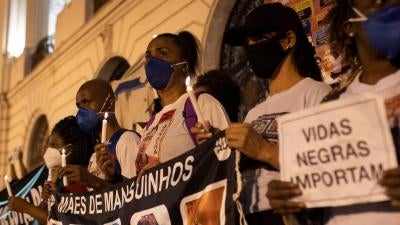
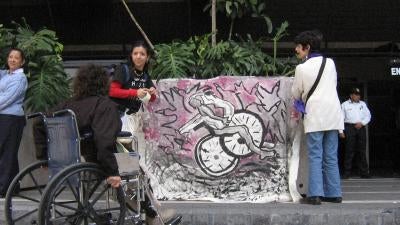
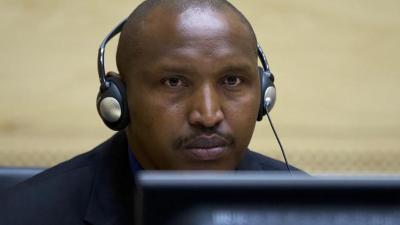
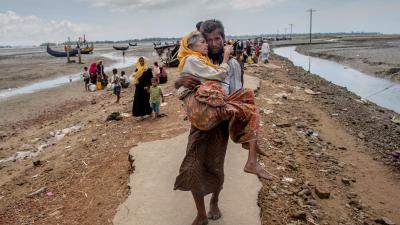
By investigating and exposing human rights abuses, we work to create a world where everyone is treated fairly and equitably, no matter their race, religion, or beliefs. We call for action so that people who disagree with their government can speak their opinions freely, so that children are protected, and refugees cared for. All of us, regardless of who we are, who we love, or the color of our skin, should be able to enjoy fully our human rights.

BROWSE ALL IMPACT ›

Change is sometimes immediate, sometimes incremental. We work on issues for years and know from experience how to transform deep-rooted problems. Here are examples of some of the recent impact we have made, together with our partners, in advancing human rights around the world.

How do we bring about change?

Investigate
Our researchers investigate human rights abuses, first by speaking with victims or witnesses. We corroborate their stories using a variety of sources, including government records, weapons’ fragments, satellite imagery, and the statements of accused perpetrators – be they members of governments, armed groups, or companies. We often do this work together with partner activists.

Expose
We share this information widely, in multiple languages, to help shape public debate. Our reports, videos, and social media posts show up hundreds of times daily in news media around the world, bringing both global and local attention to our rigorously fact-checked findings.

Change
Often in coalition with local groups, we bring our findings to officials who have the power to change things. For every issue we work on, we make specific, concrete policy recommendations that will bring people justice, prevent future abuses, and protect human rights.
Our work has been instrumental in some foundational victories for human rights, including our work on banning landmines worldwide, for which we and our partners received the 1997 Nobel Peace Prize. Below are some examples of our historic impact.

All impact

  • March 1, 2021
    Hundreds of migrants, mostly from Ethiopia, held in appalling conditions in Saudi detention centers will be released and returned home. In December, Human Rights Watch research found that the workers were subjected to ill-treatment and deplorable conditions at a deportation center in Riyadh, the Saudi capital.
    Ethiopian migrants arrive back in Ethiopia after months in Saudi detention camps
  • February 16, 2021
    When history reflects on the Syrian conflict, a defining hallmark will be the Syrian government’s deliberate targeting of civilians. Backed by Russian forces, the government has rained bombs on markets, hospitals, schools, and homes.
    201905mena_syria_idlib
  • February 11, 2021
    On January 27, Human Rights Watch sent a letter to members of the Organization for Economic Co-operation and Development (OECD) detailing the disastrous impacts of Brazilian President Jair Bolsonaro’s environmental policies. The intervention has now helped thwart his administration’s attempt to use the OECD to greenwash its record.
    Presidente Jair Messias Bolsonaro
  • January 20, 2021
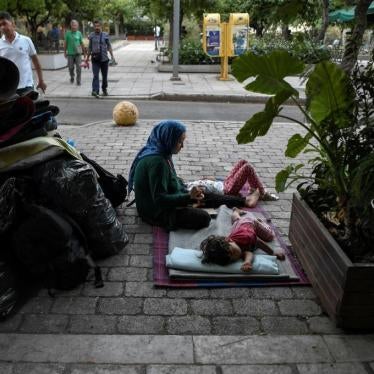
    In Greece, a recent high-profile court ruling and policy change mark momentous human rights victories for migrants and children. On October 7, an Athens court ruled that the country’s far-right xenophobic political party, Golden Dawn, whose members had seats in Parliament, was operating as a criminal organization. It also convicted some of its members of beating and even killing migrants, asylum seekers, and activists. Then, on December 10, Greece’s parliament abolished the harmful practice of detaining asylum-seeking and migrant children who arrived in Greece without their parents or a guardian, in place since 2001. Amy Braunschweiger speaks with researcher Eva Cosse, who has tirelessly advocated on these issues for a decade, about this hard-won impact and what happens next.
    A woman sits with her children in Victoria Square in Athens, Greece, awaiting transfer after being evicted from their place of residence, July 20, 2020.
  • January 15, 2021
    New York State’s Attorney General Letitia James filed a lawsuit yesterday against the New York City Police Department (NYPD) and its leadership for failing to address longstanding patterns of abuse, as well as using excessive force and making false arrests during racial justice protests that began last summer.
    Protester confronted by police line
  • December 4, 2020
    The passage of the Marijuana Opportunity Reinvestment and Expungement Act (MORE Act) in the House of Representatives on December 4, 2020, is a landmark step toward a rights-respecting criminal legal system in the United States, while furthering racial justice.
    Supporters hold flags near the Capitol in Washington, DC, during a rally in favor of marijuana legalization on April 24, 2017.
  • November 24, 2020
    A Congolese military court’s conviction of the militia leader Ntabo Ntaberi Sheka and two co-accused for serious abuses is a significant step in the fight against impunity in the Democratic Republic of Congo.