


September 8, 2026
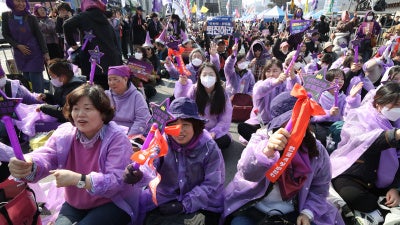
Too Old and A Woman
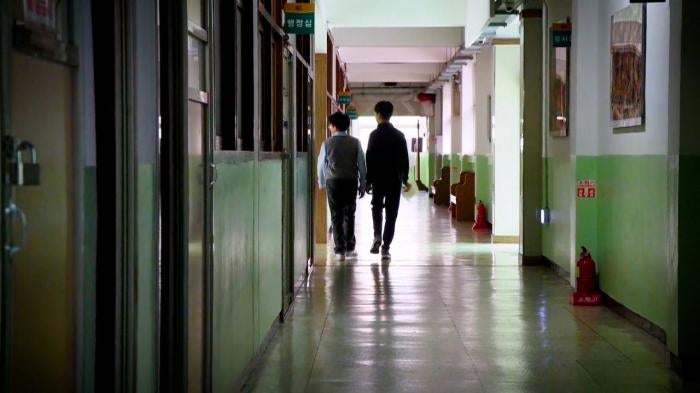
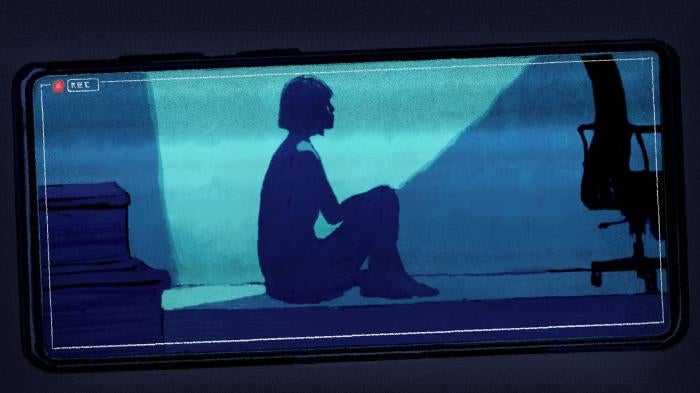
Systemic Age and Gender Discrimination Against Women at Work in South Korea

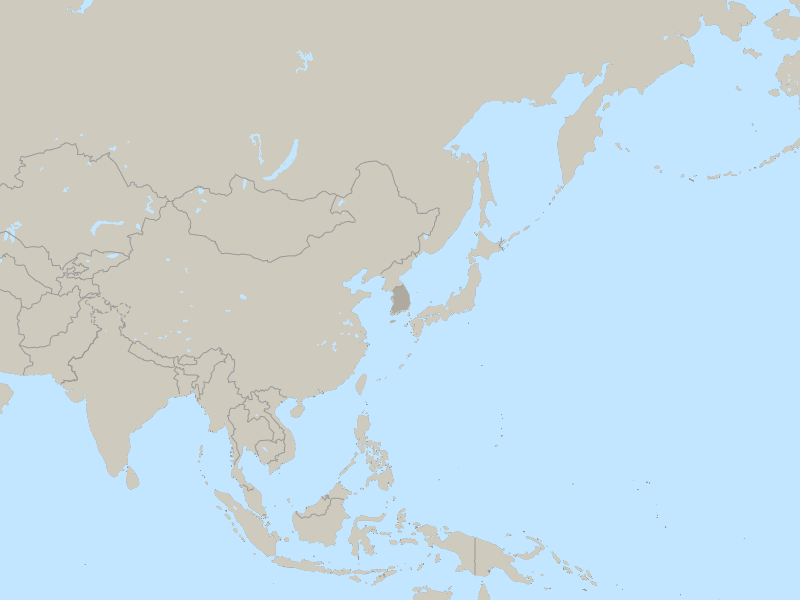
The Republic of Korea (South Korea) is a democracy that generally respects human rights, but discrimination impacts women and girls; lesbian, gay, bisexual, and transgender people; racial minorities; migrants; older people; and people with disabilities. Labor rights issues remain, including precarious work and age-based employment discrimination. South Korea is one of the few Organisation for Economic Co-operation and Development (OECD) countries still lacking an anti-discrimination law.
Despite a relatively free media and active civil society, authorities continue to use criminal defamation provisions and sweeping intelligence and national security laws to restrict speech, creating a chilling effect on journalists, activists, political opponents, and critics. Former president Yoon Suk-yeol’s brief declaration of martial law in December 2024 underscored the need for stronger democratic safeguards.
Systemic Age and Gender Discrimination Against Women at Work in South Korea

Neglecting the Rights of LGBT Youth in South Korean Schools

Lawmakers Should Act to Recognize LGBT Relationships
Groups Seek Seoul’s Further Commitment on Promoting Human Rights
LGBT People’s Inclusion in Official Statistics a Win for Rights

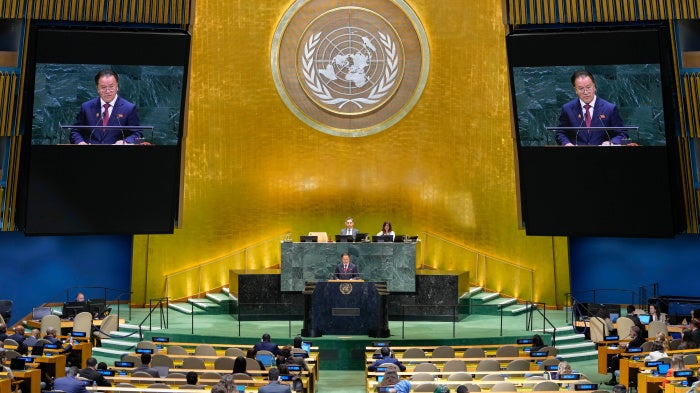
2025 North Korean human rights resolution to be adopted at the 80th United Nations General Assembly
HRW Oral Statement - Item 3 General Debate - HRC60

Re: South Korea's Abolition of the Death Penalty
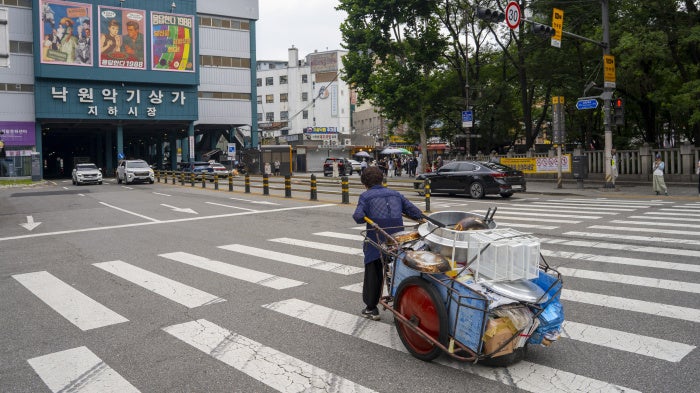
End Age-based Discrimination; Increase Social Security