Impact

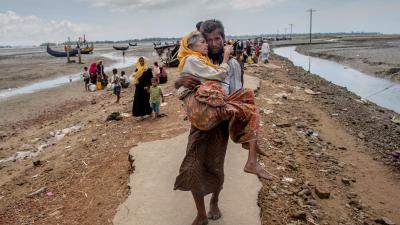
By investigating and exposing human rights abuses, we work to create a world where everyone is treated fairly and equitably, no matter their race, religion, or beliefs. We call for action so that people who disagree with their government can speak their opinions freely, so that children are protected, and refugees cared for. All of us, regardless of who we are, who we love, or the color of our skin, should be able to enjoy fully our human rights.

BROWSE ALL IMPACT ›

Change is sometimes immediate, sometimes incremental. We work on issues for years and know from experience how to transform deep-rooted problems. Here are examples of some of the recent impact we have made, together with our partners, in advancing human rights around the world.

How do we bring about change?

Investigate
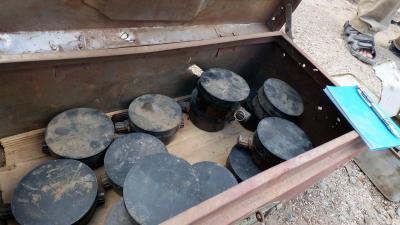
Our researchers investigate human rights abuses, first by speaking with victims or witnesses. We corroborate their stories using a variety of sources, including government records, weapons’ fragments, satellite imagery, and the statements of accused perpetrators – be they members of governments, armed groups, or companies. We often do this work together with partner activists.

Expose
We share this information widely, in multiple languages, to help shape public debate. Our reports, videos, and social media posts show up hundreds of times daily in news media around the world, bringing both global and local attention to our rigorously fact-checked findings.

Change
Often in coalition with local groups, we bring our findings to officials who have the power to change things. For every issue we work on, we make specific, concrete policy recommendations that will bring people justice, prevent future abuses, and protect human rights.

Our work has been instrumental in some foundational victories for human rights, including our work on banning landmines worldwide, for which we and our partners received the 1997 Nobel Peace Prize. Below are some examples of our historic impact.

All impact

  • July 10, 2020
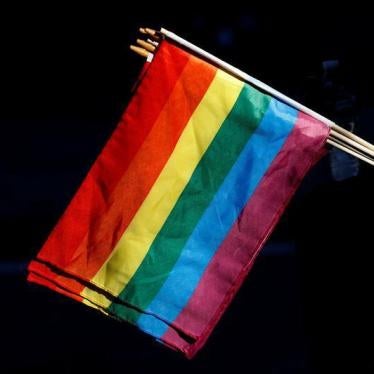
    The High Court of Uganda awarded damages of UGX 5,000,000 (about US$1,340) to 20 homeless gay, bisexual, and transgender people who had been arbitrarily detained and held without access to their lawyers.
    201712lgbt_flag_protest_generic
  • June 22, 2020
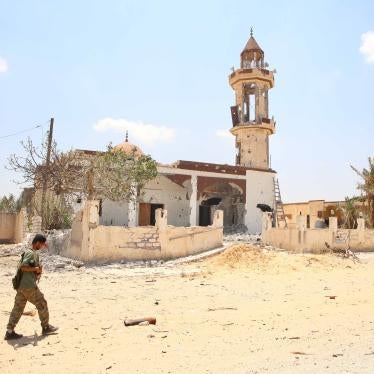
    The United Nations Human Rights Council on June 22, 2020 took a positive step toward accountability by establishing a fact-finding body to investigate violations by all sides in Libya, Human Rights Watch said today.
    Fighting since April 2019 resulted in considerable damage to residential areas in the surroundings of Tripoli Airport, shown here on June 2, 2020.
  • June 18, 2020
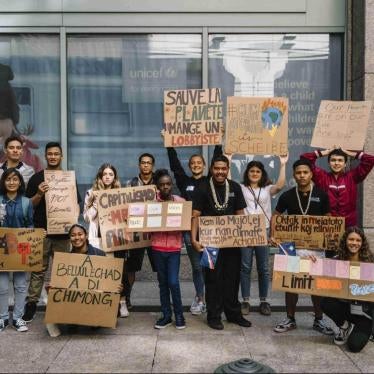
    A 16-year-old boy named David is one of a group of 15 children who lodged a UN complaint last year against Germany and four other countries for its lagging efforts to fight the global climate crisis. David is from the Marshall Islands, on the front line of climate change.
    UN Complaint Youth Activists
  • June 16, 2020
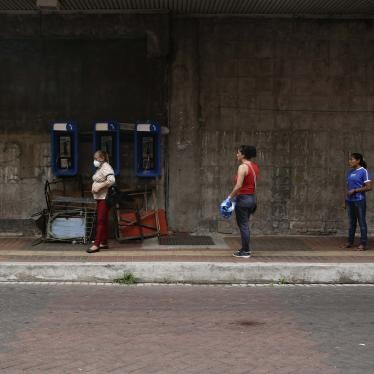
    Panama’s Ministry of Public Security announced last month that it had ordered security forces to avoid discriminating against lesbian, gay, bisexual, transgender, and intersex (LGBTI) people under its Covid-19 policies – an important acknowledgment of the rights of transgender people in the country and the abuse they have faced during the pandemic.
    Women practice social distancing as they wait in line to enter a supermarket, on a day that men must stay indoors in Panama City on April 3, 2020.
  • June 9, 2020
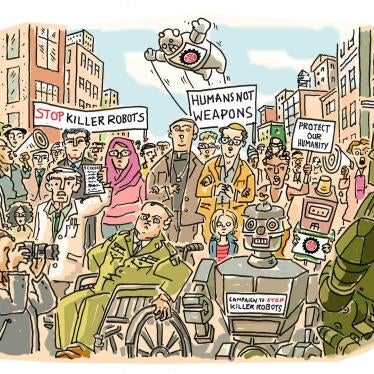
    Thousands of children across Belgium studied five shortlisted Peace Prize nominees over the past school year and voted for the Campaign to Stop Killer Robots to win the award, given out every three years by the city of Ypres.
    Growing opposition to fully autonomous weapons from various quarters shows how the public conscience supports banning weapons systems that lack meaningful human control.
  • June 9, 2020
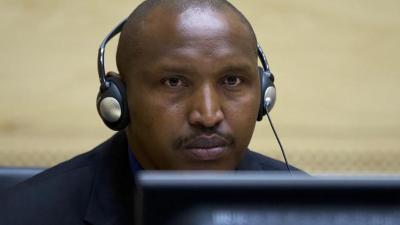
    The surrender of Ali Kosheib to the International Criminal Court is a major advance for justice for victims of atrocities in Darfur and their families.
    Protesters hold posters of Sudan's then-President Omar Hassan al-Bashir and Janjaweed leader Ali Kosheib (R) outside the European Union Council in Brussels, July 2008.
  • June 5, 2020
    Greece’s month-long suspension of its asylum system, closed in reaction to Turkey encouraging migrants and asylum seekers to cross into Greece, ended on April 1. The asylum system however was closed again through May 18, citing Covid-19, but is now operating.
    A child plays in a temporary tent camp near the camp for migrants in Moria, Lesbos which is overcrowded and lacks adequate hygiene facilities and sanitation, putting migrants, including pregnant people, at particular risk amid Covid-19
  • May 26, 2020
    For the first time, Brazils’ Attorney General’s office has produced a report analyzing violence against Indigenous peoples, Afro-Brazilian rural communities, and other at-risk rural communities by people engaged in illegal logging, mining, and land grabbing, mostly in the Amazon.
    201909AME_Brazil_Rainforest_Defenders_photo