

November 26, 2019
Chile: Police Reforms Needed in the Wake of Protests
Excessive Force Against Demonstrators, Bystanders; Serious Abuse in Detention
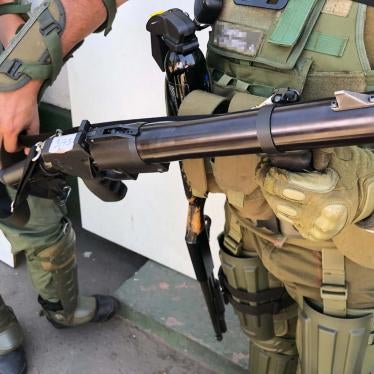
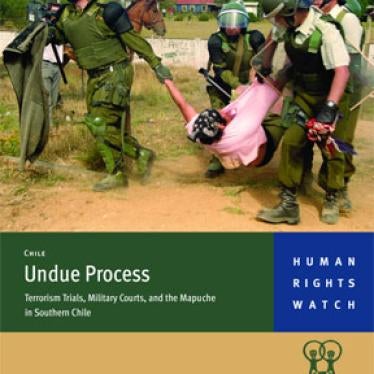
A constitutional process is underway to draft a new constitution, largely in response to massive demonstrations in 2019. Chile’s police responded to those protests with excessive force. Structural changes to prevent police misconduct and strengthen oversight and accountability are still pending. The conflict between Mapuche communities and the Chilean state over land rights, political representation, and security continues. President Gabriel Boric’s administration has consistently promoted human rights abroad, regardless of the ideology of the government committing the abuses. Chile faces important human rights challenges regarding migrants, refugees, women, children, and lesbian, gay, bisexual, and transgender (LGBT) people.

Excessive Force Against Demonstrators, Bystanders; Serious Abuse in Detention

Limited Access to Asylum, Integration Pushes People to the Darién Gap

Priorities for the UN Human Rights Council 52nd session
Promises Should Be Realized, and More
Addresses Parentage, Joint Adoption, Assisted Reproductive Technology