







June 27, 2023
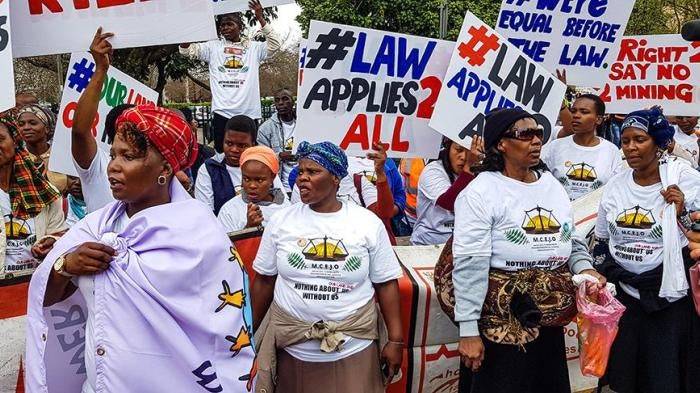
“This Government is Failing Me Too”
South Africa Compounds Legacy of Apartheid for Older People
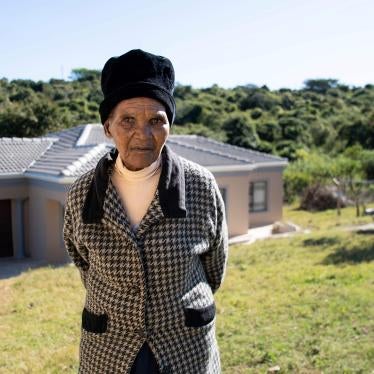
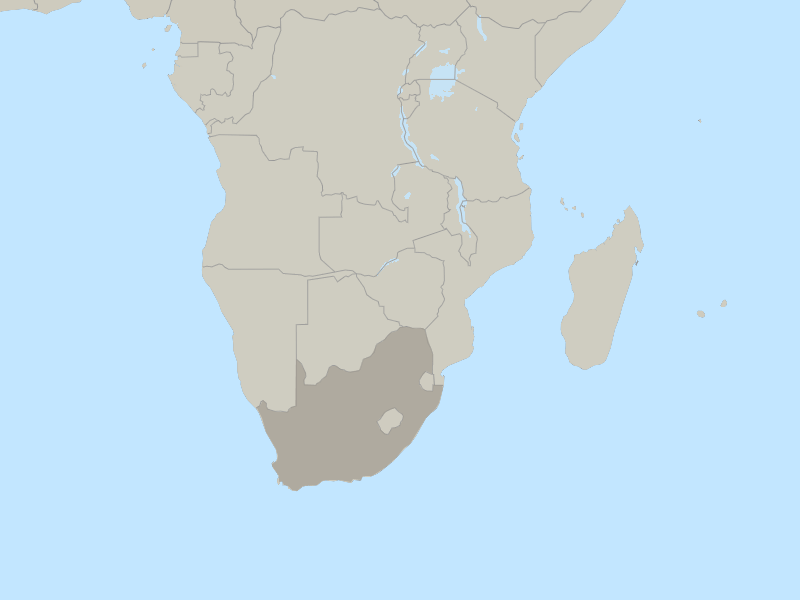
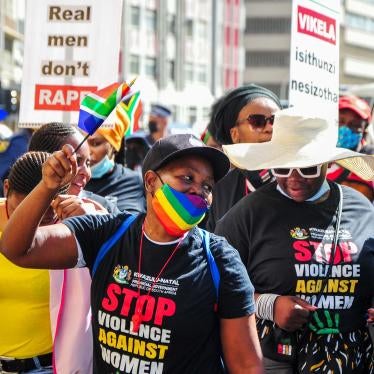
In 2024, the African National Congress that had governed the country for 30 years, lost its parliamentary majority. While the elections were peaceful, the lead up to the elections was marred by an increase in anti-immigrant hate speech scapegoating foreign nationals for the economic hardships experienced in the country. South Africa is in the top six countries with the highest femicide rates worldwide and sexual violence remains an enduring and endemic nightmare for women in South Africa.
South Africa Compounds Legacy of Apartheid for Older People
Perpetual Rights Risks from Unrehabilitated Coal Mines in South Africa

Improve Shelter Funding; Increase Access for Sex Workers, LGBT, Undocumented Survivors
Xenophobic Violence Against Non-Nationals in South Africa


Stop Scapegoating Migrants; Ensure Protection Measures, Accountability

Conduct Prompt and Thorough Investigation; Ensure Accountability

Enact New Protection Law; Ensure Accountability
Regional Bodies Should Press Governments to Respect Rights, Promote Accountability

Prioritize Pregnant Women, Girls; Improve Shelter Conditions

Egypt, Vietnam, Others Benefit from Non-Competitive Vote

Suspend Mining Operations in Lead Waste that Imperil Residents in Kabwe

South Africa Court to Rule on Constitutionality of Criminalizing Sex Work

Safeguard Children’s Rights, Protect Children From All Forms of Violence