
Impact

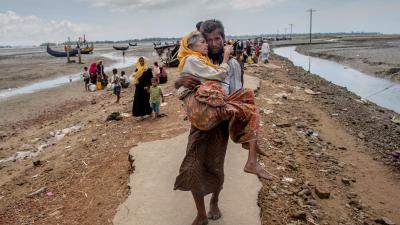
By investigating and exposing human rights abuses, we work to create a world where everyone is treated fairly and equitably, no matter their race, religion, or beliefs. We call for action so that people who disagree with their government can speak their opinions freely, so that children are protected, and refugees cared for. All of us, regardless of who we are, who we love, or the color of our skin, should be able to enjoy fully our human rights.

BROWSE ALL IMPACT ›

Change is sometimes immediate, sometimes incremental. We work on issues for years and know from experience how to transform deep-rooted problems. Here are examples of some of the recent impact we have made, together with our partners, in advancing human rights around the world.

How do we bring about change?

Investigate
Our researchers investigate human rights abuses, first by speaking with victims or witnesses. We corroborate their stories using a variety of sources, including government records, weapons’ fragments, satellite imagery, and the statements of accused perpetrators – be they members of governments, armed groups, or companies. We often do this work together with partner activists.

Expose
We share this information widely, in multiple languages, to help shape public debate. Our reports, videos, and social media posts show up hundreds of times daily in news media around the world, bringing both global and local attention to our rigorously fact-checked findings.

Change
Often in coalition with local groups, we bring our findings to officials who have the power to change things. For every issue we work on, we make specific, concrete policy recommendations that will bring people justice, prevent future abuses, and protect human rights.

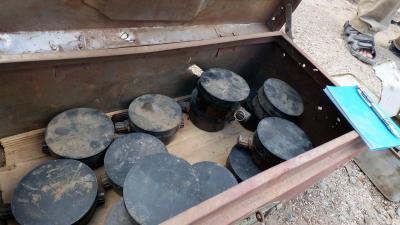
Our work has been instrumental in some foundational victories for human rights, including our work on banning landmines worldwide, for which we and our partners received the 1997 Nobel Peace Prize. Below are some examples of our historic impact.

All impact

  • December 8, 2021
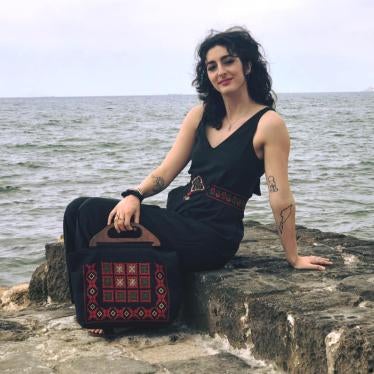
    Lebanon’s General Security should immediately release Nada Al Homsi. a journalist from the US, who was arrested on November 16, 2021, and whose detention is now arbitrary.
    Nada Homsi
  • November 16, 2021
    A new framework published by the International Olympic Committee promotes inclusion in sport, Human Rights Watch said today. The new policy contrasts with the “sex testing” policies imposed on some athletes in international track and field competitions.
    Person holding image of athletes in a race.
  • November 3, 2021
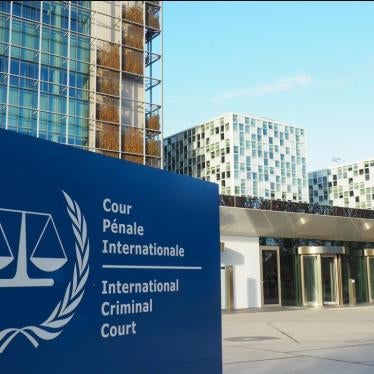
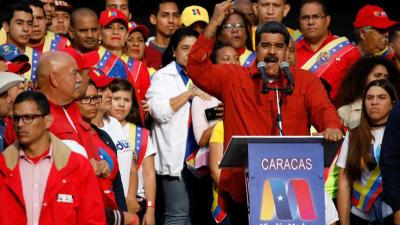
    The decision of the International Criminal Court (ICC) prosecutor to open an investigation in Venezuela offers a pathway to justice for victims of atrocities by Nicolás Maduro’s government.
    ICC permanent premises
  • October 12, 2021
    Less than three weeks ahead of the global COP 26 climate summit in Glasgow, two key United Nations human rights bodies in Geneva have taken action to strengthen the human rights framework around the climate crisis.
    Dry climate and wildfires create a residual layer of thick pollutants that cover the city of São Paulo, Brazil on September 17, 2020.
  • October 6, 2021
    Police abuse is a chronic human rights problem that Human Rights Watch has worked on for decades in Brazil. In the last five years, Brazilian police killed 22,000 people, most of them Black.
    Police officers patrol the Rocinha slum after violent clashes between drug gangs, in Rio de Janeiro, Brazil September 29, 2017. The banner reads: "The Rocinha asks for peace."
  • September 27, 2021
    The International Basketball Federation’s (FIBA) report on systemic sexual harassment and abuse within the Mali Basketball Federation (FMBB) vindicates the victims of abuse, survivors, whistleblowers, and activists who took enormous risks to bring this abuse to light, the Sport & Rights Alliance said today.
    Former President of the International Basketball Federation (FIBA) Hamane Niang attends the FIBA Basketball World Cup 2019 official mascot launch ceremony on April 18, 2018 in Beijing, China.
  • August 18, 2021
    UK troops who commit war crimes and crimes against humanity overseas, can still be prosecuted in UK courts. In May the UK government reversed course on a plan that would have effectively immunized from prosecution UK forces who allegedly committed international crimes while serving overseas. This significant victory was brought about by nongovernmental organizations (NGOs,) including Human Rights Watch, which put pressure on the UK government to not include this provision in a new law, the Overseas Operations Act.
    The International Criminal Court, or ICC, is seen in The Hague, Netherlands, November 7, 2019.