


Impact

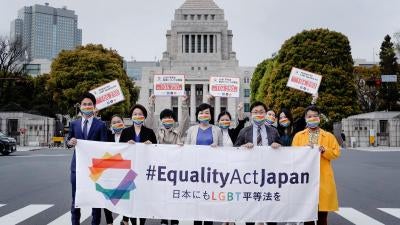
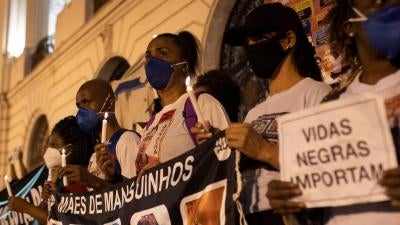
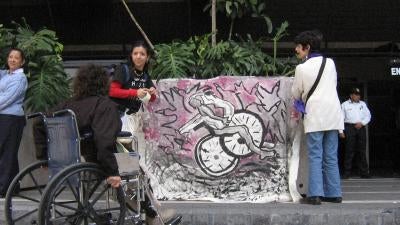
By investigating and exposing human rights abuses, we work to create a world where everyone is treated fairly and equitably, no matter their race, religion, or beliefs. We call for action so that people who disagree with their government can speak their opinions freely, so that children are protected, and refugees cared for. All of us, regardless of who we are, who we love, or the color of our skin, should be able to enjoy fully our human rights.

BROWSE ALL IMPACT ›

Change is sometimes immediate, sometimes incremental. We work on issues for years and know from experience how to transform deep-rooted problems. Here are examples of some of the recent impact we have made, together with our partners, in advancing human rights around the world.

How do we bring about change?

Investigate
Our researchers investigate human rights abuses, first by speaking with victims or witnesses. We corroborate their stories using a variety of sources, including government records, weapons’ fragments, satellite imagery, and the statements of accused perpetrators – be they members of governments, armed groups, or companies. We often do this work together with partner activists.

Expose
We share this information widely, in multiple languages, to help shape public debate. Our reports, videos, and social media posts show up hundreds of times daily in news media around the world, bringing both global and local attention to our rigorously fact-checked findings.

Change
Often in coalition with local groups, we bring our findings to officials who have the power to change things. For every issue we work on, we make specific, concrete policy recommendations that will bring people justice, prevent future abuses, and protect human rights.

Our work has been instrumental in some foundational victories for human rights, including our work on banning landmines worldwide, for which we and our partners received the 1997 Nobel Peace Prize. Below are some examples of our historic impact.
All impact

  • May 24, 2022
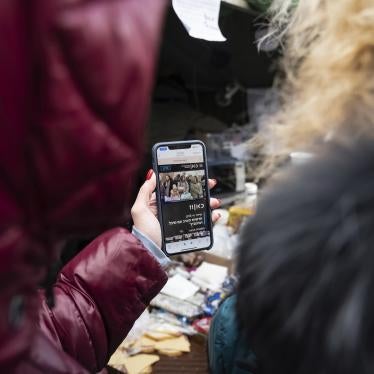
    Twitter recently announced a slew of new policy directives aimed at better moderating information around the war in Ukraine. Among these was the announcement in April that it would begin removing tweets from government and state-affiliated media accounts that depict prisoners of war (POW) in conflicts, which is contrary to the Geneva Conventions that set out the laws of war.
    Two women from Kharkiv, Ukraine, watch news on a mobile phone, just after having crossed the border into Moldova, on March 10, 2022.
  • May 23, 2022
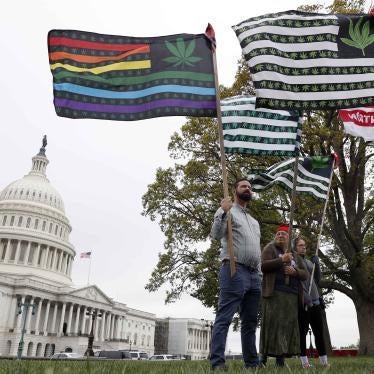
    The US House of Representatives narrowly approved a far-reaching reform bill that would end marijuana prohibition by removing marijuana from the federal list of controlled substances. The bill would expunge the record of those convicted of certain marijuana-related offenses, and reduce sentences for others. Through a tax on sales, it would also fund services in communities most impacted by prohibition and provide support for a more diverse and inclusive market.
    Supporters hold flags near the Capitol in Washington, DC, during a rally in favor of marijuana legalization on April 24, 2017.
  • April 1, 2022
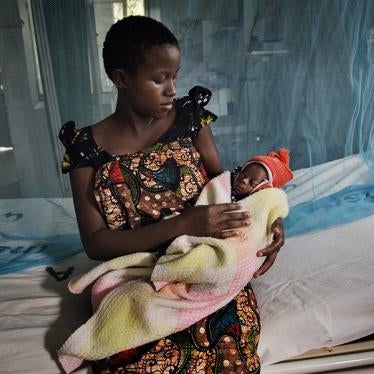
    Thousands of girls who are adolescent mothers in Tanzania now have the option to study in public secondary schools, thanks to the government reversing its position and allowing adolescent mothers to return to their studies.
  • March 31, 2022
    The United Nations Human Rights Council took a critical step on March 31, 2022 to promote justice for human rights violations in Nicaragua.
    Delegates sit at the opening of the 41th session of the Human Rights Council, at the European headquarters of the United Nations in Geneva, Switzerland, June 24, 2019.
  • March 29, 2022
    The International Criminal Court’s trial of Ali Kosheib, or Kushayb, will open on April 5, 2022 and offers a first opportunity to see a leader face prosecution for massive crimes committed in Darfur nearly 20 years ago.
    Ali Mohammed Ali, known as Ali Kosheib or Kushayb, in The Hague, Netherlands. during the opening of his confirmation hearing on charges for crimes in Darfur, Sudan.
  • March 22, 2022
    (Nairobi, March 23, 2022) – Tanzania’s pledge to adopt guidelines to ensure that schools ensure adolescent mothers can return to schools by June 2022 is an important turning point for girls’ education, Human Rights Watch and Accountability Counsel said today.
    The flag of the United Republic of Tanzania.