US Expulsions of Third-Country Nationals to Countries in Africa
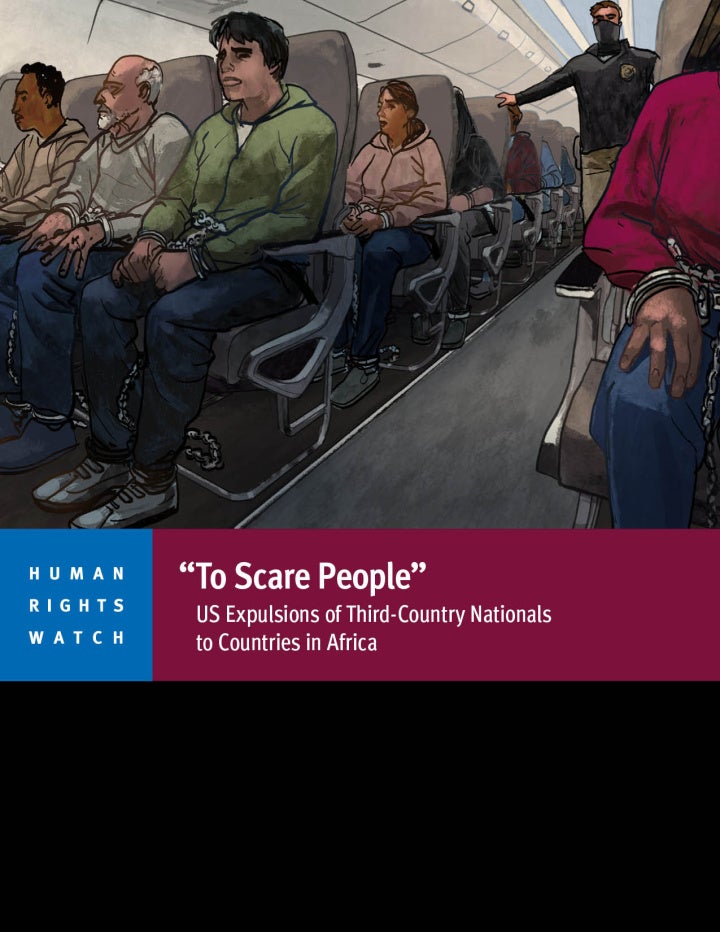
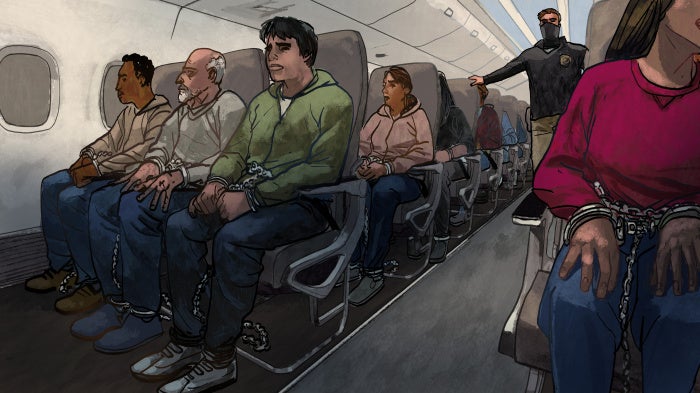
The 125-page report, “‘To Scare People’: US Expulsions of Third-Country Nationals to Countries in Africa,” documents that US authorities denied the more than 500 people transferred to third countries a meaningful chance to contest their removals or to articulate their fears of being removed to these countries. Some countries arbitrarily detained people they had accepted, and some have sent people onward to the risk of persecution or torture in their home countries, violating the international law principle of nonrefoulement.
The UK’s Dangerous Reliance on Diplomatic Assurances
This 36-page report focuses on two important appeals in the House of Lords this month that will test the reliability of no-torture promises from the governments of Algeria and Jordan. In the pending appeals, Britain’s highest court will grapple for the first time with the government’s “deportation with assurances” policy, an important component of its counterterrorism strategy.
A Way Forward for Workers’ Rights in US Free Trade Accords
This 36-page report provides a roadmap for a new US administration to strengthen the requirements for workers’ rights in these agreements and to improve their enforcement. The Human Rights Watch report outlines in detail elements needed to effectively guarantee labor rights.
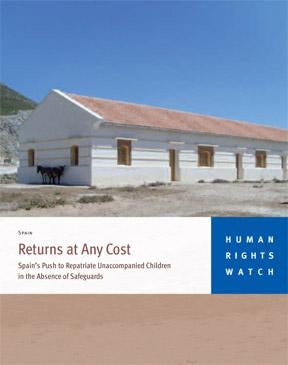
Spain’s Push to Repatriate Unaccompanied Children in the Absence of Safeguards
This 22-page report says that in Andalusia, the southern region that is a common entry point for migrants, authorities have said they intend to send up to 1,000 unaccompanied children in their custody to Morocco, claiming that safeguards are in place. But officials could not explain how they determined it was in a child’s best interest to return, as required by law.
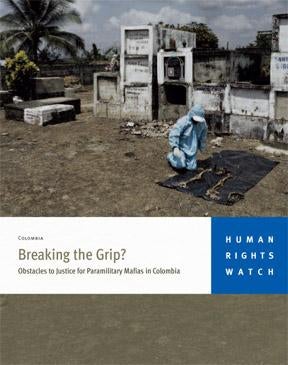
Obstacles to Justice for Paramilitary Mafias in Colombia
This 140-page report assesses Colombia’s progress toward investigating and breaking the influence of paramilitaries’ mafia-like networks. It also describes government actions that pose serious obstacles to continued progress.
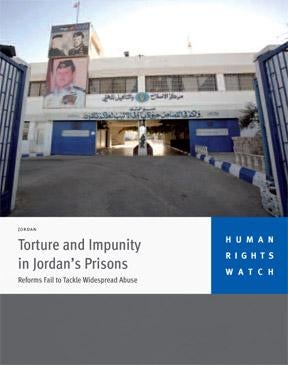
This 95-page report documents credible allegations of ill-treatment, often amounting to torture, from 66 out of 110 prisoners interviewed at random in 2007 and 2008, and in each of the seven of Jordan’s 10 prisons visited. Human Rights Watch’s evidence suggests that five prison directors personally participated in torturing detainees.
Violence Against Lesbians, Bisexual Women, and Transgender Men in Kyrgyzstan
Violence against women is a nationwide crisis in Kyrgyzstan. But women who are attracted to other women, or who violate rigid gender roles defining how a woman should look or behave, may be singled out for violent retaliation. Moreover, the government ignores their needs—and denies their very existence.
The 2007 Horn of Africa Renditions and the Fate of Those Still Missing
This 54-page report examines the 2007 rendition operation, during which at least 90 men, women, and children fleeing the armed conflict in Somalia were unlawfully rendered from Kenya to Somalia, and then on to Ethiopia.
This 79-page report documents the failure of justice in the state, where for 50 years the army, empowered and protected by the Armed Forces (Special Powers) Act (AFSPA), has committed numerous serious human rights violations.
US Policy and International Standards on the Rights and Interests of Victims of Crime
In this report, Human Rights Watch analyzed how well the United States is meeting international best practices. Human Rights Watch found that police and prosecutors in some states enjoy very broad discretion over who is to be granted victim status and the extent to which victims are included in the justice process.
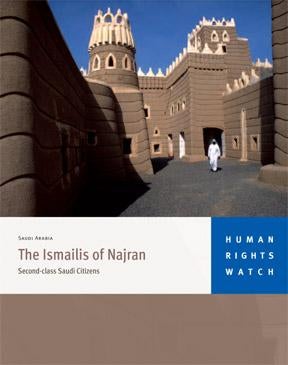
This 90-page report, based on more than 150 interviews and reviews of official documents, documents a pattern of discrimination against the Ismailis in the areas of government employment, education, religious freedom, and the justice system.
Under President Ahmadinejad's administration, Iran's human rights record has deteriorated markedly. While the international community's attention has focused on nuclear concerns, Iran has not been held accountable for its violations of international human rights law.
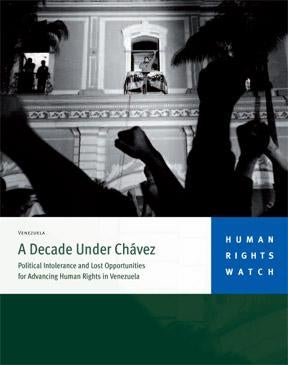
Political Intolerance and Lost Opportunities for Advancing Human Rights in Venezuela
This 230-page report examines the impact of the Chávez presidency on institutions that are essential for ensuring respect for human rights and the rule of law: the courts, the media, organized labor, and civil society.
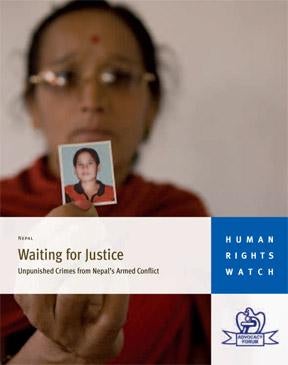
This 118-page report documents in detail 62 cases of killings, disappearances, and torture between 2002 and 2006, mostly perpetrated by security forces but including a couple of cases involving Maoists.