Impact

By investigating and exposing human rights abuses, we work to create a world where everyone is treated fairly and equitably, no matter their race, religion, or beliefs. We call for action so that people who disagree with their government can speak their opinions freely, so that children are protected, and refugees cared for. All of us, regardless of who we are, who we love, or the color of our skin, should be able to enjoy fully our human rights.

BROWSE ALL IMPACT ›

Change is sometimes immediate, sometimes incremental. We work on issues for years and know from experience how to transform deep-rooted problems. Here are examples of some of the recent impact we have made, together with our partners, in advancing human rights around the world.

How do we bring about change?

Investigate
Our researchers investigate human rights abuses, first by speaking with victims or witnesses. We corroborate their stories using a variety of sources, including government records, weapons’ fragments, satellite imagery, and the statements of accused perpetrators – be they members of governments, armed groups, or companies. We often do this work together with partner activists.

Expose
We share this information widely, in multiple languages, to help shape public debate. Our reports, videos, and social media posts show up hundreds of times daily in news media around the world, bringing both global and local attention to our rigorously fact-checked findings.

Change
Often in coalition with local groups, we bring our findings to officials who have the power to change things. For every issue we work on, we make specific, concrete policy recommendations that will bring people justice, prevent future abuses, and protect human rights.

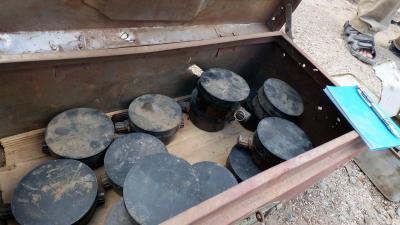
Our work has been instrumental in some foundational victories for human rights, including our work on banning landmines worldwide, for which we and our partners received the 1997 Nobel Peace Prize. Below are some examples of our historic impact.

All impact

  • May 16, 2018
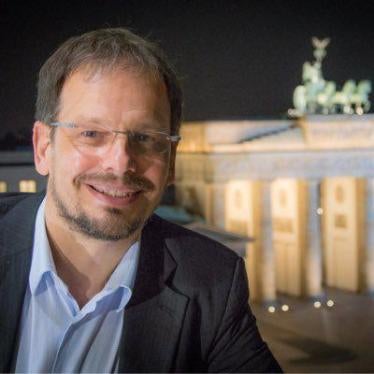
    Last week, leading German sports journalist Hajo Seppelt got an unpleasant surprise: Russia denied him an entry visa to report on the 2018 World Cup – even after FIFA, the powerful soccer governing body, had green-lighted his application. Seppelt works for ‎German public broadcaster ARD and has reported on the sports doping scandal in Russia.
    Journalist Hajo Seppelt.
  • April 26, 2018
    The response to the release this week of a major Human Rights Watch report on gender discrimination and sexual objectification in Chinese advertising has been surprisingly quick. Alibaba, Baidu, Huawei, and Tencent appear to have deleted many of the ads HRW identified and publicly pledged that they would commit to gender equality in hiring.
    China ads
  • April 22, 2018
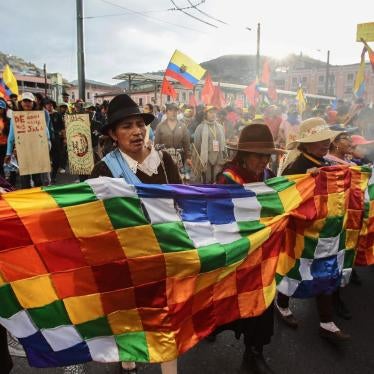
    Last month, Latin America and Caribbean countries adopted a landmark regional agreement on environmental rights – the first to offer specific protections for people who stand up in defense of their right to a healthy environment.
    Indigenous people arrive in Quito after marching for 10 days to protest new mining and water law initiatives, as well as a constitutional reform project that would have allowed for indefinite re-election of the president.
  • April 19, 2018
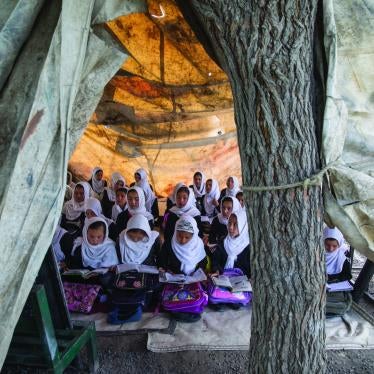
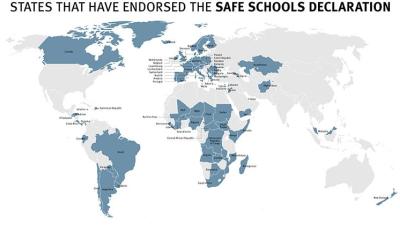
    Britain’s announcement today that it is backing the Safe Schools Declaration is as important as it is timely. The Declaration, in which governments pledge to not use schools for military purposes and to protect them during military operations, has now been signed by 74 countries, including the majority of NATO and EU member states.
    Main image for Afghanistan Report
  • April 12, 2018
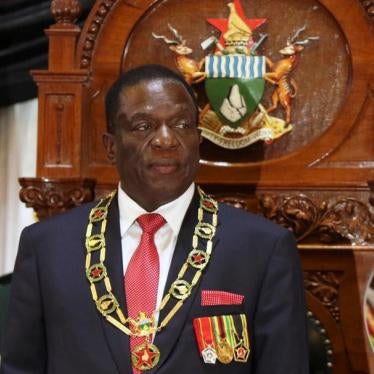
    When a bipartisan delegation of five US senators visited Zimbabwe last week, they pressed President Emmerson Mnangagwa and his foreign affairs ministers on free elections. In March, the US government slapped key Zimbabwean officials – including its president – with renewed targeted sanctions, calling for credible, free, and fair elections.
    Zimbabwean President Emmerson Mnangagwa looks on after delivering the State of the Nation Address (SONA) in Harare, Zimbabwe, December 20, 2017.
  • April 7, 2018
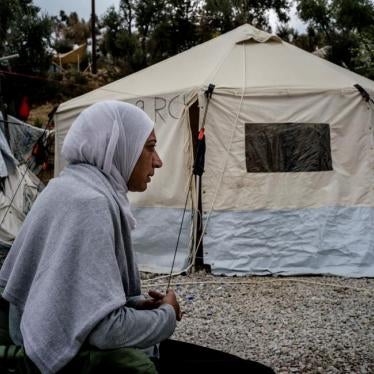
    Almost 9,000 asylum seekers trapped on Greece’s islands in deplorable surroundings have been transferred to mainland Greece after a campaign by 13 nongovernmental groups, including Human Rights Watch, pushed the government to move them to safer conditions on the mainland.
    201712eca_greece_refugees
  • February 8, 2018
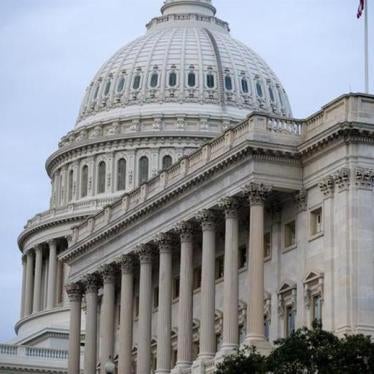
    In a unanimous vote yesterday, Republicans and Democrats in a key US Senate committee joined to support important new legislation to address the appalling deterioration in Burma’s human rights record over the past year, in particular rampant abuses against the Rohingya Muslim population.
    A view of the Capitol Building in Washington October 15, 2013.
  • January 18, 2018
    Qatar announced a range of significant human rights reforms during 2017 that if carried out would usher in some of the most progressive human rights standards in the gulf region, Human Rights Watch said today in its World Report 2018.
    People look at a model of Al Thumama stadium during an unveiling ceremony at Hamad International Airport in Doha, Qatar, August 24, 2017. © 2017 REUTERS/Naseem Zeitoon
  • December 19, 2017
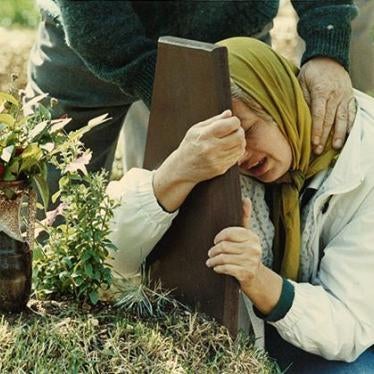
    Bullet holes, bloodstains and brain matter marked the walls of an empty barn, a crime scene processed to document the worst crime in Europe since the Second World War: the deliberate killings of more than 7,000 men and boys from the Bosnian town of Srebrenica.
    Photo 4A mother grieves over the grave of her 2nd son, and last child, who, along with his brother, were killed during the siege of Sarajevo.