Impact
By investigating and exposing human rights abuses, we work to create a world where everyone is treated fairly and equitably, no matter their race, religion, or beliefs. We call for action so that people who disagree with their government can speak their opinions freely, so that children are protected, and refugees cared for. All of us, regardless of who we are, who we love, or the color of our skin, should be able to enjoy fully our human rights.
BROWSE ALL IMPACT ›
Change is sometimes immediate, sometimes incremental. We work on issues for years and know from experience how to transform deep-rooted problems. Here are examples of some of the recent impact we have made, together with our partners, in advancing human rights around the world.
How do we bring about change?
Investigate
Our researchers investigate human rights abuses, first by speaking with victims or witnesses. We corroborate their stories using a variety of sources, including government records, weapons’ fragments, satellite imagery, and the statements of accused perpetrators – be they members of governments, armed groups, or companies. We often do this work together with partner activists.
Expose
We share this information widely, in multiple languages, to help shape public debate. Our reports, videos, and social media posts show up hundreds of times daily in news media around the world, bringing both global and local attention to our rigorously fact-checked findings.
Change
Often in coalition with local groups, we bring our findings to officials who have the power to change things. For every issue we work on, we make specific, concrete policy recommendations that will bring people justice, prevent future abuses, and protect human rights.
Our work has been instrumental in some foundational victories for human rights, including our work on banning landmines worldwide, for which we and our partners received the 1997 Nobel Peace Prize. Below are some examples of our historic impact.
All impact
-
March 29, 2017People living in Ghana’s mining communities may now be better protected from deadly mercury poisoning.
-
March 24, 2017
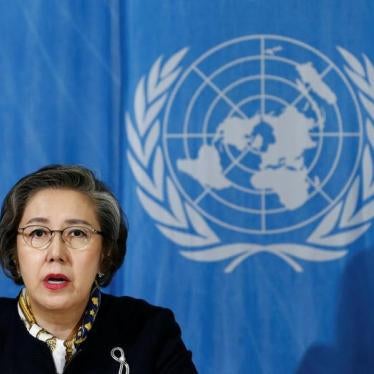
Burma: UN Takes Key Step for Justice
The United Nations Human Rights Council on March 24, 2017, took a key step toward preventing future abuses and bringing justice for victims in Burma by adopting a strong resolution condemning violations and making significant recommendations.
-
March 20, 2017
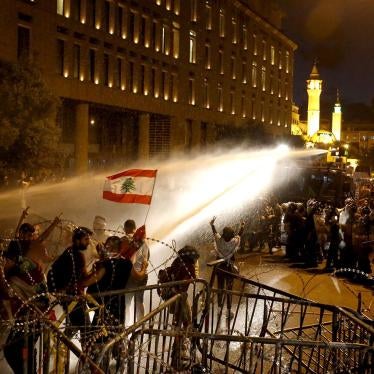
Lebanon Military Court Backs Down on Waste Protesters
In a positive step, Lebanon’s Military Tribunal today declared that it does not have jurisdiction to try 14 civilian protesters on the charges of rioting and destruction of property. Their cases will be referred to civilian courts instead.
-
February 24, 2017
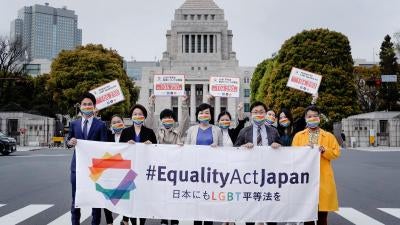
Japan Moves to Curb LGBT Bullying
The Ministry of Education, Culture, Sports, Science, and Technology (MEXT) has added LGBT-specific protections to its revised draft on the national bullying prevention policy.Last year, we interviewed lesbian, gay, bisexual, and transgender (LGBT) youth from across Japan and what we heard was harrowing: harassment and violence were common, prompting some bullied kids to drop out of school. Our report shed light on the plight of this often-silenced minority, and how even well-intentioned teachers were ill-equipped to respond to cases of LGBT bullying.That may be about to change.
-
February 23, 2017
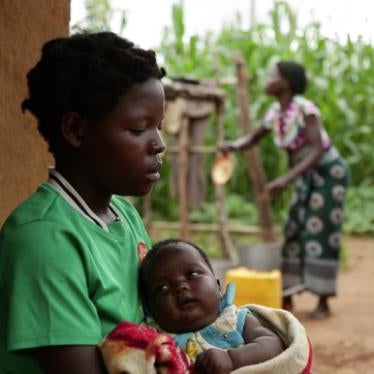
Malawi Amends Constitution to Remove Child Marriage Loophole
Malawi’s parliament took a historic step towards ending child marriage last week, when it removed from its Constitution a provision allowing children between the ages of 15 and 18 to marry with parental consent.
-
February 22, 2017
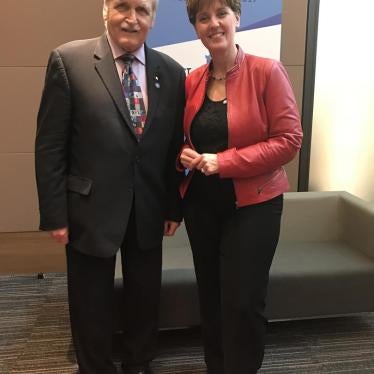
Canada Acts to Restrict Use of Schools by Military
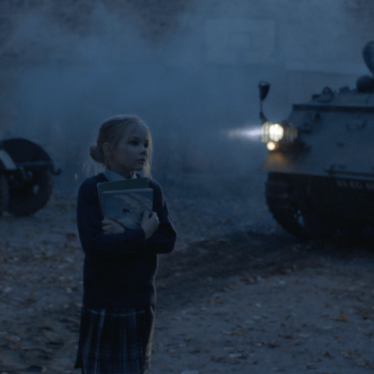
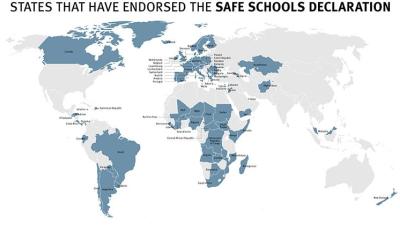
Canada has long been at the forefront of advocating for respect for humanity in war, and by signing the Safe Schools Declaration took an important step toward making the lives of children in conflict safer. It became the 59th country to sign the declaration.
-
February 21, 2017
France and Canada: 58th and 59th Countries to Endorse Safe Schools Declaration
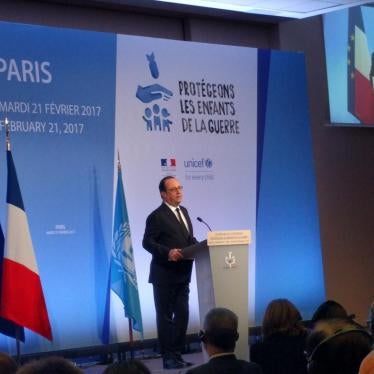
Impact! The French and Canadian governments become the latest countries to endorse the international political commitment known as the Safe Schools Declaration. The declaration lays out many common-sense steps that countries can take to help ensure that students and schools are better protected.
-
February 21, 2017
France: Positive Move to Protect Schools
French President François Hollande’s announcement on February 21, 2017, that France has endorsed the Safe Schools Declaration is a strong signal to the international community and strengthens the legal protection for children and their education, UNICEF France and Human Rights Watch said today. By endorsing the declaration, a commitment to protect schools in times of conflict, France recognizes the importance of educational institutions to a country’s future.
-
February 16, 2017
Armenia’s New Strategy to Help Those in Pain
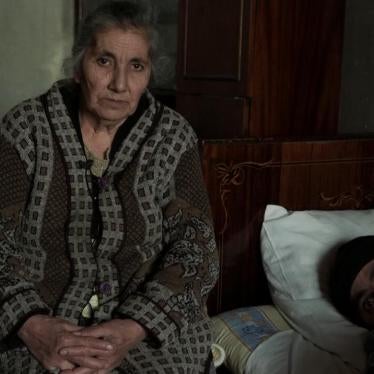
About 8,000 people die from cancer in Armenia every year, many spending their last days in excruciating pain. But Armenia is taking an important step towards ending their suffering.
-
December 9, 2016
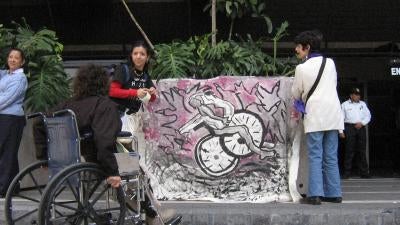
Uniting to End Violence Against Women with Disabilities
Around the world, simply being a woman means you’re more likely to be discriminated against and to experience violence than men. But women with disabilities are even more susceptible to abuse.