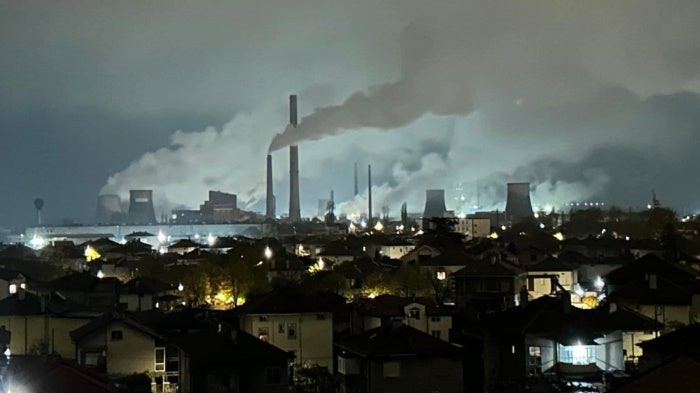
The 45-page report, “Like a Prisoner in My Home’: Coal Fueling Toxic Air in Bulgaria” analyzes the data revealing alarmingly high air pollution levels in Dimitrovgrad, a town in southern Bulgaria, which hosts Maritsa 3, one of the country’s oldest coal plants. Maritsa 3 emits hazardous air pollutants, which contribute to poor air quality that harms the health of local residents, particularly children.
Canada’s Obligation to End the First Nations Water Crisis
This report documents the impacts of serious and prolonged drinking water and sanitation problems for thousands of indigenous people – known as “First Nations” – living on reserves. It assesses why there are problems with safe water and sanitation on reserves, including a lack of binding water quality regulations, erratic and insufficient funding, faulty or sub-standard infrastructure, and degraded source waters. The federal government’s own audits over two decades show a pattern of overpromising and underperforming on water and sanitation for reserves.
A Call for a Binding Global Standard on Due Diligence
This report draws upon two decades of Human Rights Watch research on child labor and other labor rights abuses, environmental damage, and violations of the rights to health, land, food, and water, in the context of global supply chains.
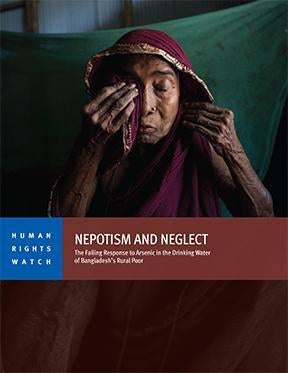
The Failing Response to Arsenic in the Drinking Water of Bangladesh’s Rural Poor
This report documents how Bangladesh’s health system largely ignores the impact of exposure to arsenic on people’s health. An estimated 43,000 people die each year from arsenic-related illness in Bangladesh, according to one study. The government identifies people with arsenic-related illnesses primarily via skin lesions, although the vast majority of those with arsenic-related illnesses don’t develop them. Those exposed are at significant risk of cancer, cardiovascular disease, and lung disease as a result, but many receive no health care at all.
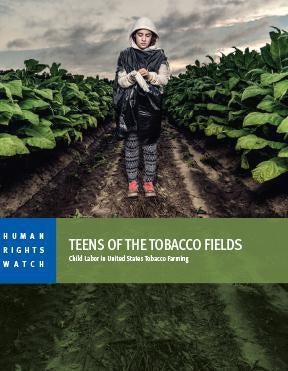
The 73-page report, “Teens of the Tobacco Fields: Child Labor in United States Tobacco Farming,” documents the harm caused to 16- and 17-year-olds who work long hours as hired laborers on US tobacco farms, exposed to nicotine, toxic pesticides, and extreme heat. Nearly all of the teenagers interviewed suffered symptoms consistent with acute nicotine poisoning – nausea, vomiting, headaches, or dizziness – while working on tobacco farms.
Climate Change, Environmental Threats, and Human Rights in Turkana County, Kenya
This 96-page report highlights the increased burden facing the government of Kenya to ensure access to water, food, health, and security in the Turkana region. The region also presents an example of how climate change, with rising temperatures and shifting precipitation patterns, disproportionately affects already vulnerable people, especially in countries with limited resources and fragile ecosystems.
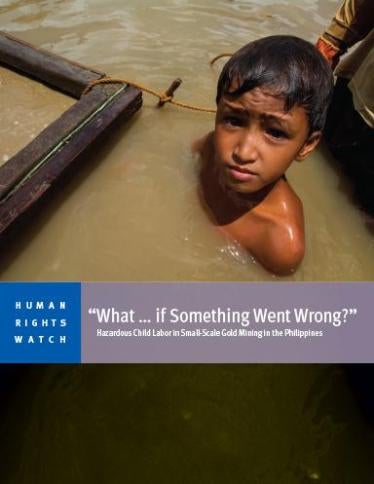
Hazardous Child Labor in Small-Scale Gold Mining in the Philippines
This 39-page report documents how thousands of Filipino children – some just 9 years old – work in illegal, small-scale gold mines, mostly financed by local businessmen. Children work in unstable 25-meter-deep pits or underwater along the coastal shore or in rivers, and process gold with mercury, a toxic metal. In September 2014, a 17-year-old boy suffocated in an underground mine because there was no machine providing oxygen. The Philippine government should act on its public commitment to end child labor in mining, Human Rights Watch said.
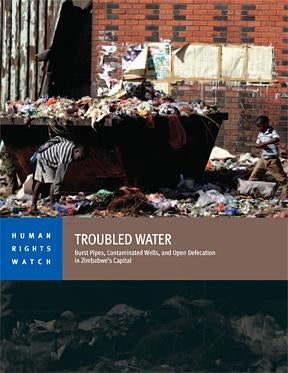
Burst Pipes, Contaminated Wells, and Open Defecation in Zimbabwe’s Capital
The 60-page report describes how residents have little access to potable water and sanitation services, and often resort to drinking water from shallow, unprotected wells that are contaminated with sewage, and to defecating outdoors. The conditions violate their right to water, sanitation, and health.
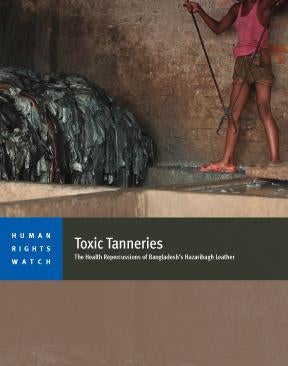
The Health Repercussions of Bangladesh’s Hazaribagh Leather
This report documents an occupational health and safety crisis among tannery workers, both men and women, including skin diseases and respiratory illnesses caused by exposure to tanning chemicals, and limb amputations caused by accidents in dangerous tannery machinery.
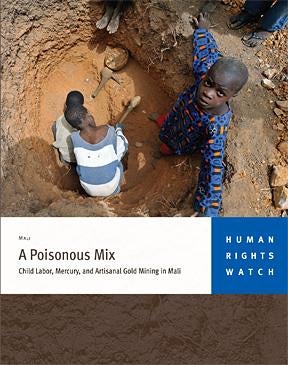
Child Labor, Mercury, and Artisanal Gold Mining in Mali
This 108-page report reveals that children as young as six dig mining shafts, work underground, pull up heavy weights of ore, and carry, crush, and pan ore. Many children also work with mercury, a toxic substance, to separate the gold from the ore. Mercury attacks the central nervous system and is particularly harmful to children.
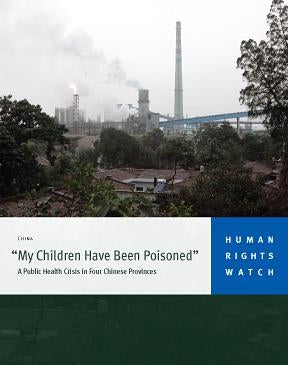
This 75-page report draws on research in heavily lead-contaminated villages in Henan, Yunnan, Shaanxi, and Hunan provinces. The report documents how, despite increasing regulation and sporadic enforcement targeting polluting factories, local authorities are ignoring the urgent and long-term health consequences of a generation of children continuously exposed to life-threatening levels of lead.
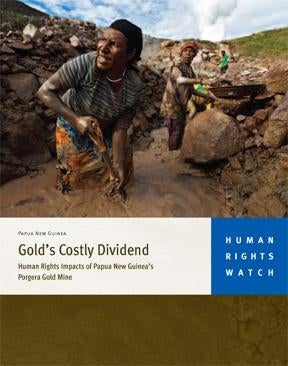
Human Rights Impacts of Papua New Guinea’s Porgera Gold Mine
This report identifies systemic failures on the part of Toronto-based Barrick Gold that kept the company from recognizing the risk of abuses, and responding to allegations that abuses had occurred.
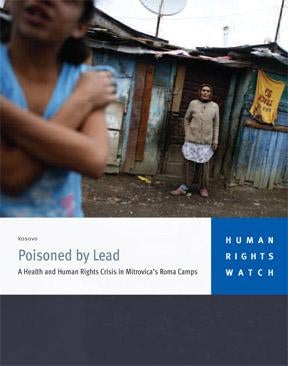
A Health and Human Rights Crisis in Mitrovica’s Roma Camps
This 68-page report tells the story of a decade of failure by the UN and others to provide adequate housing and medical treatment for the Roma, and the devastating consequences for the health of those in the camps.