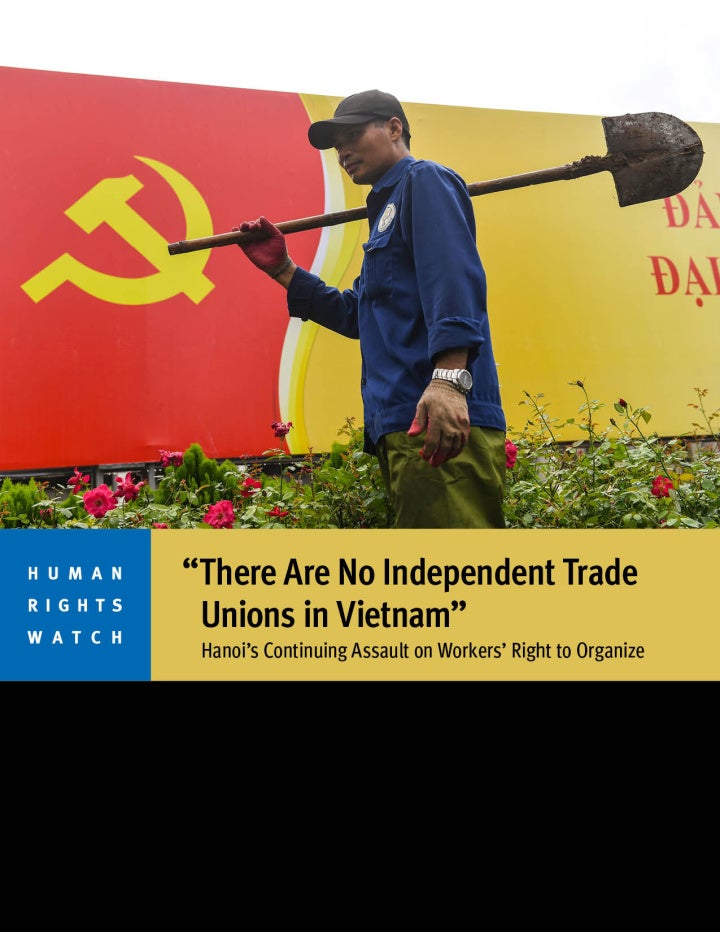
Hanoi’s Continuing Assault on Workers’ Right to Organize
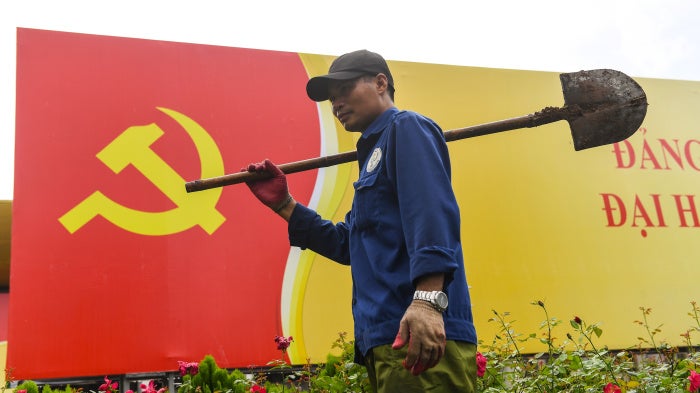
The 49-page report, “There Are No Independent Trade Unions in Vietnam: Hanoi’s Continuing Assault on Workers’ Right to Organize,” documents the Vietnamese governments’ continuing useof vague, overbroad criminal laws to suppress the activities of human rights and labor rights defenders, while maintaining an atmosphere of repression to thwart independent labor organizing. The government has issued decrees and articles in state-run media that reaffirm that all labor organizations in Vietnam are under the government’s authority, and portray independent trade unions as dangerous, anti-state entities.
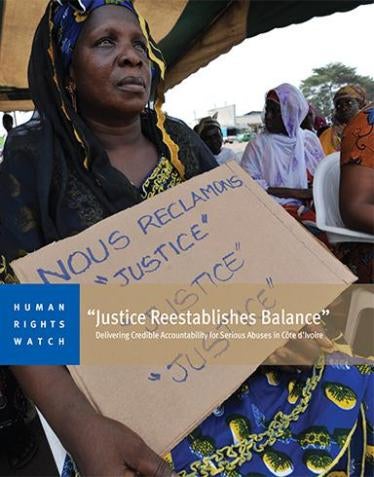
Delivering Credible Accountability for Serious Abuses in Côte d’Ivoire
This report outlines critical areas requiring additional government support so that Ivorian courts can provide credible justice. It is based on more than 70 interviews with government officials, members of the judiciary, representatives of nongovernmental groups, international criminal justice experts, UN officials, diplomats, and donor officials.
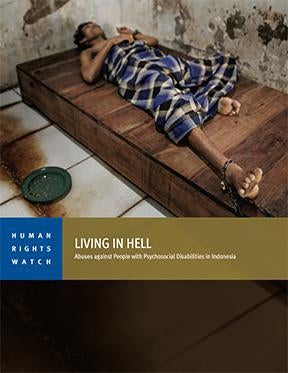
Abuses against People with Psychosocial Disabilities in Indonesia
This report examines how people with mental health conditions often end up chained or locked up in overcrowded and unsanitary institutions – without their consent – due to stigma and the absence of adequate community-based support services or mental health care. In institutions, they face physical and sexual violence; involuntary treatment, including electroshock therapy; seclusion; restraint; and forced contraception.
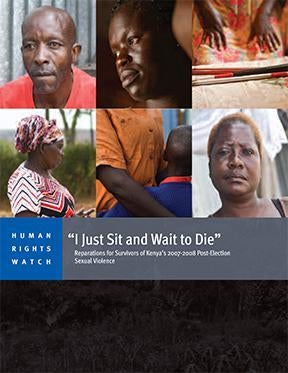
Reparations for Survivors of Kenya’s 2007-2008 Post-Election Sexual Violence
This report is based on interviews with 163 women and girls, nine male survivors, and witnesses of rape or other sexual violence in the post-election period. Human Rights Watch found that most of the survivors interviewed were still in dire need of medical attention, leaving them unable to work or pursue education, adding to their poverty and hunger. The government has recently promised reparations, which should be designed in consultation with survivors of sexual violence to ensure their full inclusion in all programs.
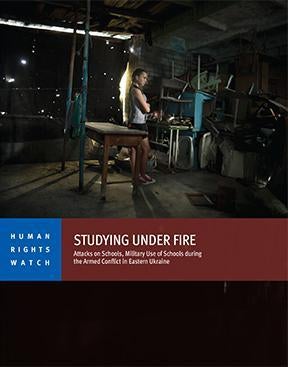
Attacks on Schools, Military Use of Schools During the Armed Conflict in Eastern Ukraine
This report documents how both Ukrainian government forces and Russia-backed militants have carried out indiscriminate or deliberate attacks on schools. Both sides have used schools for military purposes, deploying forces in and near schools, which has turned schools into legitimate military targets. The resulting destruction has forced many children out of school and many schools to stop operating or to operate under overcrowded and difficult conditions, Human Rights Watch found.
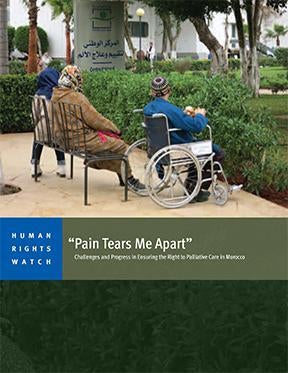
Challenges and Progress in Ensuring the Right to Palliative Care in Morocco
This report estimates that each year, more than 62,000 Moroccans need palliative care, which focuses on improving the quality of life of people with life-limiting illnesses by treating pain and other symptoms. While the Moroccan government has taken a number of important steps to improve end-of-life care, Human Rights Watch found only two public hospitals, in Casablanca and Rabat, have specific units that offer this essential health service, and only to cancer patients. Patients suffering severe pain outside of these cities must either undergo difficult travel to these centers or do without effective pain medicine.
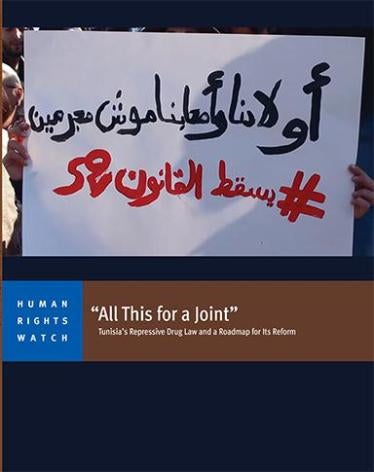
Tunisia’s Repressive Drug Law and a Roadmap for Its Reform
This report documents the human rights abuses and social toll that stem from enforcement of the country’s draconian drug law, which sends thousands of Tunisians to prison each year merely for consuming or possessing small quantities of cannabis for personal use.
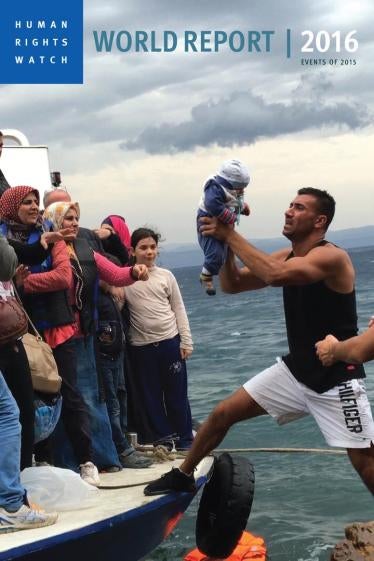
World Report 2016 summarizes key human rights issues in more than 90 countries and territories worldwide. It reflects investigative work that Human Rights Watch staff undertook in 2015, usually in close partnership with human rights activists in the country in focus.
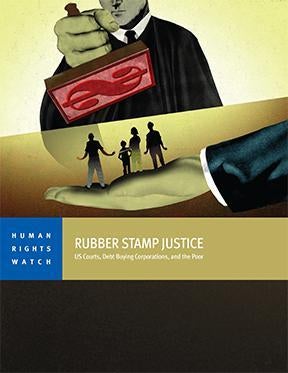
This report scrutinizes how courts approach hundreds of thousands lawsuits brought every year by debt buyers – firms that specialize in buying up bad debts which they then try to collect for themselves. These suits have often been marred by patterns of apparent error, legal deficiency, and alleged illegality.
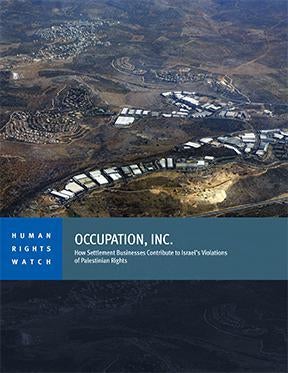
How Settlement Businesses Contribute to Israel’s Violations of Palestinian Rights
This report documents how settlement businesses facilitate the growth and operations of settlements. These businesses depend on and contribute to the Israeli authorities’ unlawful confiscation of Palestinian land and other resources. They also benefit from these violations, as well as Israel’s discriminatory policies that provide privileges to settlements at the expense of Palestinians, such as access to land and water, government subsidies, and permits for developing land.
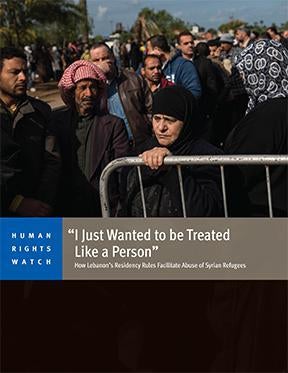
How Lebanon’s Residency Rules Facilitate Abuse of Syrian Refugees
This report is based on interviews with more than 60 Syrian refugees, lawyers, and humanitarian workers assisting refugees in Lebanon. Human Rights Watch found that residency regulations adopted in January 2015 have resulted in most Syrians losing their legal status. Only two out of the 40 refugees interviewed said they had been able to renew their residencies. Lebanese authorities should immediately revise the renewal regulations, including by waiving renewal fees and ending requirements for many refugees to find a sponsor.
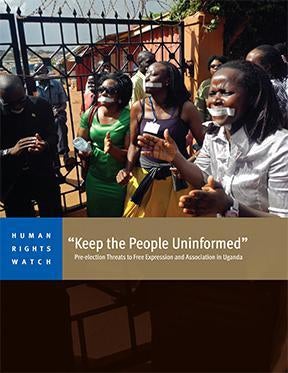
Pre-election Threats to Free Expression and Association in Uganda
This report documents how some journalists and activists are facing increased threats as the elections in Uganda loom. While print journalists working in English have some relative freedom, radio journalists – particularly those working in local languages whose listeners are based in rural areas – face harassment and threats from an array of government and party officials. These include the police; resident district commissioners, who represent the president; internal security officials; and the Ugandan Communications Commission, the government broadcasting regulator.
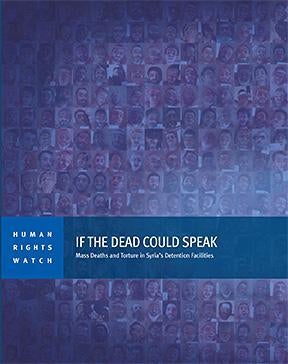
Mass Deaths and Torture in Syria’s Detention Facilities
This report lays out new evidence regarding the authenticity of what are known as the Caesar photographs, identifies a number of the victims, and highlights some of the key causes of death. Human Rights Watch located and interviewed 33 relatives and friends of 27 victims whose cases researchers verified; 37 former detainees who saw people die in detention; and four defectors who worked in Syrian government detention centers or the military hospitals where most of the photographs were taken. Using satellite imagery and geolocation techniques, Human Rights Watch confirmed that some of the photographs of the dead were taken in the courtyard of the 601 Military Hospital in Mezze.
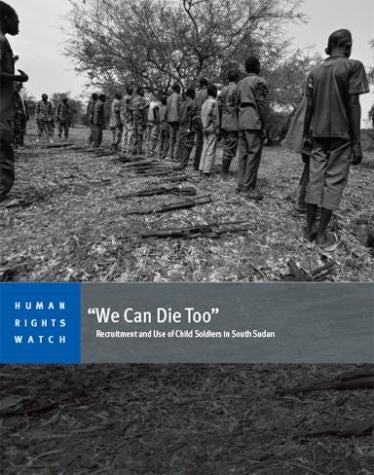
Recruitment and Use of Child Soldiers in South Sudan
This 65-page report names more than 15 commanders and officials from both the government Sudan People’s Liberation Army (SPLA) and the rebel SPLA-in Opposition, and their allies who have used child soldiers. The report is based on interviews with 101 child soldiers who were either forcibly recruited or joined forces to protect themselves and their communities. They said they lived for months without enough food, far away from family, and were thrown into terrifying gun battles in which they were injured and saw friends killed. Children also expressed deep regret that they had lost time they should have spent in school.
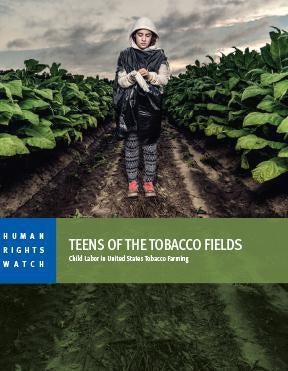
The 73-page report, “Teens of the Tobacco Fields: Child Labor in United States Tobacco Farming,” documents the harm caused to 16- and 17-year-olds who work long hours as hired laborers on US tobacco farms, exposed to nicotine, toxic pesticides, and extreme heat. Nearly all of the teenagers interviewed suffered symptoms consistent with acute nicotine poisoning – nausea, vomiting, headaches, or dizziness – while working on tobacco farms.
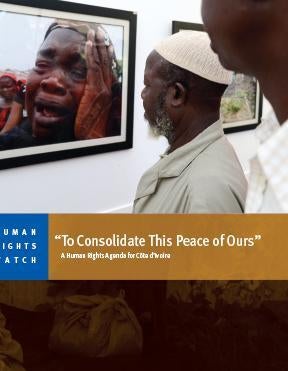
The 77-page report, “‘To Consolidate This Peace of Ours’: A Human Rights Agenda for Côte d’Ivoire,” assesses the government’s progress in strengthening the rule of law and identifies the key human rights priorities for the next five years. Ouattara’s government has made progress in addressing the consequences of the devastating 2010-2011 post-election crisis. But it should do more to fight impunity, strengthen the rule of law, complete security sector reforms, and find a lasting and rights-based solution to the land disputes that are frequently at the root of local-level violence.