Summary
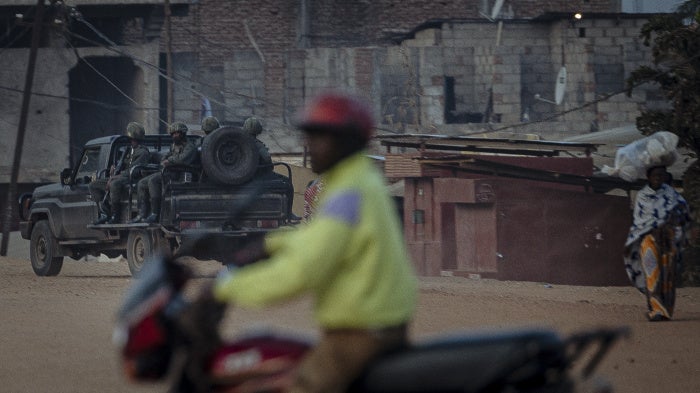
The M23 armed group and the Rwanda Defence Force (RDF) committed numerous serious violations of international humanitarian law, many amounting to war crimes, during their capture and occupation of the city of Uvira in South Kivu province, eastern Democratic Republic of Congo, from December 10, 2025, to January 17, 2026. Uvira fell to the M23 and Rwandan forces just days after the United States-brokered peace agreement between Rwanda and Congo; the agreement may have been a catalyst for these forces’ sudden withdrawal a month later.
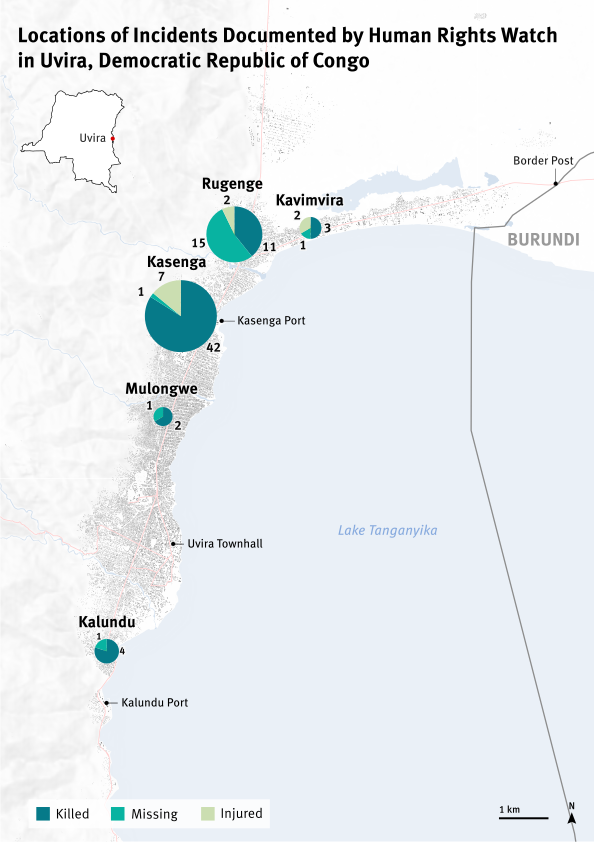
Human Rights Watch’s findings are based on the first field research in Uvira since the M23 withdrew. Human Rights Watch in-person and remotely interviewed over 120 survivors and witnesses of abuses, relatives of victims, and various sources regarding unlawful killings, summary executions, rape and other sexual violence, abductions, and forced recruitment of civilians during the occupation.
On December 10, 2025, M23 and Rwandan forces entered Uvira following days of fighting in South Kivu that displaced tens of thousands of people. Witnesses said that hostilities in the city had largely ceased by the time these forces took control, indicating that many of the civilians who were killed lost their lives after the battle was over. Congolese army and allied militias appear to have largely fled Uvira prior to the arrival of M23 and Rwandan forces.
M23 and Rwandan forces entering neighborhoods shot civilian men and boys in the streets or inside homes, often after accusing them of belonging to local pro-government militias known as the Wazalendo (meaning “patriots” in Kiswahili). In multiple incidents that Human Rights Watch investigated, M23 fighters and Rwandan soldiers carried out summary executions during door-to-door searches or after abducting people from their homes. Many of those taken remain missing. Witnesses described M23 and Rwandan forces opening fire on groups of civilians fleeing toward nearby Burundi or the hills above the city.
Residents said that during the M23 and Rwandan forces’ occupation of Uvira, they conducted systematic searches in several areas, particularly in the Kasenga and Rugenge neighborhoods. Human Rights Watch documented 62 cases of summary executions and unlawful killings. Of these cases, 54 of the victims were men, 2 were women, 5 were boys, and one was a girl. Witnesses typically described the assailants as claiming a connection between those targeted and the Wazalendo militias, strongly suggesting an organized and coordinated effort by the Rwandan military and M23 to identify and detain or kill men and boys thought to be militia members. Human Rights Watch considers these cases to represent only a fraction of the total number of civilians summarily killed during the city’s occupation.
Human Rights Watch also documented rape and other sexual violence committed by M23 fighters and Rwandan soldiers against women and girls. Survivors described being raped under threat of death and at gunpoint in their homes or in fields while searching for food. Attackers assaulted or killed family members who attempted to intervene. The lack of functioning healthcare services in Uvira during the occupation left survivors without access to essential care, including post-exposure prophylaxis (PEP) to prevent HIV infection.
Finally, the M23 abducted a number of men and boys, often near military bases in Uvira, in which there was no claim that the individuals were connected to the Wazalendo. Human Rights Watch believes that they were likely forcibly recruited into the M23. They remain forcibly disappeared.
Under international law, Rwanda’s overall control of the M23 armed group and effective control over areas of North and South Kivu provinces, including Uvira, made Rwanda an occupying power. The systematic nature of many of the abuses, notably the summary executions of suspected Wazalendo militia members during house-to-house searches, points to the involvement of M23 commanders and Rwandan military officials and possible legal liability for war crimes. It also underscores the urgent need for credible, independent investigations and accountability for grave abuses. Unless there is a full accounting of the crimes committed and meaningful action by Congolese and Rwandan authorities with international support, the abuses that occurred in Uvira are likely to continue elsewhere, leaving civilians in eastern Congo exposed to further grave harm.
Recommendations
To the Government of Rwanda:
Abide by international humanitarian law in all military operations in Democratic Republic of Congo.
Cease all forms of support to the M23 facilitating or otherwise materially contributing to its military operations in Congo.
Suspend members of the Rwandan forces implicated in violations of international humanitarian law in eastern Congo and appropriately discipline or prosecute in fair and transparent trials Rwanda Defence Force (RDF) personnel, including commanders, responsible for abuses.
Conduct prompt, transparent, and impartial investigations into all alleged human rights abuses and violations of international humanitarian law committed by M23 members and prosecute them in fair and transparent trials.
Provide prompt and adequate reparations to victims of abuses by Rwandan forces and the M23 in Congo and their families.
To the M23 and Rwandan Military Forces:
Immediately and safely release civilians and others wrongfully detained, including those forcibly recruited in Congo. Ensure all those in custody are treated humanely in accordance with international human rights and humanitarian law.
Allow investigations by regional and international bodies and independent human rights monitors into the human rights situation in areas under M23 and Rwandan control.
To the Government of the Democratic Republic of Congo:
Abide by international humanitarian law in all military operations in eastern Congo.
Conduct prompt, transparent, and impartial investigations into all alleged violations of human rights and international humanitarian law committed by all armed forces and armed groups involved in the conflict in North and South Kivu, and ensure those responsible are held accountable in fair and transparent trials.
Given the failure of successive Congolese governments to fairly prosecute past abuses by Congolese military personnel and others, establish a specialized mixed chambers or similar court in the national judicial system, with Congolese and international military and civilian personnel, to adjudicate past and ongoing serious crimes.
Provide prompt and adequate reparations to victims, their families, and survivors of abuses by Congolese armed forces and allied armed groups, including the Wazalendo.
Allow investigations by regional and international bodies and independent human rights monitors into the human rights situation in areas in eastern Congo under Congolese control. Instruct military and administrative authorities to facilitate access, protect witnesses, and preserve evidence.
Seek assistance from the United Nations, the African Union, partner countries, and nongovernmental organizations to conduct proper exhumations of mass or common graves in Uvira, and return remains to families.
Cease all forms of material support to the Wazalendo and other abusive armed groups allied with Congolese forces.
To the African Union:
Publicly call for an independent international investigation into abuses in Uvira and elsewhere in eastern Congo.
Mandate the African Commission on Human and Peoples’ Rights to investigate and report on violations in eastern Congo.
Press AU member states to cooperate with accountability mechanisms, including the International Criminal Court (ICC).
To Other Governments:
Support the Independent Commission of Inquiry on the Human Rights Situation in the South and North Kivu Provinces, mandated by the United Nations Human Rights Council in 2025, so that it is able to fulfill its mandate.
Sanction M23 and Rwandan commanders and other individuals credibly implicated in serious violations committed in Uvira, including through targeted sanctions regimes.
Strengthen support for the ICC and its investigations into serious international crimes committed in eastern Congo, as well as for domestic efforts to investigate, prosecute, and provide reparations for past and ongoing serious violations by all parties to the conflict in eastern Congo.
Support the establishment of specialized mixed chambers, or a similar court embedded in the Congolese judicial system, with Congolese and international military and civilian personnel, to prosecute past and ongoing serious crimes in Congo.
Review military and security assistance and cooperation with Rwanda to ensure such support is not fueling serious violations in eastern Congo.
To the Office of the Prosecutor of the International Criminal Court:
Include alleged serious international crimes committed in Uvira with ongoing investigations into the situation in eastern Congo.
Methodology
This report is based on over 120 in-person and remote interviews, including 80 interviews carried out in March 2026 by Human Rights Watch researchers with survivors and witnesses of abuses and their relatives in Uvira, South Kivu province, eastern Democratic Republic of Congo. Researchers also interviewed Burundian and Congolese government officials and United Nations, military, intelligence, media, and diplomatic sources about the occupation of Uvira in December 2025 and January 2026 by the M23 and Rwandan armed forces.
Human Rights Watch researchers informed each interviewee about the purpose of the interview, its voluntary and confidential nature, and how the information would be used. Researchers took measures to access and meet with victims and witnesses discreetly and in confidential settings. They informed all interviewees that they could stop or pause the interview at any time and could decline to answer questions or discuss specific topics. Human Rights Watch did not pay interviewees but covered their transportation costs as needed.
Information from the interviews was corroborated by several independent sources. Human Rights Watch visited multiple sites of killings and graves of individuals whose cases were documented in this report in the Uvira neighborhoods of Kasenga, Kalundu, and Rugenge. Unless otherwise specified, all the abuses documented in this report were based on at least three primary and secondary sources.
Human Rights Watch interviewed 11 people who had been physically injured by M23 fighters or Rwandan soldiers who showed scars consistent with the injuries they reported. In three of these cases, medical documentation was provided to attest to the date and type of injury.
Interviews with survivors of sexual violence were carried out in the presence of a trusted community worker. Information about sexual violence in M23-controlled areas was confirmed through other independent sources.
Names of interviewees have been withheld to protect them from possible reprisals.
On April 13, 2026, Human Rights Watch wrote to Rwanda’s defense minister, Juvenal Marizamunda, to share its preliminary findings and request a meeting. On April 14, Human Rights Watch sent a letter to the head of the M23, Bertrand Bisimwa, and requested an in-person or virtual meeting to discuss the report’s findings. Neither responded.
Background
On December 10, 2025, amid escalating hostilities in eastern Democratic Republic of Congo, the M23 armed group and Rwandan military forces captured Uvira, a city of nearly 800,000 people in South Kivu province.
During the first week of December, prior to the offensive on Uvira, the M23 and Rwandan forces had captured several towns along the RN5, the route nationale (national road) connecting Uvira and Bukavu, South Kivu’s capital, including Luvungi, Mutarule, and Sange.
Uvira’s capture occurred against a backdrop of documented abuses by the major parties to the eastern Congo conflict. Earlier in 2025, Rwanda-backed M23 forces, after seizing control of Goma, the North Kivu provincial capital, and Bukavu, were implicated in widespread violations, including summary executions, sexual violence, forced recruitment, forced labor, and unlawful deportations of civilians to Rwanda.[1]
The Congolese army and allied militias known as the Wazalendo (meaning “patriots” in Kiswahili) also committed serious abuses throughout 2025, including killings, sexual violence, and looting.[2] In Uvira, Wazalendo fighters harassed the population, fired small arms and artillery, and set up roadblocks.[3] Members of the Banyamulenge community, a Congolese Tutsi minority in South Kivu, in particular endured harassment, abduction, and restrictions on access to basic services from Congolese armed groups.[4]
In the weeks leading up to the offensive against Uvira, several thousand Rwandan troops, including special forces, were deployed across the Rwandan border with eastern Congo.[5]
The coordinated attack on Uvira took place shortly after the signing of the Washington Accords for Peace and Prosperity on December 4, 2025, a United States-brokered agreement between Congo and Rwanda intended to address insecurity in eastern Congo.[6]
A week of intense fighting pushed back Congolese military forces and their allies. At least 74 civilians were killed and 83 wounded during the fighting, while approximately 200,000 people fled the area, including more than 30,000 who sought refuge in neighboring Burundi.[7] The already tenuous humanitarian situation in Uvira and surrounding areas sharply deteriorated.[8]
For more than a month, the M23 and Rwandan military occupied Uvira, committing grave abuses that are the subject of this report.
On January 17, 2026, M23 forces abruptly withdrew from Uvira. This prompted fears of retaliatory attacks by Wazalendo against Banyamulenge civilians.[9] Many Banyamulenge fled the city alongside retreating M23 forces.[10] Following the withdrawal, widespread looting and violence were reported across Uvira, with homes, businesses, religious sites, and public infrastructure targeted.[11]
On March 2, the US government imposed sanctions on the Rwandan army and its commanders for their role in the capture and occupation of Uvira.[12]
Abuses During the Occupation of Uvira
Residents of Uvira, local officials, and civil society representatives described the capture of Uvira and ensuing grave abuses in the city. They said that fighting between the M23 and Rwandan forces against the Congolese army and Wazalendo militias began north of the city on December 9, 2025, and that by 8 a.m. on December 10, active combat between these forces had largely ceased. The Congolese army and Wazalendo militiamen largely fled the city.[13]
Little combat was reported within Uvira itself. One woman said that fleeing Wazalendo were warning residents to flee as well: “The Wazalendo themselves ran by saying ‘You need to run! The M23 are coming!”[14] Other residents said they watched trucks from the Congolese army leave the city toward the south in the early morning hours of December 10.[15]
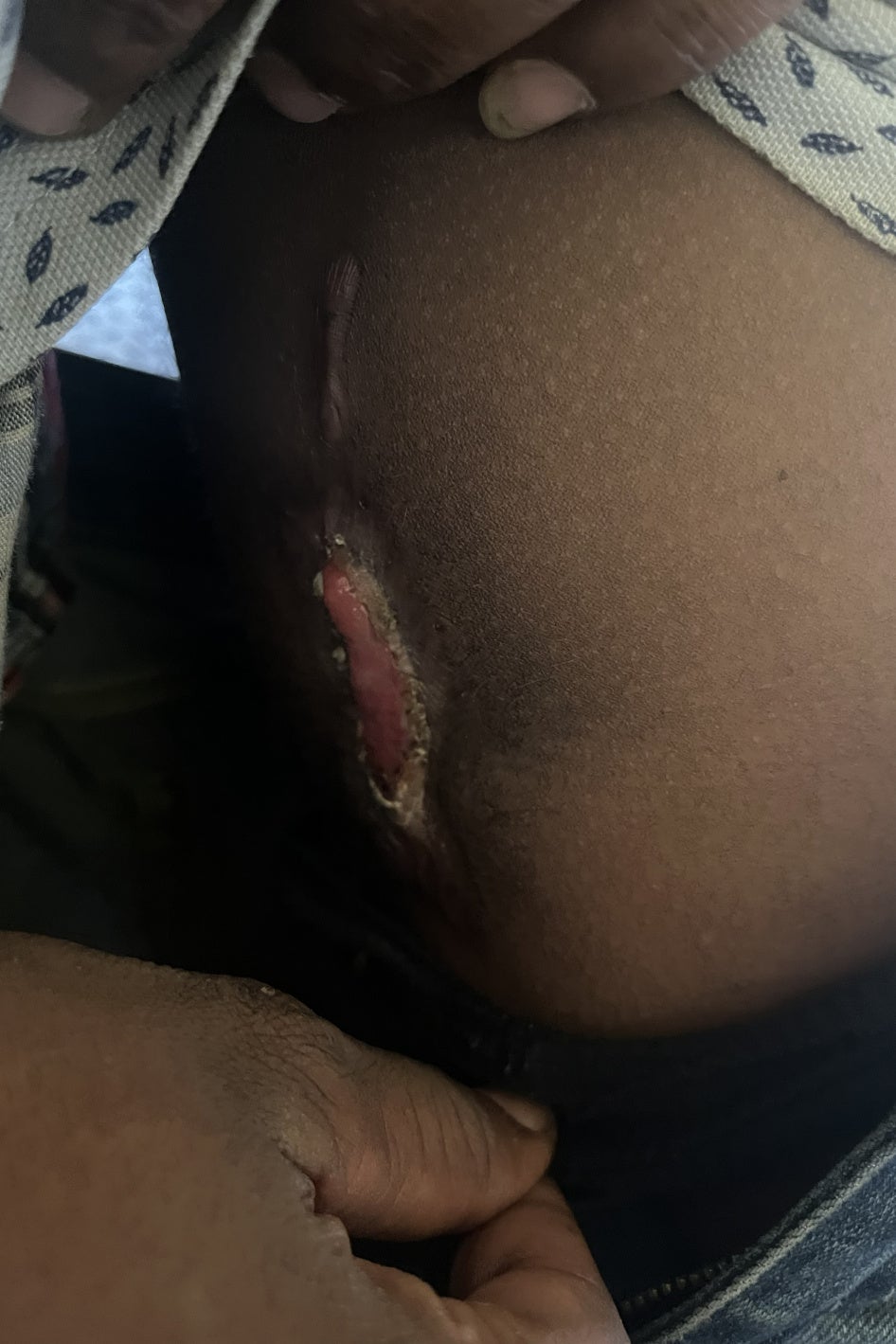
That day, M23 and Rwandan forces entered the city and began shooting indiscriminately at men and boys. A 28-year-old phone vendor said he was closing up his kiosk when M23 fighters appeared. “They just started shooting at everyone,” he said. He explained that before he could hide or get to safety, he was shot in the arm.[16]
Residents identified Rwandan forces by their uniforms, their spoken language—Kinyarwanda—, or their accent. Some could identify the uniforms worn by Rwandan special forces.[17] Human Rights Watch independently confirmed through interviews with diplomatic and military sources the presence of Rwandan forces in the city throughout the occupation.[18] However, most Rwandan forces left Uvira after securing the city, leaving behind only a few elements.[19]
Human Rights Watch visited the locations of three mass or common graves where individuals killed during the occupation were buried. These included a former heliport of MONUSCO (Mission de l’Organisation des Nations Unies pour la stabilisation en République démocratique du Congo), the United Nations peacekeeping mission in Congo, in the neighborhood of Kavimvira, and two graves uphill in Kasenga neighborhood. Altogether, the graves in Kasenga contained about 20 bodies, according to residents present during burials.[20]
Legal Framework
The hostilities between Congolese and Rwandan armed forces and other armed forces and non-state armed groups, including the M23, are an armed conflict under international humanitarian law, also known as the laws of war.[21]
The Geneva Conventions of 1949, notably Common Article 3, and customary laws of war prohibit summary executions, inhumane treatment, sexual violence, enforced disappearances, and unlawful recruitment, among other abuses.[22]
Serious violations of the laws of war committed with criminal intent, that is deliberately or recklessly, are war crimes. Individuals who order, commit, or assist war crimes, or are liable as a matter of command responsibility, should be appropriately and fairly prosecuted.[23] The Democratic Republic of Congo is a party to the Rome Statute of the International Criminal Court, which prohibits these offenses as war crimes and crimes against humanity.[24]
Since 2022, Rwanda has provided recruitment, training, and military support to the M23.[25] Rwanda deployed thousands of troops in eastern Congo during the M23’s offensive on Goma and Bukavu in January and February 2025 and again in December 2025 for its offensive on Uvira. Its forces’ effective control over much of North and South Kivu indicates that Rwanda is an occupying power under the Fourth Geneva Convention.[26] Rwanda’s overall control of the M23 makes it generally responsible for the actions of the M23 as well as those of its own forces, and Rwandan officials could be found complicit in M23 war crimes.
Unlawful Killings
While taking control of Uvira, the M23 and Rwandan forces repeatedly fired their weapons at civilian men and boys, killing and wounding them.[27]
On December 10, at the city’s port in the Kasenga neighborhood on the shores of Lake Tanganyika, M23 fighters and Rwandan soldiers climbed to the top of buildings and opened fire on the fishermen below. One fisherman who was shot in the leg said he saw three people killed. “We didn’t know that a war was about to start,” he said. “We were used to seeing a lot of men with guns [because the Wazalendo had previously been in the city], but then these fighters started shooting at us.” [28] Others confirmed the account and provided photographs of one of the bodies.[29]
At the port, the M23 and Rwandan military personnel broke down the door of a restaurant and killed three men and two boys who were hiding. Human Rights Watch verified a video and six photographs taken just after the killings showing five bodies in the restaurant.[30] Researchers conducted an on-site verification at the restaurant and photographed bullet marks on the walls and furniture.[31]
A person hiding in an adjacent room said:
When the shooting got closer, [name withheld] said: "They may throw a bomb and kill all of us, so let's split up." We were all scared of stray bullets. The door to the restaurant was forced open. There was yelling in Kiswahili and Kinyarwanda [Rwanda’s national language]. There were five people in the room. I heard screaming and I heard [name withheld] yell "We are civilians!” But there was just a volley of bullets. The Rwandans and M23 took all the phones.[32]
After entering Uvira on December 10, M23 and Rwandan forces also unlawfully shot at civilians who were attempting to flee to safety. Human Rights Watch documented eleven cases of people fired upon—including nine who were killed—while fleeing to the Burundi border just three to five kilometers north of the city, or to the hills above Uvira.[33] Witnesses described chaos and fear, with families caught in the open, unable to find safe passage out of the city.[34]
One man described the deaths of four members of his family as they fled toward Burundi:
The FARDC [Congolese army] had already left [the city], we were on our own and the Rwandans and M23 were killing people that were fleeing to Burundi.… We arrived at the port of Kavimvira but there was a lot of shooting. We made it to the roundabout [on the main road], but from there it was not clear what to do. We argued about which way to go, toward the lake or on the road. Suddenly, the M23 saw our group and shot at us. It was chaos. We had small bags that we threw off and we ran. I wasn't hit so I just ran to the lake. I saw my brother, his wife, and two of his children fall.[35]
He later learned they had died.[36]
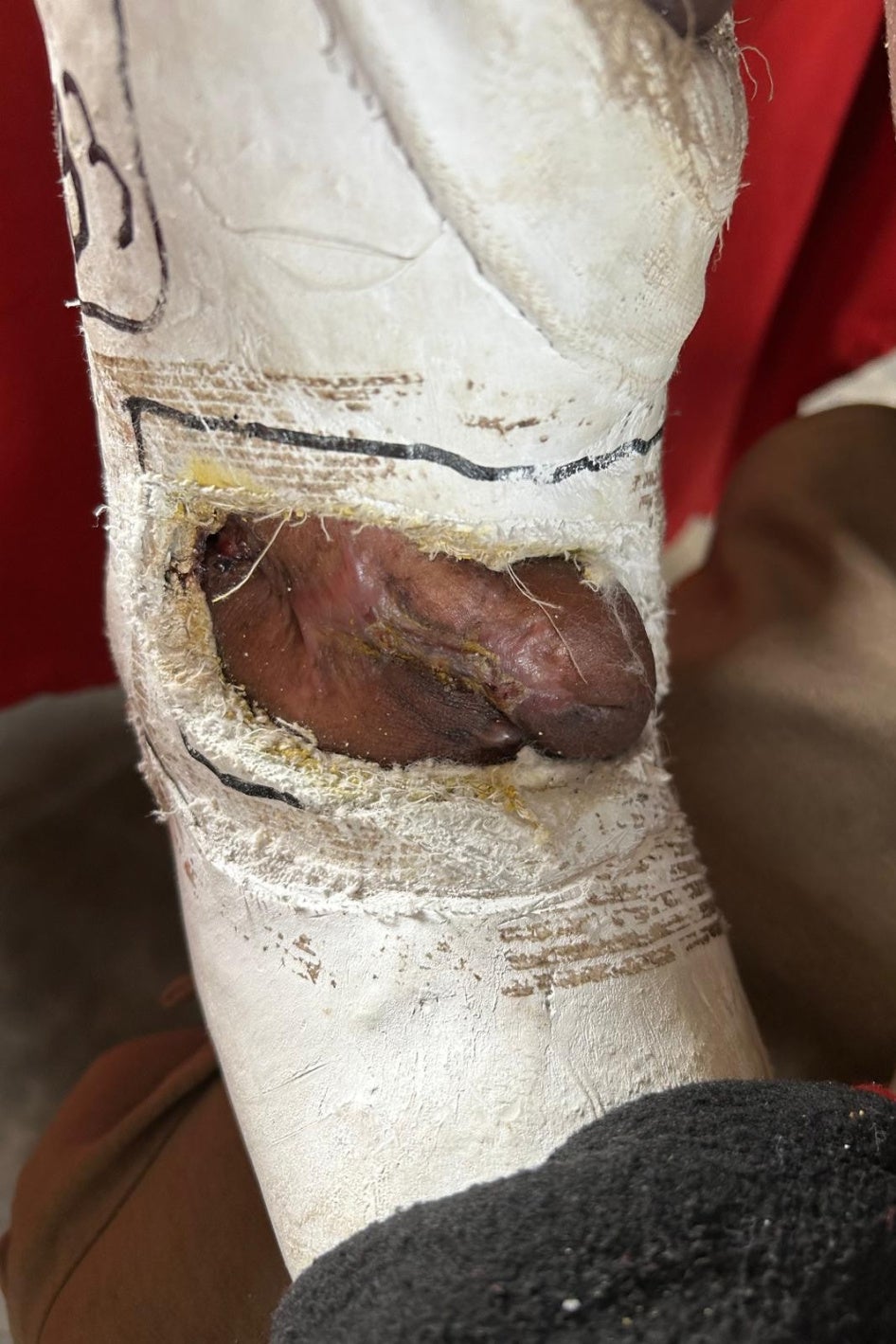
A 26-year-old man said that he and two friends tried to flee to Burundi. “By 1 p.m. there were messages that men were being killed and we decided that no matter what, we would go to Burundi,” he said. “We went down into town and there we came across the M23.… [T]hey started to shoot at us. One [of my friends] was shot in the throat, the other was shot in the head.”[37] The man was shot in the elbow, but he managed to escape.[38]
M23 fighters also killed a 57-year-old man who was trying to flee with his two young sons.[39] They were trying to cross a bridge in the Kavimvira neighborhood to take the road to Burundi when the M23 spotted them. One of his sons said they were ordered to stop and that the M23 accused his father of being a member of the Wazalendo. He said his father insisted he was a civilian, but the M23 did not believe him. “Without saying another word, the soldier stabbed my father in the stomach with a bayonet,” said the boy.[40] He and his brother fled.
Summary Executions
By mid-morning on December 10, the M23 and Rwandan forces had control of Uvira and began seeking out men and boys in door-to-door operations. In an undetermined number of cases, they executed the men and boys on the spot.
Human Rights Watch documented the summary execution of 53 civilians—46 men, 1 woman, 5 boys, and 1 girl—by the M23 and Rwandan forces, mostly on December 10. They took a further seven men from their homes on December 10 who have not been located and are feared dead.
The door-to-door searches started on the morning of December 10 and focused on the northern neighborhood of Kasenga. Three fighters broke down the door of one home and executed a man and his 23-year-old son.[41] A resident said: “My neighbor told me, ‘We said we're civilians.’ They asked, ‘Are you Wazalendo?’ And he said no. The M23 started shooting. They shot my neighbor first in the head. He was closest to the door.”[42] The M23 then shot the man’s son in the back while he was trying to flee and shot and wounded a 13-year-old boy who was also in the house in the foot.[43]
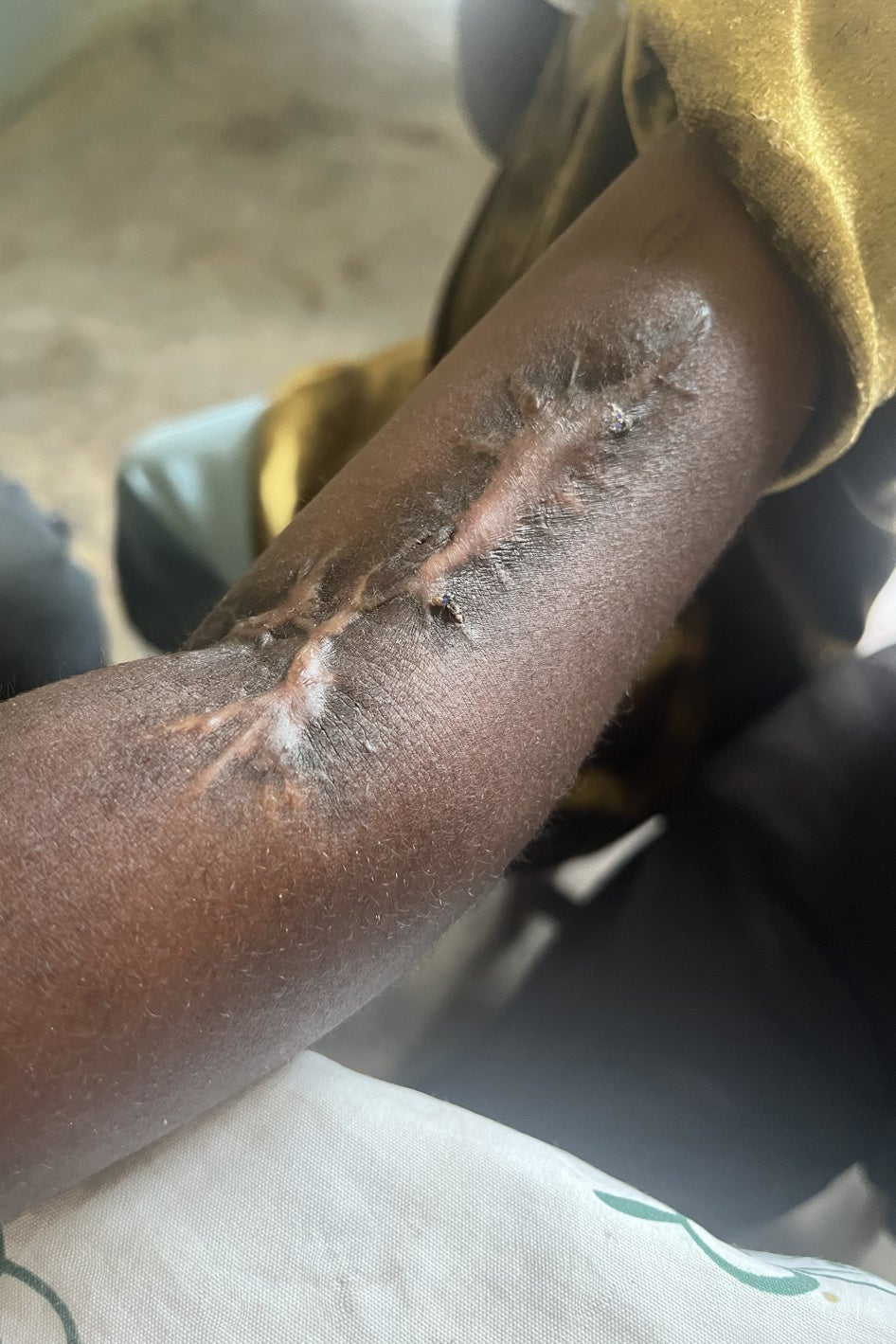
The M23 fighters and Rwandan soldiers killed four brothers, ages 23, 21, 20, and 16, at about 10 a.m. on December 10, also in Kasenga.[44] Their father, who was hiding in the next room, said the assailants accused the four of being Wazalendo before shooting them in the head and chest.[45] Their 12-year-old brother survived despite the fighters shooting him and then stabbing him in the leg with a bayonet to check if he was dead. Researchers visited the house and the site where they were buried.[46]
A woman who had hidden in her home in Kasenga said that M23 fighters broke down her door on the morning of December 10.[47] Once inside, they asked how many people were in the house and whether her husband was a member of the Wazalendo. She said that he wasn’t, but they still took him and his two brothers, whom they grabbed from a separate house.[48] They forced them to sit and shot two of them, including the woman’s husband, in the head.[49] They shot the third man in his side and wrist, and he survived.[50] “They just sat us down and shot us one after the other,” the survivor said. [51] The wife of one of the victims said that when she started crying over her husband’s body, one of the M23 fighters told her: “Calm yourself, we are bringing peace to Congo.”[52]
The door-to-door executions continued after December 10, many happening at night. M23 fighters repeatedly demanded that residents open their door, or broke them down, then accused the men and boys in the home of being Wazalendo fighters, and either summarily executed them, or took them away. The bodies of most would be found the next day.
On December 13, M23 fighters broke down the door of a home in the Rugenge neighborhood.[53] The wife of the man they were looking for told Human Rights Watch:
My husband was trying to hide [in our house] because we knew they were killing men. Two M23 entered, pointed to my husband and said: “You are a member of the Wazalendo and you are coming with us.” I said: “No wait, he is not.” My 7-year-old daughter was hiding with my husband. She was crying “Papa! Papa!” They easily found my husband and they took us all outside with him. My daughter was still yelling and she was saying: “Where are you taking him?” It was all chaos. We were all yelling and the M23 were getting mad. My daughter was just yelling “Papa! Papa!” and an M23 fighter shot her with his rifle. He shot her in the stomach. It was just one bullet. They watched her fall and then left with my husband.[54]
The girl died shortly after being shot. The woman’s husband is still missing.[55]
On December 18, three M23 fighters forced open the door of a home in Rugenge neighborhood.[56] According to the owner’s wife, they accused him of renting out rooms to the Congolese army in the past and said: “You are our enemy if you rented rooms to our enemy.”[57] The wife told Human Rights Watch: “They told my husband to get up and follow them. He had no choice.” She looked for her husband until she found his body the next afternoon lying on the ground on the outskirts of a small cemetery. He had been shot in the head.[58]
Rape and Other Sexual Violence
Sexual violence by the warring parties in eastern Congo has been rising.[59] The United Nations Population Fund reported over 80,000 cases of rape in eastern Congo between January and September 2025, a 32 percent increase in reported cases from the same period in 2024.[60] The US government’s sudden and chaotic cuts to international aid in early 2025 abruptly halted emergency health care and other support for thousands of sexual violence survivors.[61] Survivors were at greater risk of contracting HIV or experiencing unwanted pregnancies as clinics and hospitals across eastern Congo were without stocks of post-exposure prophylactic (PEP) kits, which US-funded projects previously largely supplied.[62] These kits must be administered within 72 hours of exposure to prevent HIV and pregnancy.
Human Rights Watch documented eight cases of rape committed by M23 fighters and Rwandan soldiers against women in and around Uvira in December 2025 and January 2026. Survivors described being raped in their fields or homes, often at the threat of death or at gunpoint. A local community leader, whom survivors had turned to for assistance in seeking medical support after the assault, corroborated their accounts.[63]
Survivors identified the perpetrators as M23 and Rwandan fighters because they spoke Kinyarwanda and had distinctive military uniforms and equipment.
On December 13, M23 and Rwandan forces entered a woman’s home at night by forced entry by shooting the door. They separated her from her husband. “They took my clothes off completely, tied my arms behind my back with my clothes, and raped me,” she said. “They continued for a long time.”[64] When her husband attempted to intervene, one of the fighters took him outside the house and shot him dead. The woman lost consciousness during the attack. She sought medical care afterwards and received pain medication and a PEP kit. She said she continues to suffer from persistent infection.[65]
Another woman said that she was attacked on December 15 while she was working in her field in Katala, Uvira territory. Two fighters approached her; one pointed a gun at her and said in Kinyarwanda: “If you don’t do what I tell you, I will kill you.”[66] The men, whose uniforms she identified as Rwandan military, raped her. She sought medical assistance afterwards at Kavimvira medical center in Uvira but was not able to be treated. She left without essential medication, receiving only a limited number of pills.[67]
A third woman described being assaulted around December 16 after going to search for food, as supplies dwindled following the arrival of the M23.[68] A Congolese and a Rwandan man attacked her. She said: “The Rwandan man said they should kill me, but the Congolese said: ‘no, rape her.’”[69] After the rape, she was too afraid to seek hospital care, and sought treatment from a pharmacy, which could only provide her antibiotics. When she spoke to Human Rights Watch in mid-March, she said she continued to suffer from pain and ongoing bleeding, but had not been able to access medical testing, including for HIV.[70]
Another woman described being attacked on January 3, 2026, while collecting food from her fields on the outskirts of Uvira. She encountered an M23 fighter and a Rwandan soldier who claimed to be fetching water. “If you shout, we will kill you,” one told her, saying that they “had not been with a woman for six months” while in the bush.[71] Following the rape, she experienced severe bleeding and illness. She said that during the M23’s occupation of Uvira, hospitals there were not providing treatment for sexual violence. She was unable to access a PEP kit within the critical 72-hour window.[72]
Across these accounts, survivors highlighted the near-total lack of accessible healthcare services during the M23 and Rwandan occupation, particularly the absence of timely PEP treatment and adequate care for injuries and infections resulting from sexual violence. Other essential services, including psychosocial support, evidence collection, and legal assistance were also unavailable.
Enforced Disappearances
The M23 abducted civilians into their forces while they occupied Uvira. Human Rights Watch documented 12 apparent cases—10 men, 1 woman and 1 boy—in which their fate remains uncertain.[73] In none of these cases were the individuals accused of being Wazalendo or otherwise suspected. In some cases, the M23 took men in public and walked them to military bases in the city.
These cases may have been part of wider M23 roundup operations. In 2025 and early 2026, Human Rights Watch interviewed 102 former detainees of the M23 while conducting research into the M23’s forced recruitment of captured combatants and civilians at training sites or military camps in North Kivu.[74]
On January 1, 2026, during New Year’s Day celebrations, the M23 took seven men and a woman into custody.[75] They also took a 16-year-old boy who was with two friends outside the “Parking” military base in Kavimvira neighborhood.[76] One of the boy’s friends said:
It was around 6:30 p.m. Some M23 [fighters] walked by, we were all just sitting and talking. Then one of the soldiers called over to [my friend] and he went over. Then they just walked away with him. We just thought he would be brought back. So we waited but after some time we decided it had been too long and we got scared. So we left. We still just thought that [he] would be let go. But the next day we did not hear anything, so we went and we told his family.[77]
Also on January 1, a 25-year-old man was with a local authority in a bistro meters away from the “Parking” base. The man said that M23 fighters came and took the local authority to the base and that he was not allowed to give him his phone and money for safe keeping.
On January 16, an M23 commander went to the home of a 42-year-old local leader from the Rugenge neighborhood.[78] The next day, the M23 apprehended the man in public.[79] He has not been heard from since and the M23 denied any knowledge of his whereabouts to family members and local authorities.[80]
Acknowledgments
This report was researched and written by Clémentine de Montjoye, senior researcher in the Africa division, and Lewis Mudge, Central Africa director, based on interviews conducted in March and April 2026. Léo Martine, senior geospatial analyst in the Digital Investigations Lab in the Technology, Rights, and Investigations division, conducted the geospatial research and analysis.
The report was reviewed by James Ross, legal and policy director; Sam Dubberley, director of the Technology, Rights, and Investigations division; and Sarah Jackson, deputy program director. Specialist review was provided by Allan Ngari, Africa advocacy director; Patrick Thompson, researcher in the Crisis, Conflict, and Arms division; Maria Elena Vignoli, senior counsel in the International Justice program; Jo Becker, advocacy director of the Children’s Rights division; and Heather Barr, associate director in the Women’s Rights division.
Production and editing assistance was provided by Anna Bruckner, senior coordinator in the Africa division. Travis Carr, publications manager, prepared the report for publication. Fitzroy Hepkins, senior administrative manager, and Jose Martinez, administrative officer, provided production assistance.
Sarah Leblois translated the report into French. Anna Bruckner and Peter Huvos, French website editor, vetted the French translation.
Human Rights Watch wishes to thank the individuals who were willing to speak about their experiences, sometimes at great personal risk.