At the 62nd session of the United Nations Human Rights Council, which closed on July 8, UN experts and civil society expressed deep concern about Tunisia’s intensifying human rights crises. But the continued silence from UN member states all but signalled a free pass for Tunisian authorities to continue escalating their crackdown on civic space.
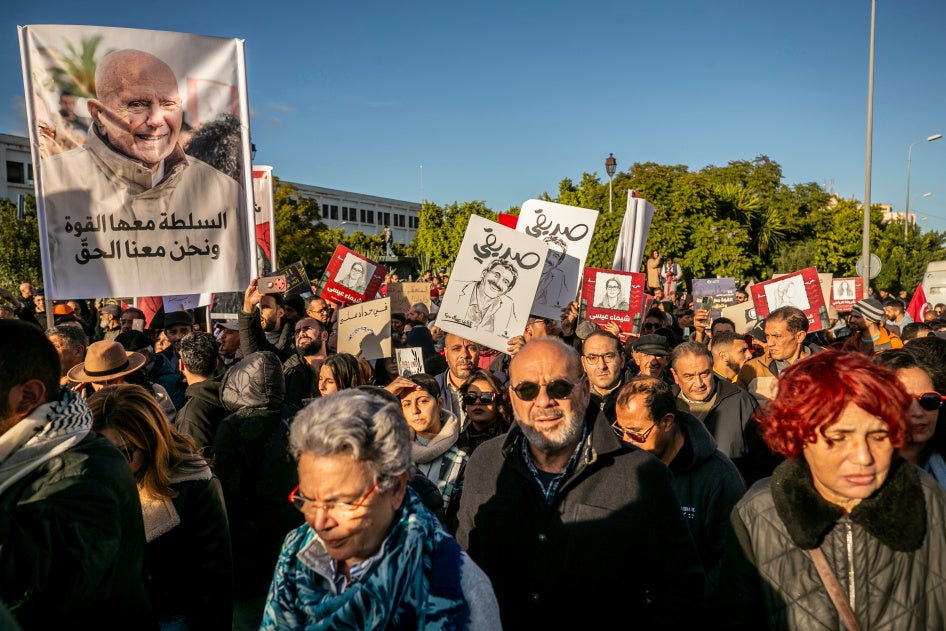
Five years after Tunisian President Kais Saied seized extraordinary executive powers, the country’s human rights situation has deteriorated dramatically. The resurgent authoritarianism has translated into systematic repression of civil society, journalists, political opponents, independent lawyers, and migrants, and erosion of the rule of law.
In May, UN Human Rights Chief Volker Türk called on the Tunisian government to end its repression of “civil society organisations, journalists, human rights defenders, opposition figures, activists and members of the judiciary, through the imposition of criminal proceedings and administrative impediments.” He mentioned Tunisia in his global update to the Council, highlighting how journalists are prosecuted under vague charges. The UN Special Rapporteur on the independence of judges and lawyers, in her presentation to the Council, denounced reprisals against judges “for defending judicial independence through professional associations,” including the conviction of Tunisian Judge Anas Hmedi.
UN independent experts have similarly condemned the prosecution, sentencing, and conviction of judges, lawyers, and human rights defenders. The UN Committee on the Elimination of Racial Discrimination raised the dangerous situation for sub-Saharan migrants collectively expelled to the Algerian and Libyan borders in life-threatening conditions, resulting in deaths and injuries.
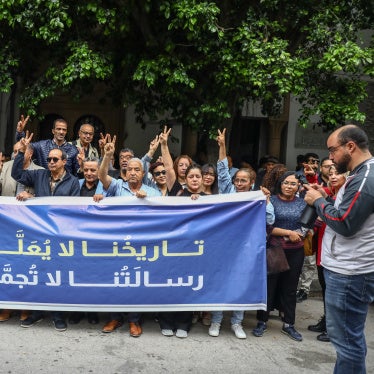
Human Rights Watch and other groups have documented ongoing human rights violations in Tunisia, including the dire situation for migrants, asylum seekers, and refugees, attacks on judicial independence, freedom of expression, and the press, and the crackdown on civil society, including the recent sentencing of former truth commission president Sihem Bensedrine to 25 years in prison and a heavy fine.
At the Council session, Tunisian civil society organizations also highlighted the ongoing abuses despite fear of reprisal. But instead of engaging, the government delegation responded aggressively, dismissing their legitimate concerns.
The alarm has been sounded. Now the Human Rights Council and UN member states should set political expediency aside, break their silence, and publicly condemn the Tunisian government’s repression.