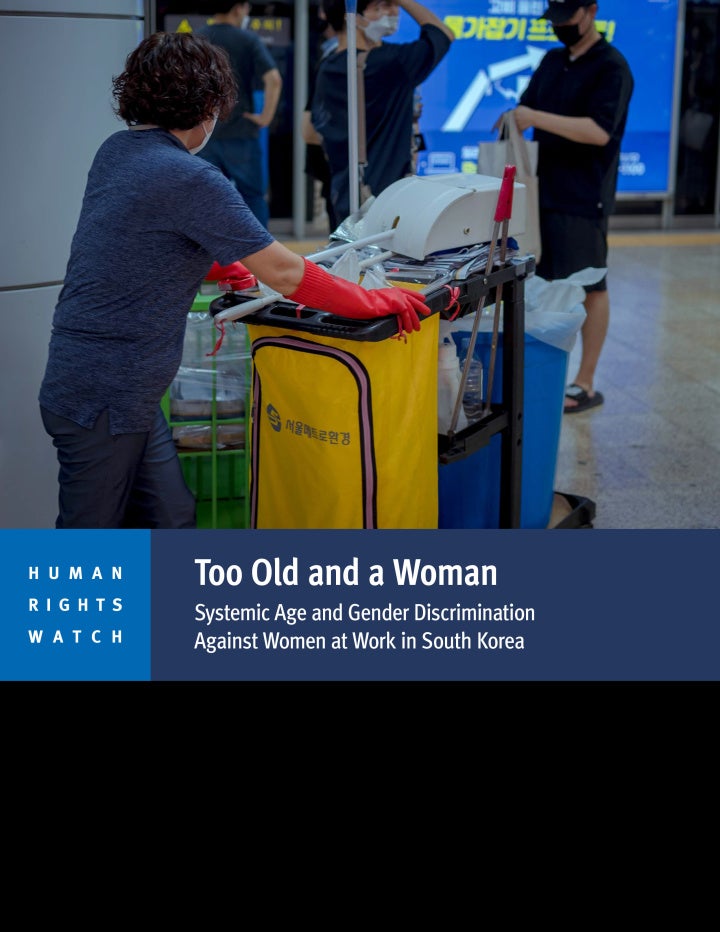
Systemic Age and Gender Discrimination Against Women at Work in South Korea
The 92-page report, “Too Old and a Woman: Systemic Age and Gender Discrimination Against Women at Work in South Korea,” documents that social attitudes toward education, unfair treatment in hiring, disrupted careers due to family responsibilities, limited promotion opportunities, glass ceilings, and sexual harassment create a disadvantage for South Korean women throughout their working lives. As women get older, their work opportunities narrow to a handful of low-paid, insecure jobs, and the gender pay gap increases. By the time they are eligible for pensions, women face a significant gender pension gap.
Human Rights and Responsible Investment in Mobile and the Internet
This 24-page report outlines steps necessary to promote adequate protections for Internet and mobile phone users in Burma, and ways to foster responsible investment in Burma’s telecom sector. In January 2013, the Burmese government announced plans to open the country’s telecom sector to foreign investment and is scheduled to award two nationwide licenses to companies by June 27.
Exploitation of Migrant Workers Ahead of Russia’s 2014 Winter Olympic Games in Sochi
This 67-page report documents exploitation of migrant workers on key Olympic sites, including the Central Olympic Stadium, the Main Olympic Village, and the Main Media Center.
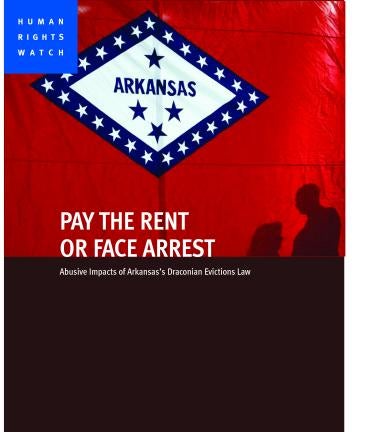
Abusive Impacts of Arkansas's Draconian Evictions Law
This 44-page report tells the stories of Arkansas tenants who were dragged into criminal court for transgressions that would not be a crime in any other US state. Other tenants who did not violate the law have faced charges because prosecutors acted on specious claims by landlords.
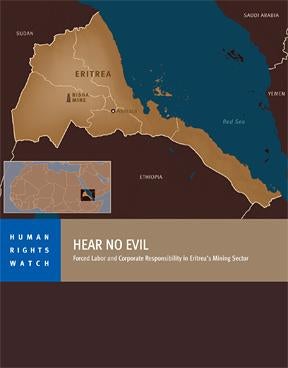
Forced Labor and Corporate Responsibility in Eritrea’s Mining Sector
The 29-page report describes how mining companies working in Eritrea risk involvement with the government’s widespread exploitation of forced labor. It also documents how Nevsun – the first company to develop an operational mine in Eritrea – initially failed to take those risks seriously, and then struggled to address allegations of abuse connected to its operations.
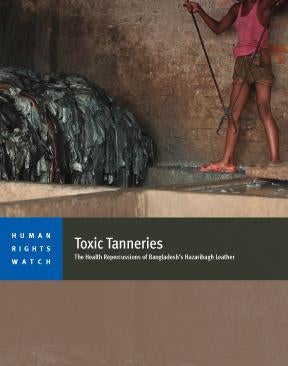
The Health Repercussions of Bangladesh’s Hazaribagh Leather
This report documents an occupational health and safety crisis among tannery workers, both men and women, including skin diseases and respiratory illnesses caused by exposure to tanning chemicals, and limb amputations caused by accidents in dangerous tannery machinery.
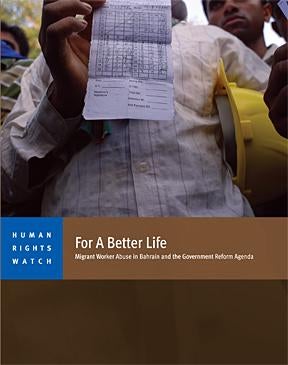
Migrant Worker Abuse in Bahrain and the Government Reform Agenda
This 123-page report documents the many forms of abuse and exploitation suffered by migrant workers in Bahrain and details the government’s efforts to provide redress and strengthen worker protections. Bahraini authorities need to implement labor safeguards and redress mechanisms already in place and prosecute abusive employers, Human Rights Watch said.
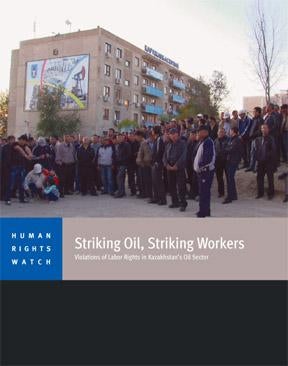
Violations of Labor Rights in Kazakhstan’s Oil Sector
This report analyzes the tactics employed by Kazakh authorities and three companies operating in the oil and gas sector in western Kazakhstan to restrict workers’ rights to freedom of assembly, association, and expression leading up to and during peaceful labor strikes that began in May 2011. Local authorities broke the strike at one of the companies in June.
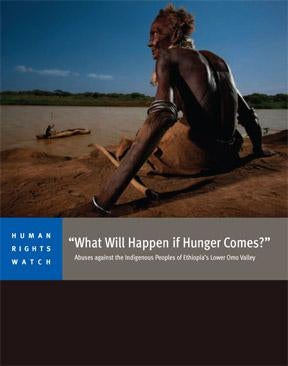
Abuses against the Indigenous Peoples of Ethiopia’s Lower Omo Valley
This report documents how government security forces are forcing communities to relocate from their traditional lands through violence and intimidation, threatening their entire way of life with no compensation or choice of alternative livelihoods.
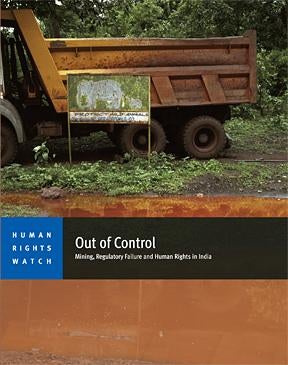
Mining, Regulatory Failure, and Human Rights in India
This 70-page report finds that deep-rooted shortcomings in the design and implementation of key policies have effectively left mine operators to supervise themselves. This has fueled pervasive lawlessness in India’s scandal-ridden mining industry and threatens serious harm to mining-affected communities.
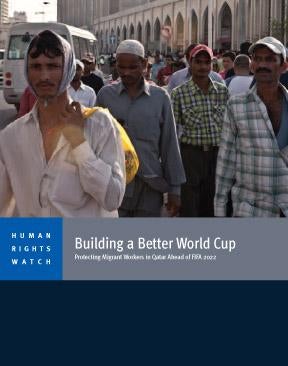
Protecting Migrant Workers in Qatar Ahead of FIFA 2022
This report examines a recruitment and employment system that effectively traps many migrant workers in their jobs. The problems they face include exorbitant recruitment fees, which can take years to pay off, employers’ routine confiscation of worker passports, and Qatar’s restrictive sponsorship system that gives employers inordinate control over their employees.
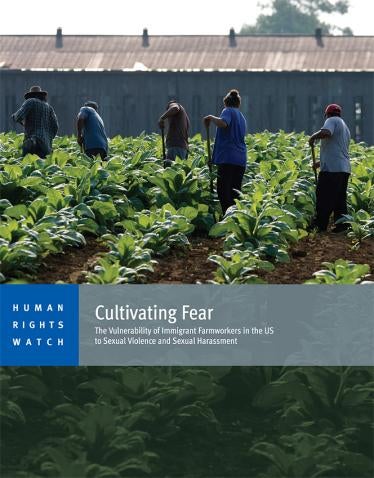
The Vulnerability of Immigrant Farmworkers in the US to Sexual Violence and Sexual Harassment
This 95-page report describes rape, stalking, unwanted touching, exhibitionism, or vulgar and obscene language by supervisors, employers, and others in positions of power. Most farmworkers interviewed said they had experienced such treatment or knew others who had. And most said they had not reported these or other workplace abuses, fearing reprisals.
Forced Evictions, Unlawful Expropriations, and House Demolitions in Azerbaijan’s Capital
This report documents the Azerbaijani authorities’ illegal expropriation of properties and forcible evictions of dozens of families in four Baku neighborhoods, at times without warning or in the middle of the night. The authorities subsequently demolished homes, sometimes with residents’ possessions inside.
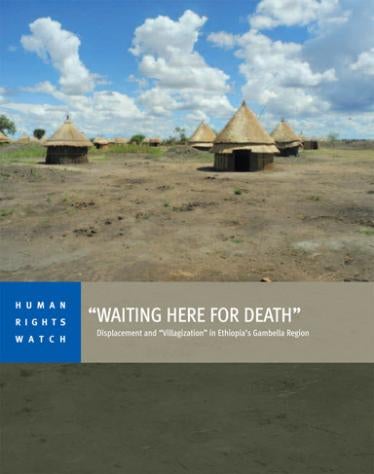
Forced Displacement and “Villagization” in Ethiopia’s Gambella Region
This report in Ethiopia’s Gambella Region examines the first year of Gambella’s villagization program. It details the involuntary nature of the transfers, the loss of livelihoods, the deteriorating food situation, and ongoing abuses by the armed forces against the affected people.
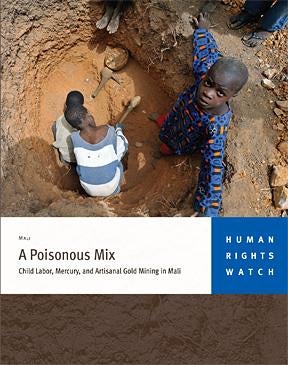
Child Labor, Mercury, and Artisanal Gold Mining in Mali
This 108-page report reveals that children as young as six dig mining shafts, work underground, pull up heavy weights of ore, and carry, crush, and pan ore. Many children also work with mercury, a toxic substance, to separate the gold from the ore. Mercury attacks the central nervous system and is particularly harmful to children.
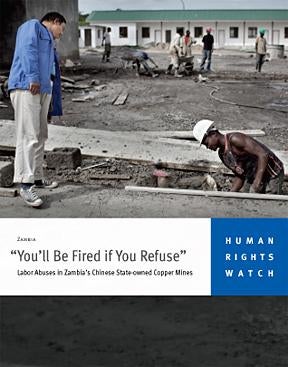
Labor Abuses in Zambia's Chinese State-owned Copper Mines
This 122-page report details the persistent abuses in Chinese-run mines, including poor health and safety conditions, regular 12-hour and even 18-hour shifts involving arduous labor, and anti-union activities, all in violation of Zambia’s national laws or international labor standards.