Torture and Other Abuses Against Venezuelans in El Salvador’s Mega Prison
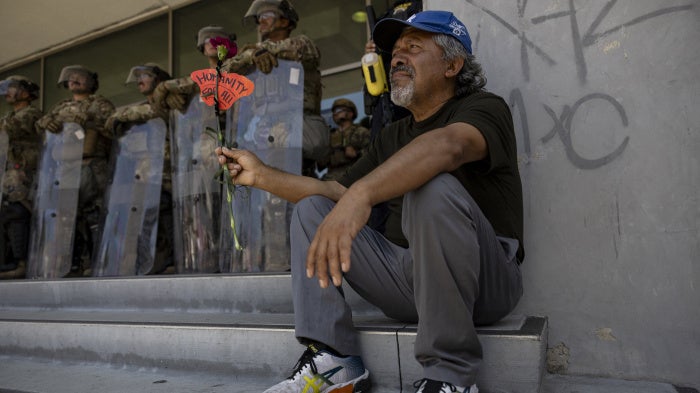
The 81-page report, “‘You Have Arrived in Hell’: Torture and Other Abuses Against Venezuelans in El Salvador’s Mega Prison,” provides a comprehensive account of the treatment of these people in El Salvador. In March and April 2025, the US government sent 252 Venezuelans, including dozens of asylum seekers, to the Center for Terrorism Confinement (Centro de Confinamiento del Terrorismo, CECOT) mega prison in El Salvador, despite credible reports of serious human rights abuses in El Salvador’s prisons. The Venezuelans were subject to refoulement—being sent to where they would face torture or persecution—arbitrary detention, enforced disappearance, torture, inhumane detention conditions and, in some cases, sexual violence.
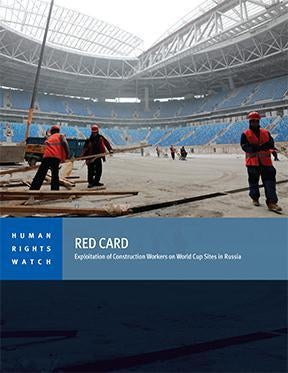
Exploitation of Construction Workers on World Cup Sites in Russia
This report documents how workers on six World Cup stadium construction sites faced unpaid wages either in full or part, several months’ delays in payment of wages, work in temperatures as cold as -25 degrees Celsius without sufficient protections, and employers’ failure to provide work contracts required for legal employment.
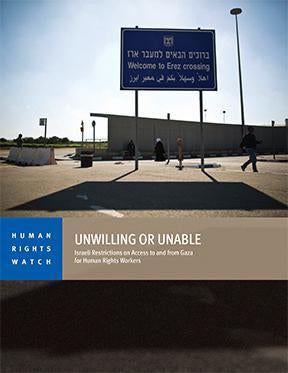
Israeli Restrictions on Access to and from Gaza for Human Rights Workers
This report documents how Israel systematically bars human rights workers from traveling into and out of Gaza, even where the Israeli security services make no security claims against them as individuals. Egypt is also imposing severe travel restrictions on its border with Gaza. The International Criminal Court (ICC) prosecutor’s office should take note of the restrictions in the context of its ongoing preliminary examination of the Palestine situation.
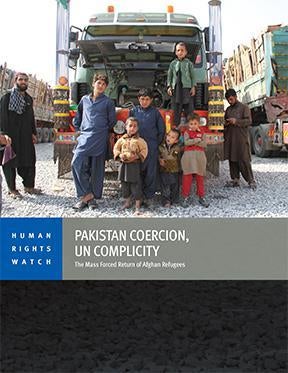
This report documents Pakistan’s abuses and the role of the United Nations High Commissioner for Refugees (UNHCR) in promoting the exodus. Through enhancing its “voluntary repatriation” program and failing to publicly call for an end to coercive practices, the UN agency has become complicit in Pakistan’s mass refugee abuse. The UN and international donors should press Pakistan to end the abuses, protect the remaining 1.1 million Afghan refugees in Pakistan, and allow refugees among the other estimated 750,000 unregistered Afghans there to seek protection, Human Rights Watch said.
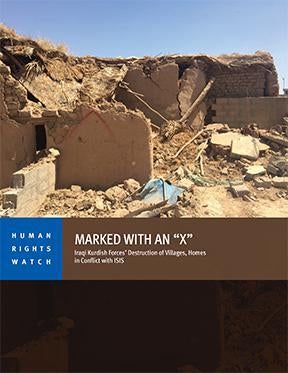
Iraqi Kurdish Forces' Destruction of Villages, Homes in Conflict with ISIS
This report looked at destruction of homes between September 2014 and May 2016 in disputed areas of Kirkuk and Nineveh governorates, areas nominally under Iraqi government jurisdiction but under Kurdistan Regional Government (KRG) control. The destruction, which took place after KRG Peshmerga forces routed Islamic State (also known as ISIS) fighters, targeted Arab homes while leaving Kurdish homes intact. KRG leaders have maintained that these are historically Kurdish areas that they intend to incorporate into the Kurdistan region.
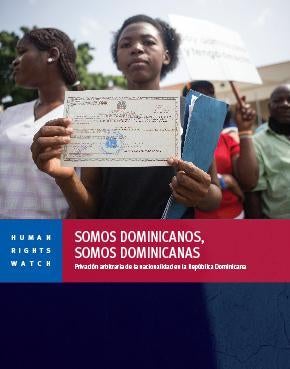
Arbitrary Deprivation of Nationality in the Dominican Republic
This 48-page report documents hundreds of cases from 13 provinces around the country. Human Rights Watch found that Dominicans of Haitian descent are still unable to access basic civic functions such as registering children at birth, enrolling in school and college, participating in the formal economy, or travelling around the country without risk of expulsion.
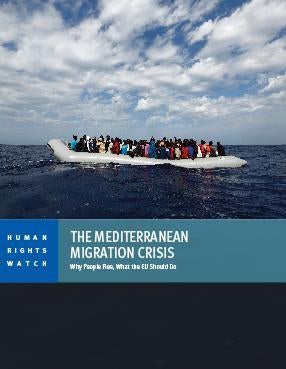
The 33-page report documents the human rights abuses driving people to make the dangerous sea crossing and the shortcomings of EU migration and asylum policies. The report is based on over 150 interviews in May with recently-arrived migrants and asylum seekers in Italy – Lampedusa, Catania, and Milan – and Greece – the islands of Lesbos, Chios, Samos, Leros, and Kos. The conclusions are also based on extensive Human Rights Watch research in Syria, Eritrea, Afghanistan, and Somalia – the home countries of many of those arriving by sea.
Saudi Abuses against Migrants during Mass Expulsions
This 36-page report draws on interviews with 60 workers deported to Yemen and Somalia who experienced serious abuses during the expulsion campaign. They described beatings and detention in poor conditions before they were deported.
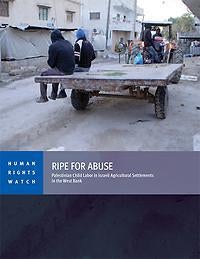
Palestinian Child Labor in Israeli Agricultural Settlements in the West Bank
This 74-page report documents that children as young as 11 work on some settlement farms, often in high temperatures. The children carry heavy loads, are exposed to hazardous pesticides, and in some cases have to pay themselves for medical treatment for work-related injuries or illness.
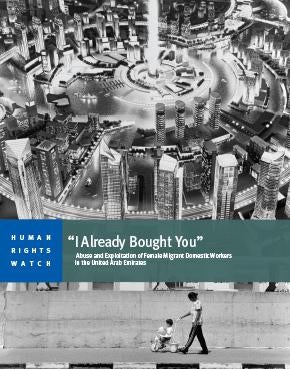
Abuse and Exploitation of Female Migrant Domestic Workers in the United Arab Emirates
This 79-page report documents how the UAE’s visa sponsorship system, known as kafala, and the lack of labor law protections leave migrant domestic workers exposed to abuse. Domestic workers, most from Asia and Africa, cannot move to a new job before their contracts end without the employer’s consent, trapping many in abusive conditions.
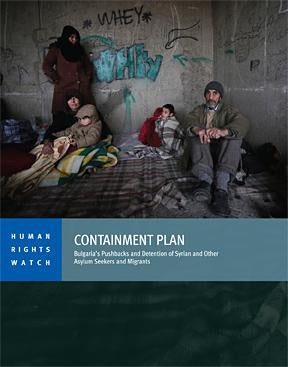
Bulgaria’s Pushbacks and Detention of Syrian and Other Asylum Seekers and Migrants
This 76-page report documents how in recent months Bulgarian border police, often using excessive force, have summarily returned people who appear to be asylum seekers to Turkey. The people have been forced back across the border without proper procedures and with no opportunity to lodge asylum claims.
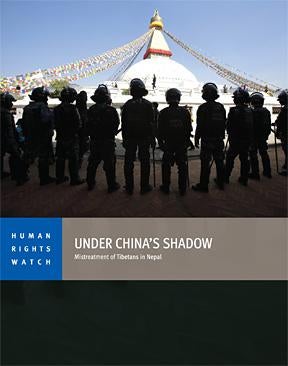
The 100-page report shows that Tibetan refugee communities in Nepal are now facing a de facto ban on political protests, sharp restrictions on public activities promoting Tibetan culture and religion, and routine abuses by Nepali security forces.
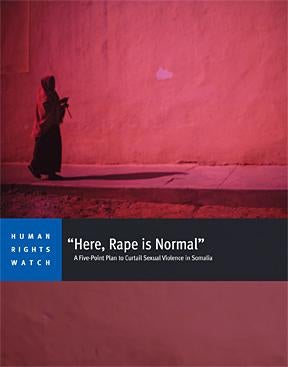
A Five-Point Plan to Curtail Sexual Violence in Somalia
This 72-page report provides a roadmap for the government and its international donors to establish a comprehensive strategy to reduce rape, provide survivors with immediate and urgent assistance, and develop a long-term approach to end these abuses.
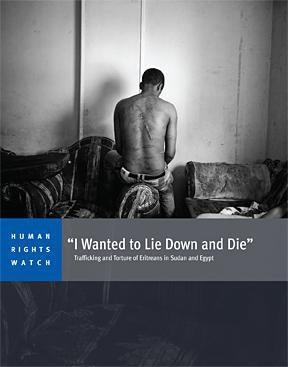
Trafficking and Torture of Eritreans in Sudan and Egypt
This 79-page report documents how, since 2010, Egyptian traffickers have tortured Eritreans for ransom in the Sinai Peninsula, including through rape, burning, and mutilation.
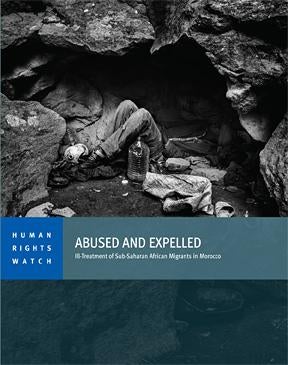
Ill-Treatment of Sub-Saharan African Migrants in Morocco
This 79-page report found that beatings and other abuses occurred as Moroccan security forces took custody of Sub-Saharan migrants who had tried unsuccessfully to reach the Spanish enclave of Melilla, or—prior to September 2013—as they were rounding up migrants without any semblance of due process to expel them to Algeria.
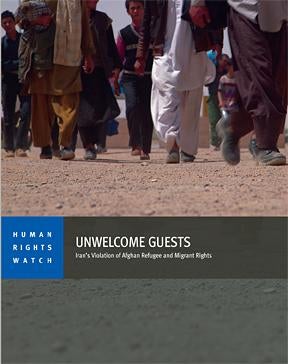
Iran’s Violation of Afghan Refugee and Migrant Rights
This 124-page report documents how Iran’s flawed asylum system results in a detention and deportation process with no due process or opportunity for legal appeal. Iranian officials have in recent years limited legal avenues for Afghans to claim refugee or other immigration status in Iran, even as conditions in Afghanistan have deteriorated.