Hanoi’s Continuing Assault on Workers’ Right to Organize
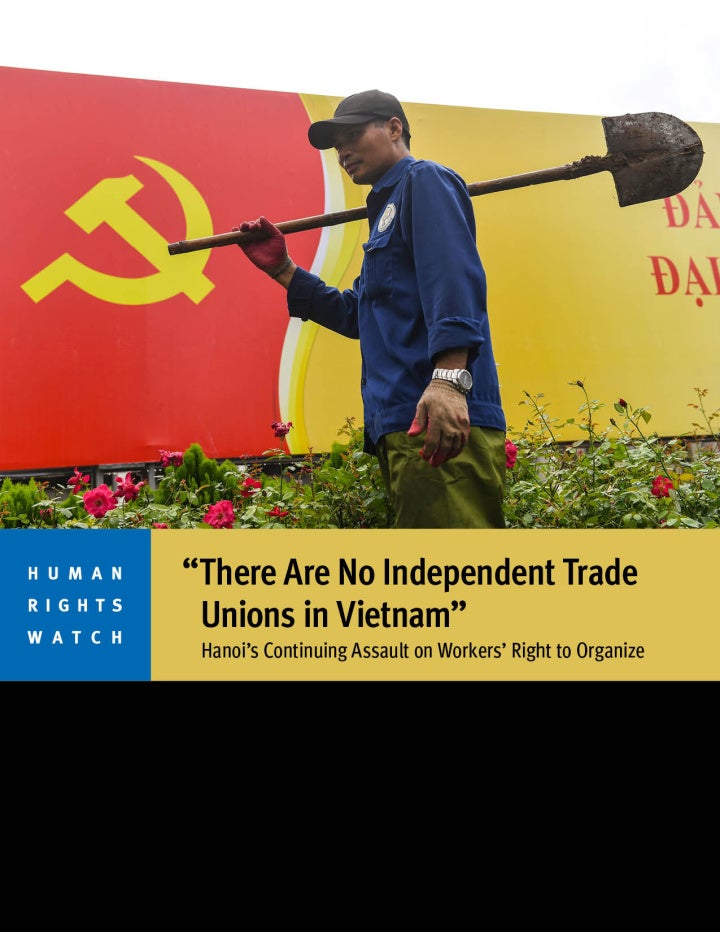
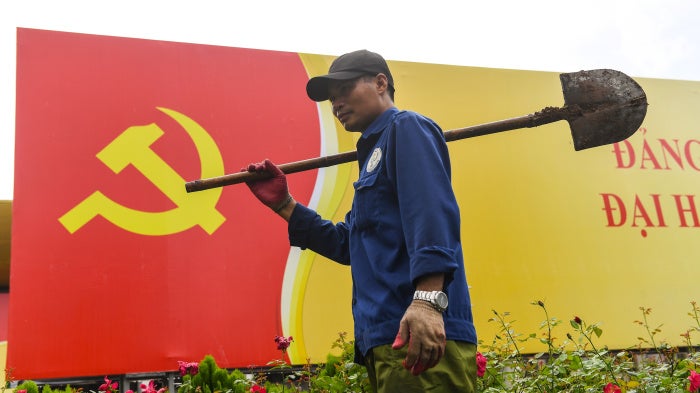
The 49-page report, “There Are No Independent Trade Unions in Vietnam: Hanoi’s Continuing Assault on Workers’ Right to Organize,” documents the Vietnamese governments’ continuing useof vague, overbroad criminal laws to suppress the activities of human rights and labor rights defenders, while maintaining an atmosphere of repression to thwart independent labor organizing. The government has issued decrees and articles in state-run media that reaffirm that all labor organizations in Vietnam are under the government’s authority, and portray independent trade unions as dangerous, anti-state entities.
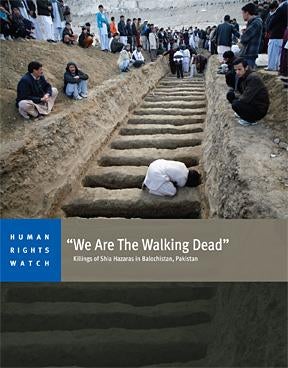
The 62-page report documents Sunni militant group attacks on the mostly Shia Hazara community in Balochistan. Since 2013, several hundreds of Hazara have been killed in steadily worsening targeted violence, including two bombings in the provincial capital, Quetta, in January and February 2013 that killed at least 180 people.
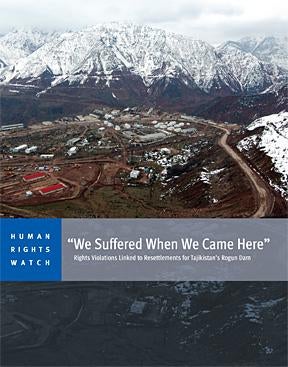
Rights Violations Linked to Resettlements for Tajikistan's Rogun Dam
The 81-page report examines serious shortcomings in the government’s resettlement of 1,500 families since 2009. The Rogun Dam and Hydropower Plant stands to displace over 42,000 people before it is operational. The major problem, people said, was that they were not given enough compensation to replace their homes.
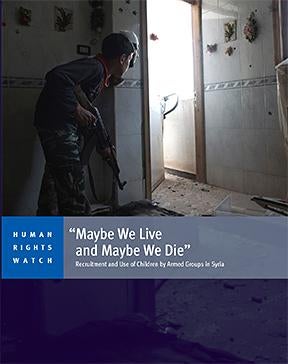
Recruitment and Use of Children by Armed Groups in Syria
The 31-page report documents the experiences of 25 children and former child soldiers in Syria’s armed conflict. Human Rights Watch interviewed children who fought with the Free Syrian Army, the Islamic Front coalition, and the extremist groups ISIS and Jabaht al-Nusra, an Al-Qaeda affiliate, as well as the military and police forces in Kurdish-controlled areas.
The 106-page report documents arbitrary arrests of the PYD’s political opponents, abuse in detention, and unsolved abductions and murders. It also documents the use of children in the PYD’s police force and armed wing, the People’s Protection Units (YPG).
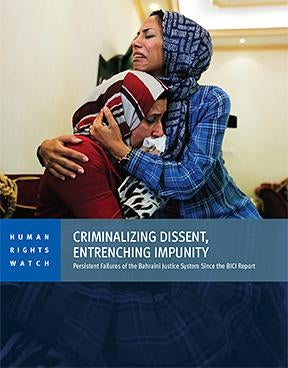
Persistent Failures of the Bahraini Justice System Since the BICI Report
The 64-page report found that more than two years after King Hamad bin Isa Al Khalifa accepted recommendations of the Bahrain Independent Commission of Inquiry (BICI) to free peaceful dissenters and hold abusive officials accountable. Bahrain’s courts play a key role in maintaining the country’s highly repressive political order, routinely sentencing peaceful protesters to long prison terms.
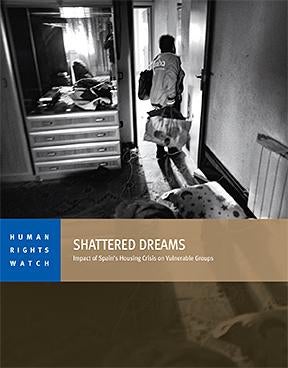
Impact of Spain’s Housing Crisis on Vulnerable Groups
This 81-page report documents the hardships faced by families who lose their homes after defaulting on mortgage payments amid Spain’s economic recession and massive unemployment. The report is based on in-depth interviews with 44 women and men who have experienced or were facing eviction, civil society organizations, and government officials.
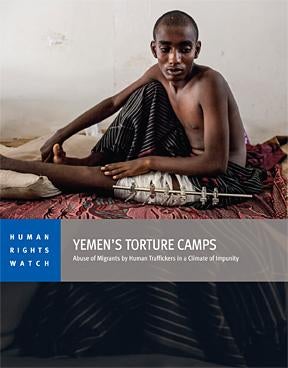
Abuse of Migrants by Human Traffickers in a Climate of Impunity
The report documents harms suffered by migrants, most from the Horn of Africa, who try to travel through Yemen on their way to Saudi Arabia for work. Human Rights Watch found that various Yemeni security agencies in the border town of Haradh, where dozens of camps exist, and at checkpoints, allow the human trafficking industry to flourish with little government interference.
The 33-page report documents violations of basic fair trial rights of defendants tried before military courts, including military personnel, suspected insurgents and supporters, police officers, and ordinary civilians. Human Rights Watch interviewed over 30 defendants and their relatives as well as military court officials, lawyers, and legal experts.
The 71-page report details the involvement of local government officials – including Tagum City’s former mayor, Rey “Chiong” Uy – and police officers in the extrajudicial killings of alleged drug dealers, petty criminals, street children, and others over the past decade.
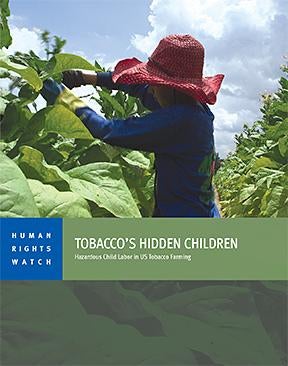
Hazardous Child Labor in United States Tobacco Farming
The 138-page report documents conditions for children working on tobacco farms in four states where 90 percent of US tobacco is grown: North Carolina, Kentucky, Tennessee, and Virginia. Children reported vomiting, nausea, headaches, and dizziness while working on tobacco farms, all symptoms consistent with acute nicotine poisoning.
The 26-page report is the first report to assess in detail the risks posed by these weapons during law enforcement operations, expanding the debate beyond the battlefield. Human Rights Watch found that fully autonomous weapons would threaten rights and principles under international law as fundamental as the right to life, the right to a remedy, and the principle of dignity.
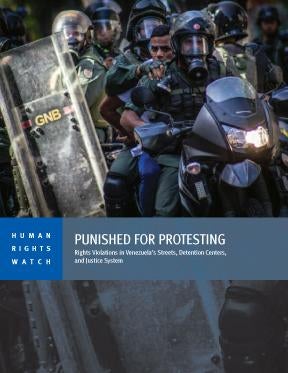
Rights Violations in Venezuela’s Streets, Detention Centers, and Justice System
This 103-page report documents 45 cases from Caracas and three states, involving more than 150 victims, in which security forces have abused the rights of protesters and other people in the vicinity of demonstrations. Security forces have also allowed armed pro-government gangs to attack unarmed civilians, and in some cases openly collaborated with the gangs.
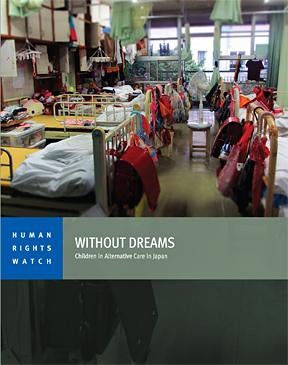
This 119-page report is Human Rights Watch’s first major report on Japan since the launch of its Tokyo office in April 2009. The report examines the alternative care system’s organization and processes, problems found in the institutionalization of children and infants, and abuses that take place.
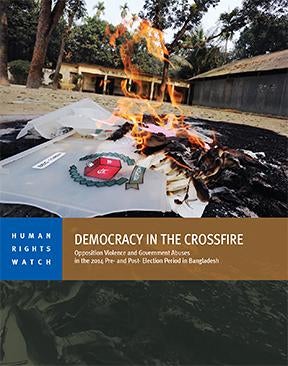
Opposition Violence and Government Abuses in the 2014 Pre- and Post- Election Period in Bangladesh
This 64-page report details violent protests by opposition activists who called for an election boycott. On numerous occasions, opposition party members and activists threw petrol bombs at trucks, buses, and motorized rickshaws. In some cases, opposition group members forced children to carry out the attacks. In response, the government unleashed a brutal crackdown.
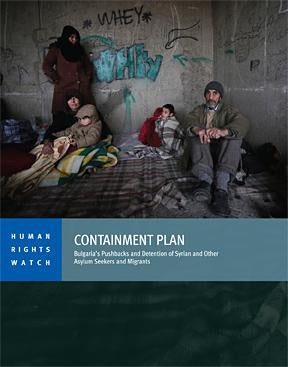
Bulgaria’s Pushbacks and Detention of Syrian and Other Asylum Seekers and Migrants
This 76-page report documents how in recent months Bulgarian border police, often using excessive force, have summarily returned people who appear to be asylum seekers to Turkey. The people have been forced back across the border without proper procedures and with no opportunity to lodge asylum claims.