The Inhumane Effects of White Phosphorus Munitions and the Need for Stronger Law
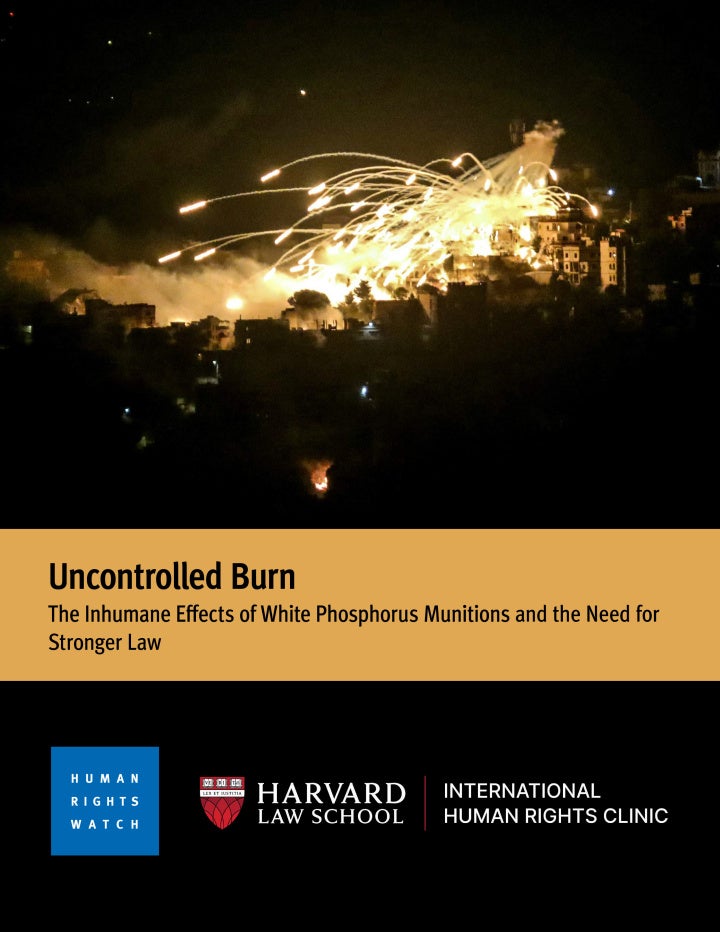
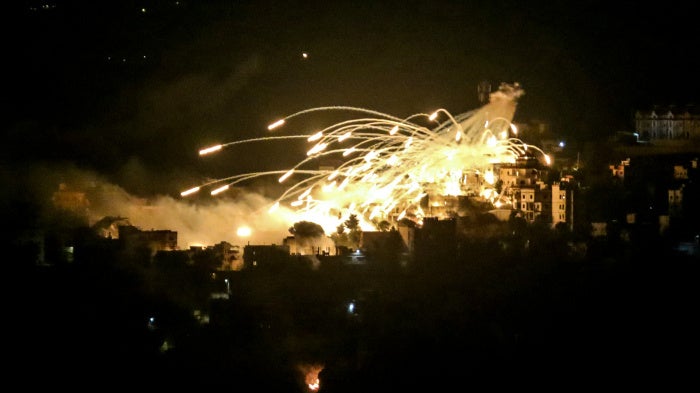
The 45-page report, “Uncontrolled Burn: The Inhumane Effects of White Phosphorus Munitions and the Need for Stronger Law,” documents 23 verified incidents of Israeli use in southern Lebanon between March and May 2026. The report also details the horrific harm the munitions have caused in armed conflicts in recent years. White phosphorus munitions, which produce fire when their payload is exposed to oxygen, are not currently regulated by a specific treaty.
Key Components and Positive Precedent for Convention on Cluster Munitions Legislation
This 73-page report urges countries to pass robust national legislation as soon as possible to carry out the provisions of the treaty. The report describes the elements of a comprehensive law and highlights exemplary provisions in existing laws. The report was jointly published with Harvard Law School’s International Human Rights Clinic.
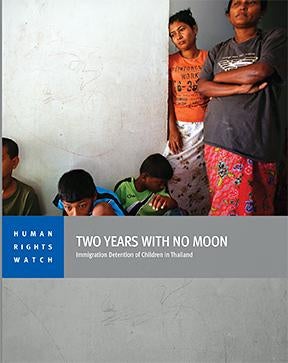
This 67-page report details how Thailand’s use of immigration detention violates children’s rights, risks their health and wellbeing, and imperils their development. The Thai government should stop detaining children on immigration grounds, Human Rights Watch said.
"Manual Scavenging," Caste, and Discrimination in India
This 96-page report documents the coercive nature of manual scavenging. Across India, castes that work as “manual scavengers” collect human excrement on a daily basis, and carry it away in cane baskets for disposal. Women from this caste usually clean dry toilets in homes, while men do the more physically demanding cleaning of sewers and septic tanks.
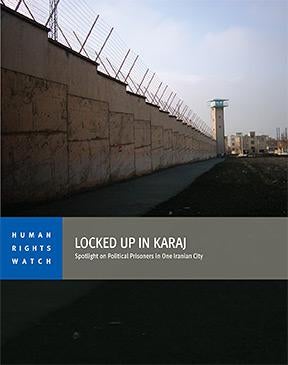
Spotlight on Political Prisoners in One Iranian City
The 59-page report is based on a review of 189 cases in three prisons in the city of Karaj, near the capital, Tehran, including the charges they faced, details of their trials before revolutionary courts, and information from lawyers, prisoners’ families, and others.
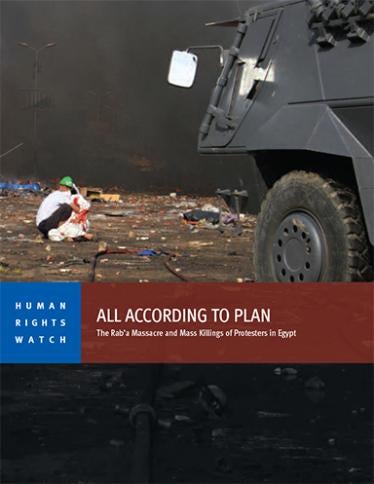
The Rab’a Massacre and Mass Killings of Protesters in Egypt
The 188-page report documents the way the Egyptian police and army methodically opened fire with live ammunition on crowds of demonstrators opposed to the military’s July 3 ouster of Mohamed Morsy, Egypt’s first elected civilian president, at six demonstrations between July 5 and August 17, 2013.
The 92-page report documents how widespread killings of civilians, often based on their ethnicity, and mass destruction and looting of civilian property, have defined the conflict.
The 46-page report is based on interviews with more than 30 people affected by the non-admission policy. Human Rights Watch also documented Jordan’s withdrawal of Jordanian citizenship from some Palestinians who had lived in Syria for many years and who have been detained or deported to Syria without identity documents.
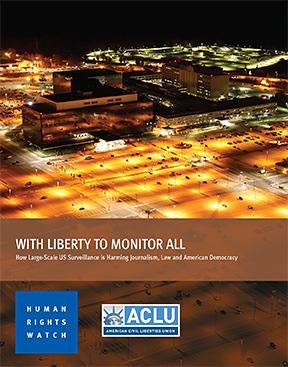
How Large-Scale US Surveillance is Harming Journalism, Law, and American Democracy
The 120-page report documents how national security journalists and lawyers are adopting elaborate steps or otherwise modifying their practices to keep communications, sources, and other confidential information secure in light of revelations of unprecedented US government surveillance of electronic communications and transactions.
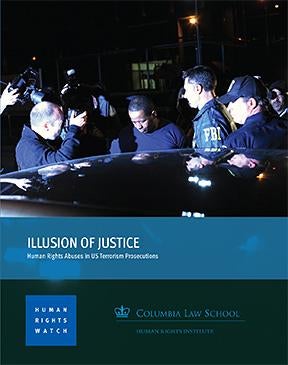
The 214-page report examines 27 federal terrorism cases from initiation of the investigations to sentencing and post-conviction conditions of confinement. It documents the significant human cost of certain counterterrorism practices, such as overly aggressive sting operations and unnecessarily restrictive conditions of confinement.
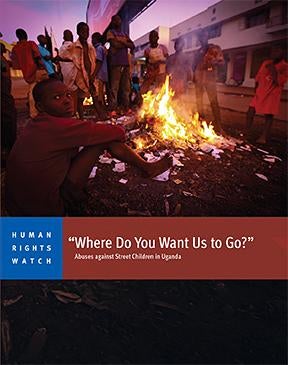
The 71-page report documents human rights violations against street children by police and local government officials, as well as abuses by members of the community and older homeless children and adults. Police and other officials, including those from the Kampala Capital City Authority (KCCA), have beaten, extorted money from, and arbitrarily detained street children after targeted roundups.
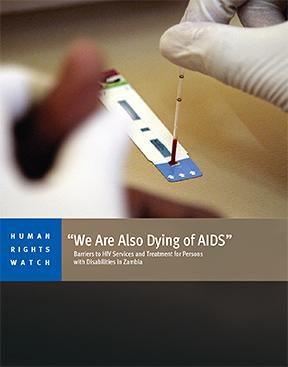
Barriers to HIV Services and Treatment for Persons with Disabilities in Zambia
The 80-page report documents the obstacles faced by people with disabilities in both the community and healthcare settings. These include pervasive stigma and discrimination, lack of access to inclusive HIV prevention education, obstacles to accessing voluntary testing and HIV treatment, and lack of appropriate support for adherence to antiretroviral treatment.
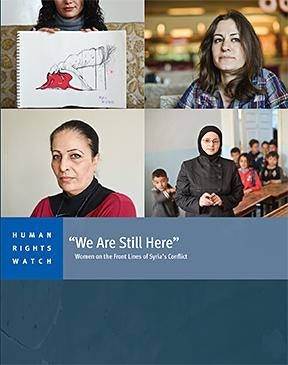
This 47-page report profiles 17 Syrian women who are now refugees in Turkey. Through written and photographic portraits, the report documents ways in which the conflict impacts women in particular.
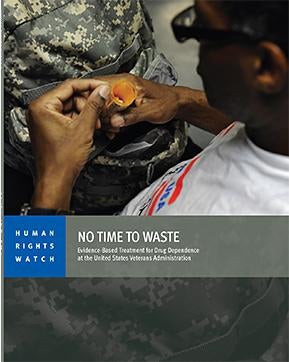
Evidence-Based Treatment for Drug Dependence at the United States Veterans Administration Department of Veterans Affairs
The 39-page report states that more than one million US veterans take prescription opioids for pain, and nearly half of them use the drugs “chronically,” or beyond 90 days.
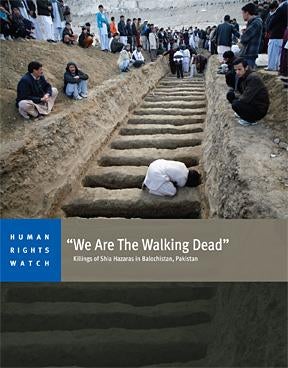
The 62-page report documents Sunni militant group attacks on the mostly Shia Hazara community in Balochistan. Since 2013, several hundreds of Hazara have been killed in steadily worsening targeted violence, including two bombings in the provincial capital, Quetta, in January and February 2013 that killed at least 180 people.
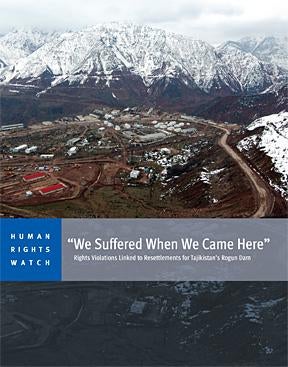
Rights Violations Linked to Resettlements for Tajikistan's Rogun Dam
The 81-page report examines serious shortcomings in the government’s resettlement of 1,500 families since 2009. The Rogun Dam and Hydropower Plant stands to displace over 42,000 people before it is operational. The major problem, people said, was that they were not given enough compensation to replace their homes.