US Civil Rights Enforcement Under the Trump Administration
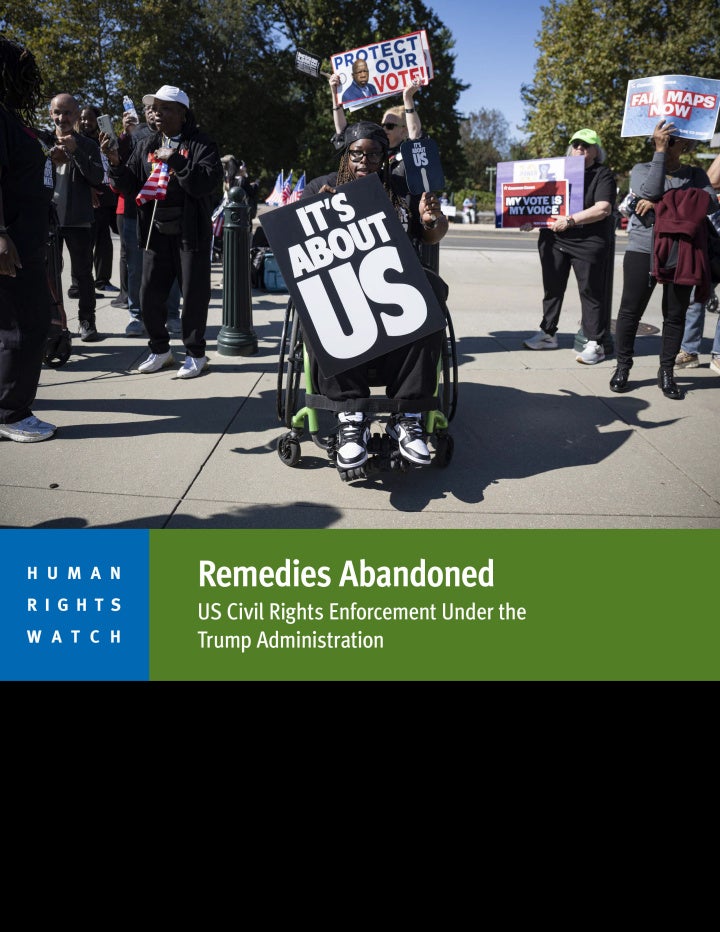
The 112-page report, “Remedies Abandoned: US Civil Rights Enforcement Under the Trump Administration,” documents the administration’s efforts to unravel the work of four key agencies between January 2025 and the spring of 2026: the Justice Department’s Civil Rights Division, which lost about 75 percent of its attorneys; the Education Department’s Office of Civil Rights, which moved to lay off nearly half its staff in one day and closed 7 of its 12 regional offices; the Housing and Urban Development Department’s Fair Housing Office, which shrank dramatically; and the Equal Employment Opportunity Commission, which reached its lowest staffing levels in over 40 years.
Political Persecution of Opposition Activists and Supporters in Zimbabwe
This 19-page report describes ongoing abuses, including killings, beatings and arbitrary arrests, by ZANU-PF and its allies against MDC members of parliament, activists and supporters before and after the June 27 presidential runoff election. Hundreds of MDC activists who fled the violence in the weeks before the vote remain in hiding, while armed ZANU-PF supporters and government-backed “war veterans” and “youth militia” continue to terrorize villagers in the rural areas, the report found. The government has made little effort to dismantle the torture camps and bases established by ZANU-PF and its allies since the first round of elections on March 29.
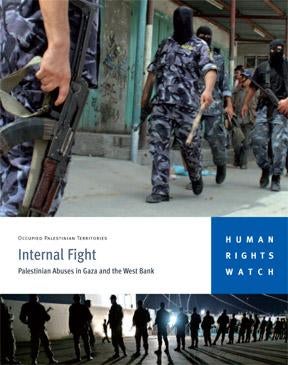
In this 113-page report Human Rights Watch documents a pattern of serious abuses by Hamas against Fatah in Gaza, and by Fatah against Hamas in the West Bank, since June 2007, when Hamas took control in Gaza. The latest spike in the internal Palestinian conflict comes after a year of politically motivated arrests, torture and ill-treatment in detention by both sides.
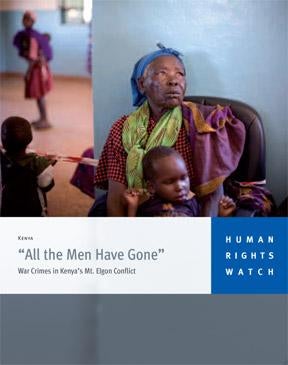
This 52-page report documents war crimes committed by a militia group, the Sabaot Land Defence Force (SLDF) and by Kenyan security forces responding to the crisis in Mt. Elgon, western Kenya. The investigation found that since 2006 the SLDF has terrorized thousands, killing and torturing hundreds of people. The government deployed forces in March 2008 to quell the SLDF, and Kenyan police, paramilitary and military tortured hundreds of men detained in mass round-ups. At least 37 people remain “disappeared” after being taken into custody by the security forces.
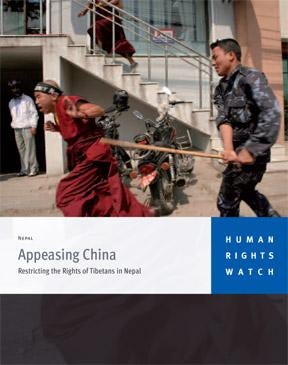
This 60-page report documents numerous violations of human rights by the Nepali authorities, particularly the police, against Tibetans involved in peaceful demonstrations in Kathmandu, including: unnecessary and excessive use of force; arbitrary arrest; sexual assault of women during arrest; arbitrary and preventive detention; beatings in detention; unlawful threats to deport Tibetans to China; restrictions on freedom of movement in the Kathmandu Valley; harassment of Tibetan and foreign journalists; and harassment of Nepali, Tibetan, and foreign human rights defenders.
Government, Vigilante, and Naxalite Abuses in India’s Chhattisgarh State
This 182-page report documents human rights abuses against civilians, particularly indigenous tribal communities, caught in a deadly tug-of-war between government security forces and the vigilante Salwa Judum and Naxalites.
Civilian Casualties in Lebanon during the 2006 War
In this report, Human Rights Watch examines military operations by Israeli and Hezbollah forces in Lebanon during the armed conflict that lasted from July 12 until August 14, 2006. Human Rights Watch issued an earlier report on the conflict, researched and published while the war was ongoing. Because of our concerns about the conduct of that conflict by both sides and the difficulty of doing research in the midst of the fighting, Human Rights Watch conducted substantial additional research in the less difficult post-war environment.
The Landmark International Criminal Court’s First Years
This 244-page report examines the ICC’s accomplishments and shortcomings since it began operations in 2003. The court was created to bring justice to the victims of gross human rights violations; so far the court has issued arrest warrants against suspects in four countries, though none have yet been tried.
Bringing Justice for War Crimes, Crimes against Humanity, and Genocide in Bosnia and Herzegovina’s Cantonal and District Courts
This 47-page report calls for the government to investigate and prosecute those responsible for crimes committed during Nepal's armed conflict. A lack of political will and consensus, prevailing political instability, and a lack of progress in the peace process has meant the government has not delivered on its promises to prosecute these crimes, as set out in the 2006 peace agreement, Human Rights Watch and Advocacy Forum said.
This 52-page report documents the difficulties women face in accessing therapeutic abortion – those needed to save the life of the woman or avoid serious health risks – in Peru’s public health system. While no reliable statistics are available on how many women have been turned away from a legal abortion, in interviews with women, healthcare providers, rights activists and government officials, Human Rights Watch found that women in general lack accurate information about their right to a legal abortion, and public health care professionals are often unclear about the intent of laws guaranteeing women access to legal abortions.
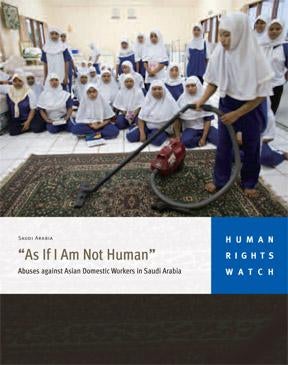
Abuses against Asian Domestic Workers in Saudi Arabia
This 133-page report concludes two years of research and is based on 142 interviews with domestic workers, senior government officials, and labor recruiters in Saudi Arabia and labor-sending countries. Saudi households employ an estimated 1.5 million domestic workers, primarily from Indonesia, Sri Lanka, the Philippines, and Nepal. Smaller numbers come from other countries in Africa and Asia. While no reliable statistics exist on the exact number of abuse cases, the Saudi Ministry of Social Affairs and the embassies of labor-sending countries shelter thousands of domestic workers with complaints against their employers or recruiters each year.
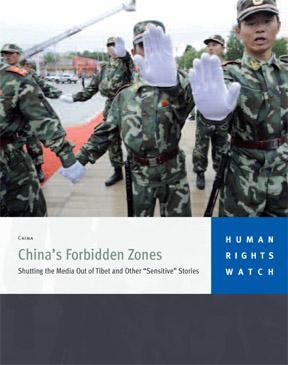
Shutting the Media out of Tibet and Other “Sensitive” Stories
This 71-page report draws on more than 60 interviews with correspondents in China between December 2007 and June 2008. It documents how foreign correspondents and their sources continue to face intimidation and obstruction by government officials or their proxies when they pursue stories that can embarrass the authorities, expose official wrongdoing, or document social unrest.