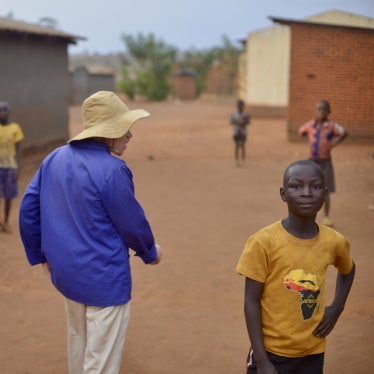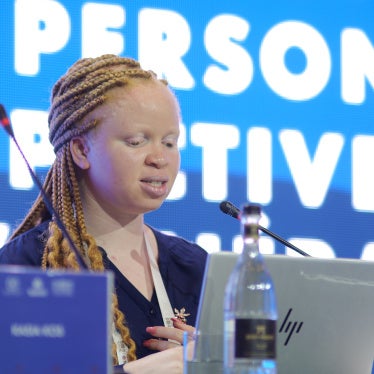
When we decided to launch on June 12 our report and film on discrimination against people with albinism in employment in Malawi, we wanted to do so in person, together with our partners, the Association of Persons with Albinism in Malawiand the Africa Albinism Network. Guided by the disability rights movement’s principle “nothing about us without us,” we planned the event together, including a musical performance by Lazarus and Hilda Macheso, with our Marca Bristo fellow expertly leading as master of ceremonies. We also printed the report in large font, since many people with albinism have visual disabilities.
But we could not have planned what happened next.
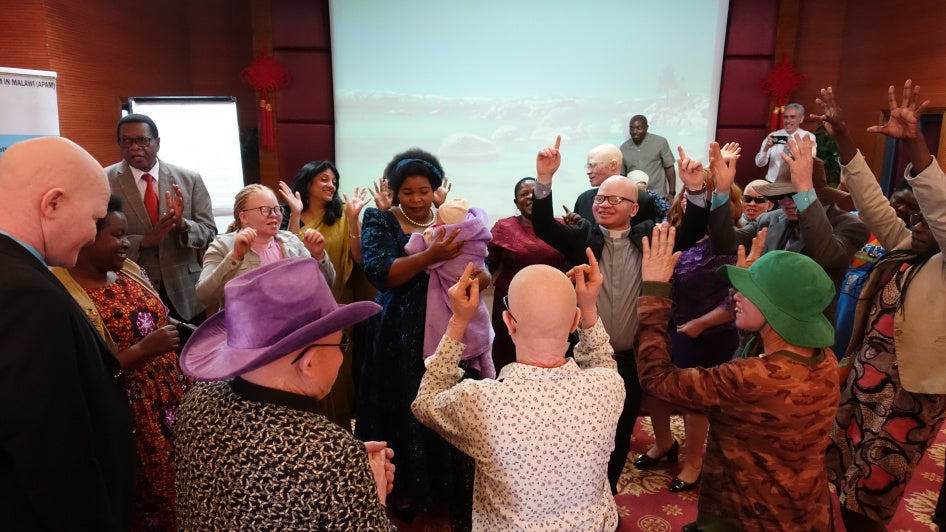
As Lazarus performed his songs urging people to reject discrimination, Malawi’s minister of gender, children, disability and social welfare walked to the front and began to dance. Others joined her, including a mother and her young daughter, both with albinism. The minister lifted the child in her arms and danced with her. Soon, half the room was on its feet.
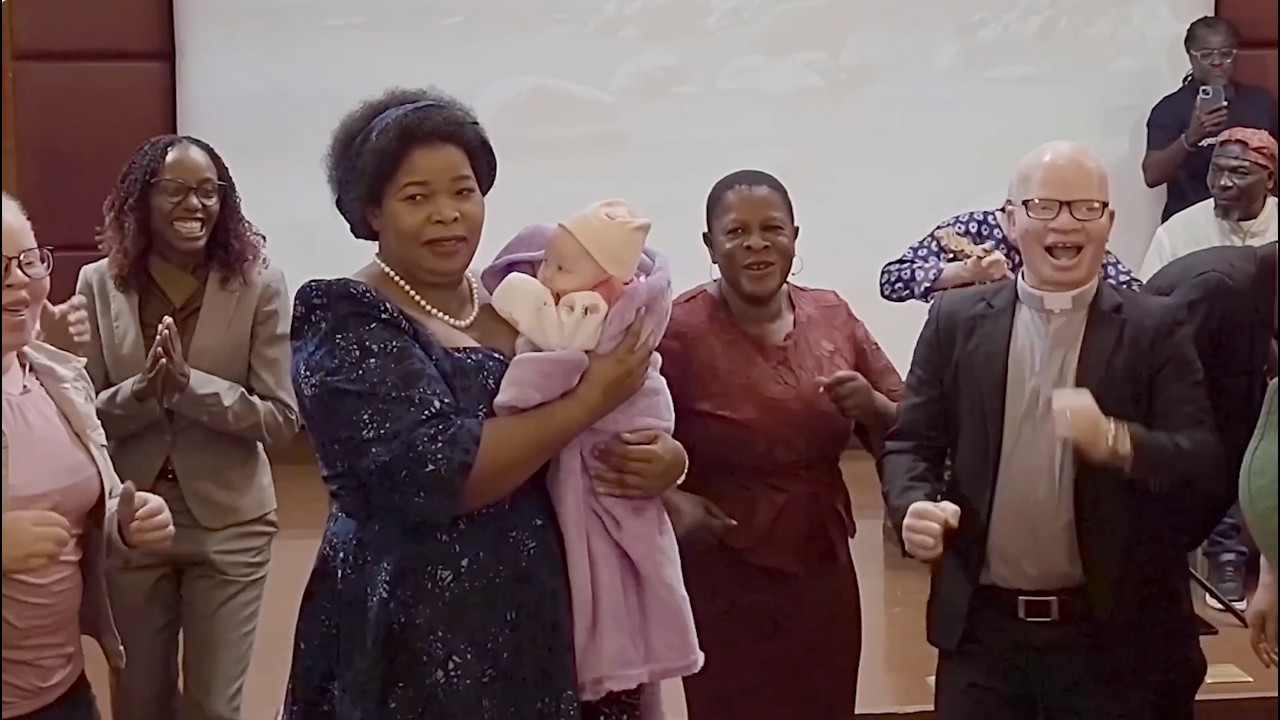
Everyone was welcome on the dance floor. For a moment, the barriers that people with albinism confront every day seemed to fall away. People with and without albinism danced together, participating on equal terms and sharing the same space with joy and dignity. It was a glimpse of the kind of Malawi that people with albinism have long demanded, one where they can participate, contribute, and belong on an equal basis with others.
However, the reality documented in our report is very different.
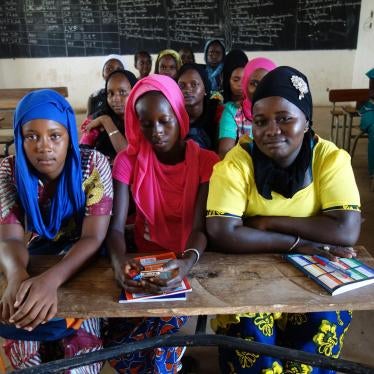
People with albinism face barriers to education, finding work, and belonging in their communities, driven by stigma, misconceptions, and a lack of reasonable accommodations and support. Women with albinism described how harmful myths and gendered superstitions can increase their risk of sexual violence. Because they face widespread discrimination and violence, many people with albinism live with constant fear, which leads them to limit their movements and turn down work opportunities. We shared our findings and recommendations with Malawi’s vice president and the minister of gender, who both acknowledged the need for action.
The government should now take concrete steps to eliminate discrimination against people with albinism, including by adequately funding, implementing, and monitoring the revised National Action Plan on Albinism.
The child who danced in the minister’s arms should grow up in a Malawi where everyone belongs.