Read a text description of this video
Soundbite: I cannot live without fear because discrimination is very widespread here in Malawi against us, people with albinism.
Soundbite: We walk around in fear, especially when we are in public places because, according to the beliefs people have, if they take our bones, they will become rich. We worry that someone might kill us to remove our bones.
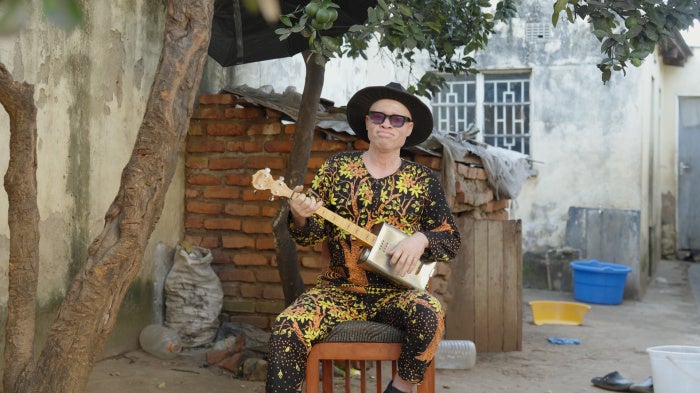
Soundbite: When I sing, I feel free.
Lyrics: Say no to corruption and discrimination, we must avoid it my neighbors.
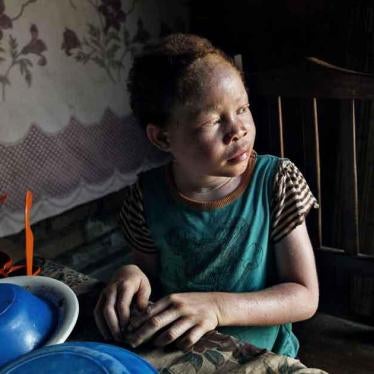
Text: In Malawi, roughly 135,00 people have albinism, a genetic condition that results in little or no melanin pigment in the skin, hair, and eyes, low vision, and extreme sensitivity to the sun.
Text: Deeply rooted myths about people with albinism have fueled discrimination, killings, sexual violence, and abductions in Malawi.
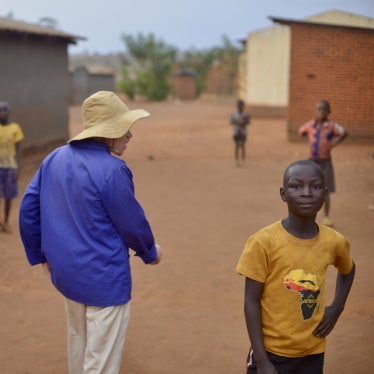
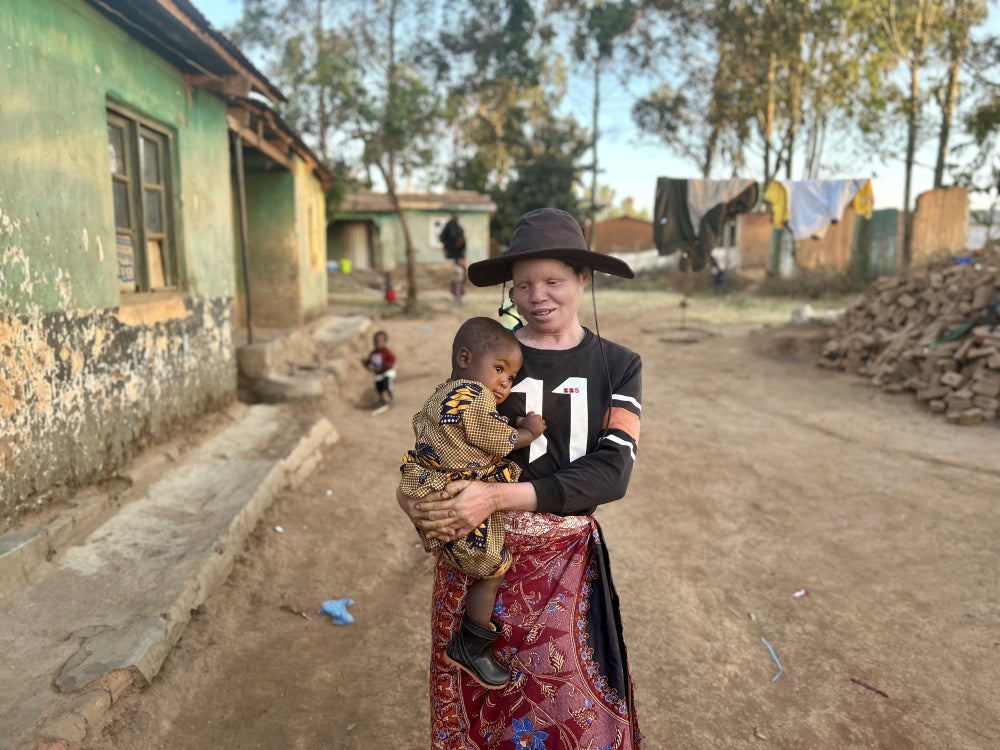
Soundbite: My original name was Eliphala. I was taken to do farmwork, and each time I came back home my whole body was covered in sores and wounds. Despite applying sunscreen on me, it never got better. So, the elders changed my name to Lazarus, the one with sores.
Title: Lazarus Chigwandali, Musician
Soundbite: I grew up disadvantaged, with a very difficult life, because many people did not understand that I was a human being just like them. Some people treated me like a monster, others would say words that were humiliating.
Soundbite: I did not continue school because I experienced several problems. I could not see clearly. I tried asking my friends for their notebooks. I would stand right in front of the blackboard near where they were writing because I could not see clearly.
Soundbite: So, I used to spend a lot of time with my sibling. I made simple guitars with water jugs, and started singing with my late brother, Petro. He kept encouraging me to focus on singing. He said if you focus on singing, you develop practical skills, and you can become independent.
Soundbite: Me personally, I persist because that is how it is, and that is my future. And also to find something to feed my family.
Soundbite: I used to be a teacher at a private school. I worked there for some time, but I left that job because of the long distance I had to travel. Also, the salary I was receiving was low, and whenever I went to work, I struggle a lot because of the sun, and it was burning me on my way to and from work.
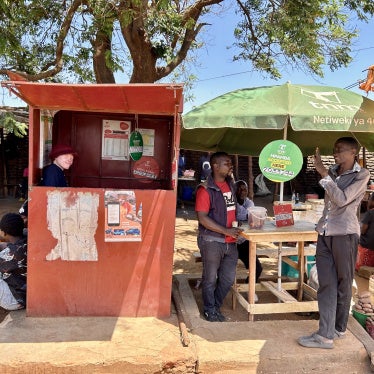
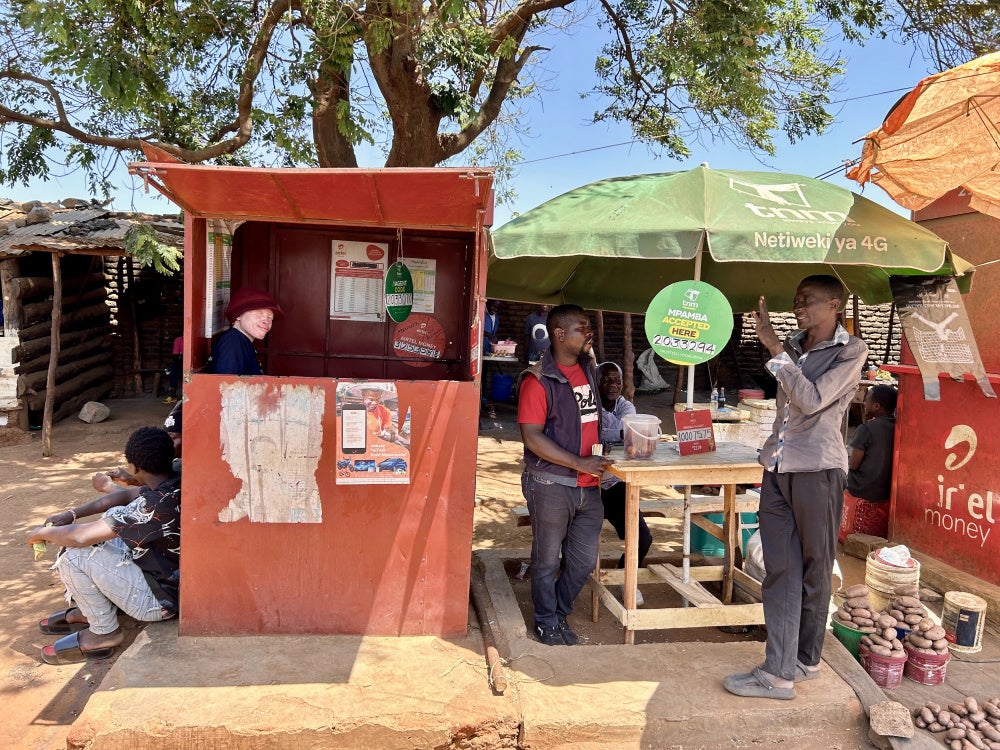
Title: Maureen Kamatu, Self-Employed
Soundbite: So, I decided that it was better for me to leave that job. I realized that just staying idle would not help me, it would be better for me to start my own business.
Soundbite: Because a life of just sitting around, especially for someone like me who was born with albinism, is not possible. I need to earn money so I can buy things like an umbrella for protection from the sun.
Soundbite: At work, there are always challenges, you know how people are. Some people just look at you and make assumptions about you, especially when they see that you were born with albinism. Because you were born different, some people assume you cannot help them, so they go to other shops. But when they don't get help there, they eventually come back after realizing that you serve people well.
Title: Margret Ganizani
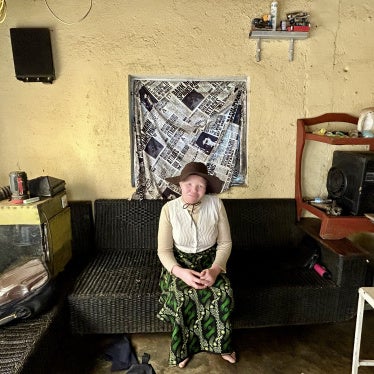
Soundbite: Mika, let’s eat Nsima.
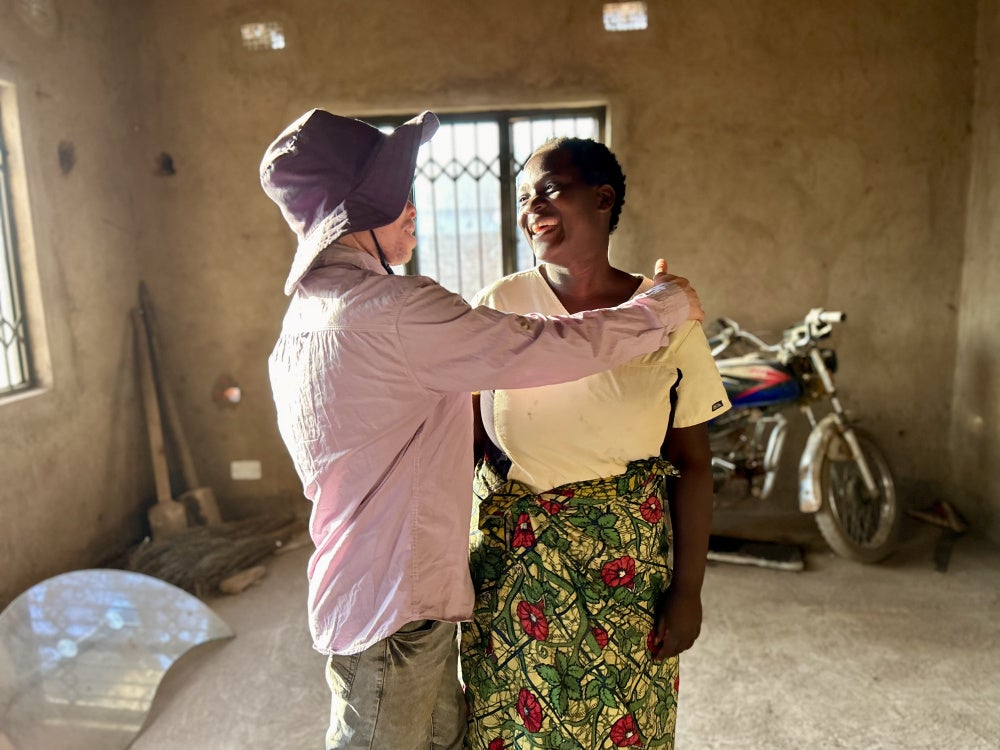
Soundbite: Some people mocked me in the beginning when he came to propose to me. When he came to propose, people laughed a lot, asking things like, "Am I cursed? Someone like this coming to ask for marriage from me?” I thought about it and asked myself: when they say "a person," what exactly do they mean? Just because of his appearance, is he not a human being? But I did not look at who he was or what kind of skin he had. I simply said that what I wanted from him was love, that's all.
Soundbite: I didn't believe I would ever have a loving wife like Margret. She truly has a calm heart full of love for me. This is what gives me strength.
Title: Idrisa Yusugu, Construction worker
Soundbite: For me, living with albinism gives me worries, especially in my daily life. My concern is how I can get the things I need to support my family.
Soundbite: When he goes out to look for work, he faces many challenges. When the practice of hunting people with albinism ends, my worry ends.
Soundbite: When I went to ask for a job at a construction site, they refused me, saying, "We cannot give you this job." When I asked why, they said it was because I have albinism, that I would not be able to do the work.
Soundbite: At the same time, another person with dark skin was also applying for the same job, and they hired him. From that, I saw how we, people with albinism, are discriminated against in ways like this.
Soundbite: At last, we have lit it. Oh, it’s definitely lit.
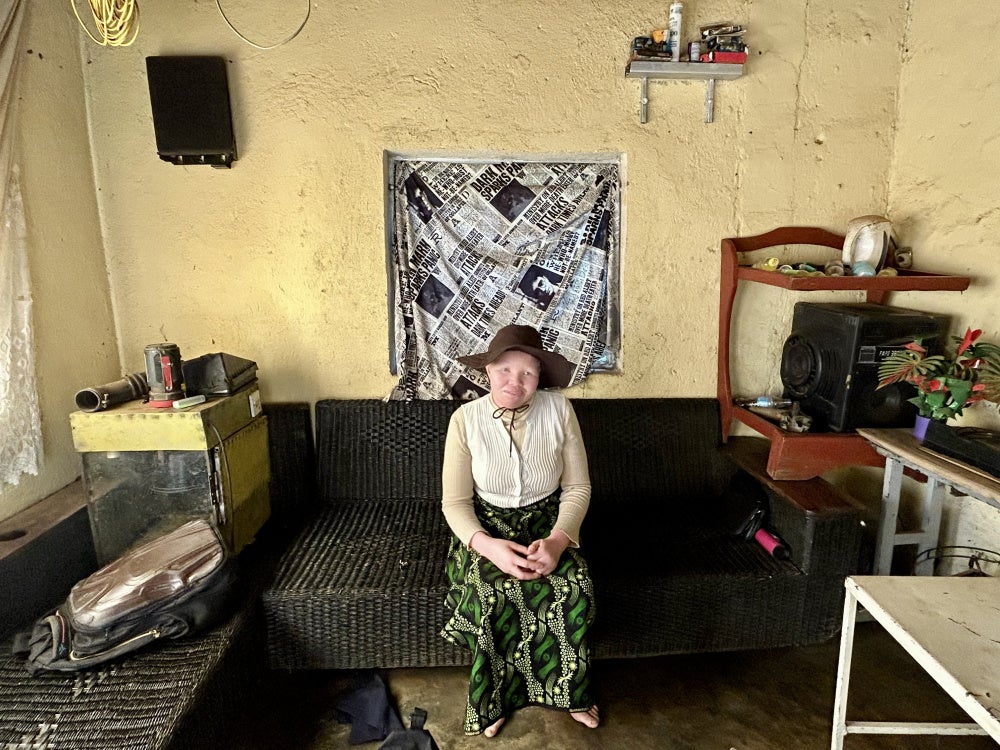
Soundbite: This house where I am living now is not mine. I am just watching over it for the owners while they finish building it. When it is finished, we will have to move out. As for me, what I want is for my family, I want us to have our own place, our own house. Because the kind of life of living in other people's houses, just staying temporarily like this, is not a good life.
Text: Lazarus
Soundbite: What I want in my life is that children with albinism should be able to access reading glasses so they can see the blackboard, because I failed to complete school at that time because I could not see the board.
Soundbite: Everyone has the ability to contribute to the development of this country in different ways. A person with albinism truly has the ability to do anything.
Text: Idrisa
Soundbite: I believe everyone has value, and I won't let people's discrimination destroy my business. I chose to continue so they can see that I am capable, just like anyone else, despite differences in skin.
Text: Maureen
Soundbite: We can do any kind of work, whether in an office or manual labor, as long as there are appropriate tools and conditions that enable us to work.
Soundbite: I would like to see a time in Malawi when we have a president with albinism, especially a woman, because I believe things could change.
Lyrics: Say no to corruption and discrimination, we must avoid them in the workplace. Say no to corruption and discrimination, we must avoid them in organizations. Say no to corruption and discrimination, we must avoid them in churches. Say no to corruption and discrimination, we must avoid it, my neighbors.
• People with albinism in Malawi face discrimination in hiring, education, and access to social security.
• Fear of violence, stigma, and lack of workplace accommodations undermine safe and dignified work.
• Government should strengthen implementation of disability rights protections and expand inclusive employment.
(Nairobi) – People with albinism in Malawi face discrimination in employment, barriers to education and social protection, and ongoing insecurity linked to harmful myths and past attacks, Human Rights Watch and the African Albinism Network said today in a joint report. The report was released ahead of International Albinism Awareness Day on June 13, 2026.
The 65-page report, “‘I Just Want to Work Without Fear’: Discrimination and Violations of the Right to Work for Persons with Albinism in Malawi,” documents how stigma, discrimination, fear of violence, and lack of reasonable accommodation undermine the rights of people with albinism to work, education, health and social security.
“People with albinism in Malawi are being denied equal access to work because of discrimination, stigma, and fear,” said Elizabeth Kamundia, disability rights director at Human Rights Watch. “The government has taken important legislative and policy steps, but without implementation and funding, many people with albinism will continue to face exclusion, poverty and insecurity.”
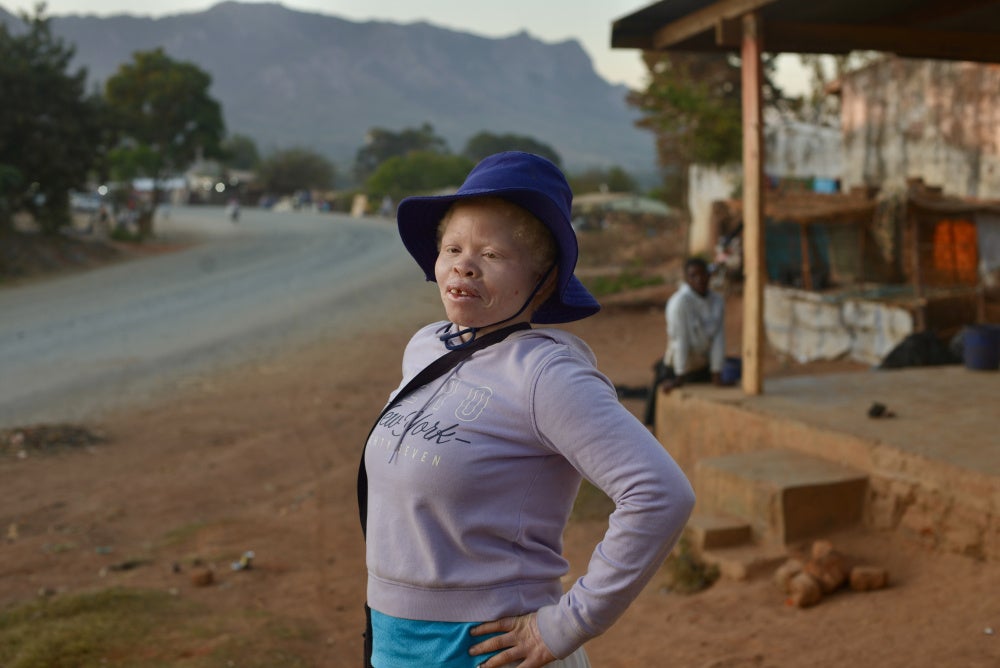
The groups interviewed 96 people between October 2025 and April 2026, including 80 people with albinism, across 9 districts in Malawi. Researchers also reviewed national legislation and policies and reports, including from the United Nations and the World Bank. Human Rights Watch and the African Albinism Network presented preliminary findings and recommendations to government officials and other stakeholders in May.
In Malawi, an estimated 134,600 people have albinism, a genetic condition characterized by reduced or absent melanin, often resulting in low vision and extreme sensitivity to ultraviolet radiation. Across sub-Saharan Africa, people with albinism are at significantly heightened risk of skin cancer. In Malawi and elsewhere in the region, harmful myths and beliefs about albinism have fueled killings, abductions, sexual violence, and grave desecrations.
Although reported attacks against people with albinism have declined in recent years, the legacy of violence continues to shape their daily life. Many people interviewed said they limit their movement, avoid isolated areas, or avoid certain work opportunities—particularly those involving travel or isolated working conditions—because of fear. In some communities, people with albinism are referred to as “money,” reflecting the belief that their body parts can be sold for profit. People interviewed described routine verbal abuse and harassment in public spaces, workplaces, and markets.
“When you send in your application, they don’t know you have albinism,” said Rose M., whose full name is withheld for her privacy. “When you show up for the interview, the facial expressions tell you everything. When I walked into the boardroom, I heard gasps.”
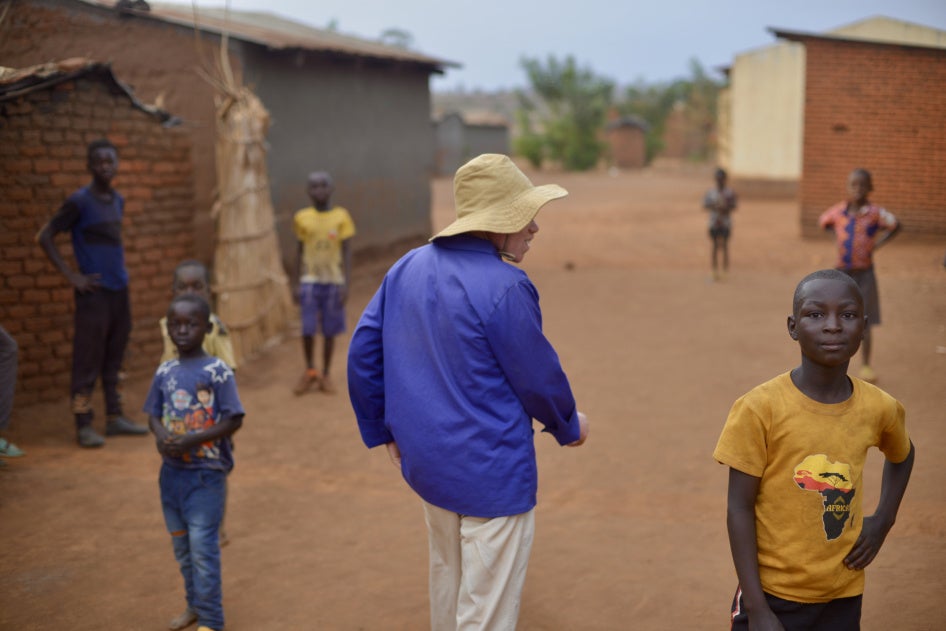
Discrimination begins early, researchers found, although some progress has been made to improve inclusion in education. Children with albinism face bullying and inaccessible learning environments. While Malawi has expanded measures such as providing large-print materials for national examinations, many students lack adequate support in everyday learning environments. These barriers contribute to high dropout rates.
As adults, many people with albinism reported being denied jobs after employers saw their appearance, excluded from public-facing roles, or rejected based on assumptions that they were incapable, fragile, or a liability. Employers frequently failed to provide reasonable accommodations such as sunscreen, protective clothing, large-print materials, or adjusted work schedules.
Together, these barriers drive economic and social exclusion and high rates of poverty for people with albinism, affecting their health as well as education and employment.
Nearly 88 percent of people in Malawi live in rural areas, where formal employment opportunities are limited and many people, including people with albinism, rely on subsistence farming and informal labor for incomes. For people with albinism, prolonged exposure to the sun can cause severe skin damage and increase the risk of skin cancer. Several people interviewed described continuing to work outdoors in unhealthy or unsafe environments despite serious health conditions because they had no alternative source of income.
Researchers also found that many people with albinism struggle to access social security programs, including cash transfers and agricultural subsidies. Some said community leaders excluded them from assistance programs because of misconceptions that they already receive support from government or aid organizations.
The findings are consistent with research by the Malawi Human Rights Commission, disability rights organizations and UN human rights bodies.
Women and girls with albinism face compounded discrimination linked to gender, disability, and albinism. People interviewed described heightened risks of sexual violence, harassment, abandonment, and economic dependence, all of which undermine their participation in work and public life.
Malawi’s legal framework includes strong protections on paper. The 2024 Persons with Disabilities Act prohibits discrimination in employment and guarantees reasonable accommodation, equal pay for work of equal value, and inclusive workplaces. Malawi also adopted a new National Disability Policy in 2025 and is expected to release a strengthened National Action Plan on Persons with Albinism later in June.
However, implementation remains weak. Human Rights Watch and the African Albinism Network found limited awareness of the law among officials, insufficient funding, lack of implementing regulations, and weak enforcement mechanisms.
The Malawian government should fully implement and adequately fund the National Action Plan on Persons with Albinism; strengthen enforcement of antidiscrimination protections; expand access to inclusive education, vocational training, and social protection; and ensure meaningful participation of people with albinism in decision-making.
“People with albinism in Malawi do not want charity or pity: they want equal opportunity, safety, dignity, and a sense of belonging, along with the chance to work without fear,” said Bonface Massah, executive director at the African Albinism Network. “The government, employers, and communities all have a role to play in dismantling stigma and ensuring that persons with albinism can fully participate in society on an equal basis with others.”
Selected Quotes
“In the community, I’ve been called many things, including ‘not human,’ ‘where do you come from?’ and ‘stupid.’ I walk in the community with fear. If they say these things to my face, what do they hold in their heart against me? I don’t know what else they will do to me.… I am afraid that I might be attacked, beaten up, or even killed. The fear keeps my movements close to home. I feel anxious when I go further. I just want to work without fear.”
— Mphatso C., 19, Dedza district
“The climate is so hard for persons with albinism, especially women. I had to farm under the sun because I had kids to feed and had no choice.”
— Chinsisi Gama, tailor from Dowa district
“People are happy to contact me when they see my artwork, without seeing me. The moment they meet me … they immediately have second thoughts, and they begin to doubt my capabilities.”
— Smart Vinti, graphic designer, Blantyre