Lire la version en français / Hier auf Deutsch lesen / Lea la versión en español
Sudan’s domestic conflict is being fought with weapons supplied internationally.
The two main warring parties – the Sudanese Armed Forces (SAF) and the Rapid Support Forces (RSF) – have both been responsible for widespread war crimes and other atrocities in the war that’s been raging in Sudan since April last year. And both have freshly acquired modern, foreign-made weapons and military equipment.
A couple weeks ago, we highlighted how the warring parties were not hiding their atrocity crimes but rather openly broadcasting them on social media. The same is true for their newly obtained weapons.
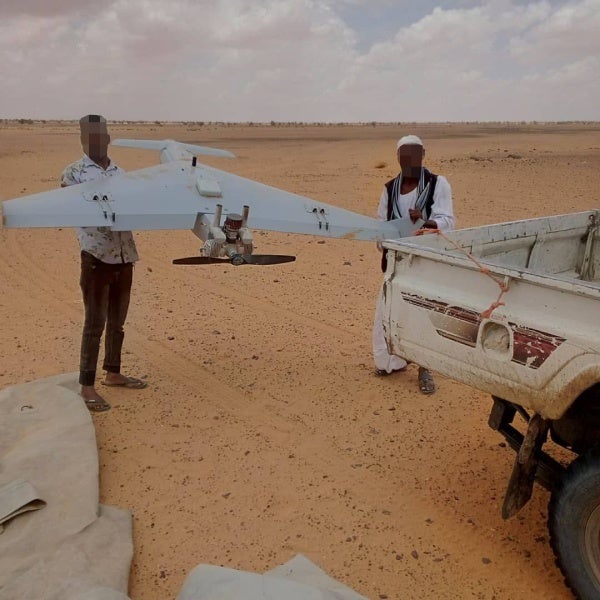
New research looks at photos and videos posted on the social media platforms Facebook, Telegram, TikTok, and X (formerly known as Twitter). Most were seemingly filmed by fighters themselves, from both sides. The apparently new equipment includes armed drones, drone jammers, anti-tank guided missiles, truck-mounted multi-barrel rocket launchers, and mortar munitions.
The newly identified weapons – not previously known to be in the hands of Sudanese actors – were produced by companies registered in China, Iran, Russia, Serbia, and the United Arab Emirates (UAE). How the warring parties obtained them exactly is unknown, but evidence suggests it was likely recently acquired after the start of the current conflict in April 2023.
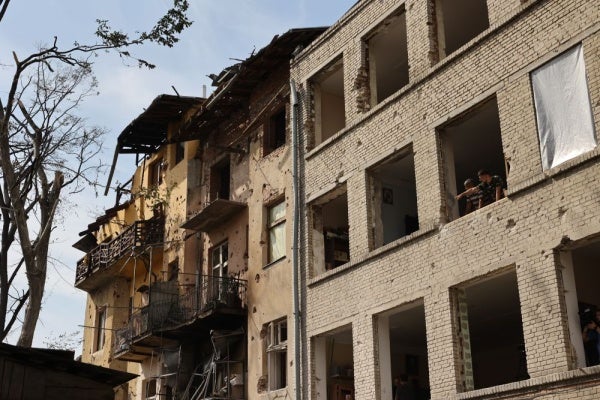
This is, to say the very least, hugely irresponsible given the gravity of the conflict and the severity of the horrors that have been happening in Sudan. Countless civilians have been killed, millions have been internally displaced, and millions face famine. The SAF and the RSF may use these new weapons and equipment to continue to commit atrocities.
In fact, it may have already happened. Two verified videos filmed by drones and posted on pro-SAF social media accounts show the drones attacking unarmed people in civilian clothes in the area of the capital, Khartoum.
There is a partial arms embargo on Sudan, but it only prohibits the transfer of military equipment to the western region of Darfur. The UN Security Council established this embargo in 2004, when Darfur was embroiled in an earlier atrocity-ridden conflict.
The arms embargo has had problems since the beginning – the governments of Belarus, China, and Russia have violated the embargo for years – but the “Darfur-only” side of it makes no sense at all today, in the context of a conflict affecting most of Sudan’s federal states.
UN Security Council members have an opportunity to close this out-of-date loophole on Wednesday, September 11, when they are expected to discuss the renewal of Sudan sanctions. The idea faces opposition, not least from the Sudanese government, which wants to scrap the embargo altogether.
But if Security Council members put Sudan’s millions of victims first, what they should do is obvious.