US Expulsions of Third-Country Nationals to Countries in Africa
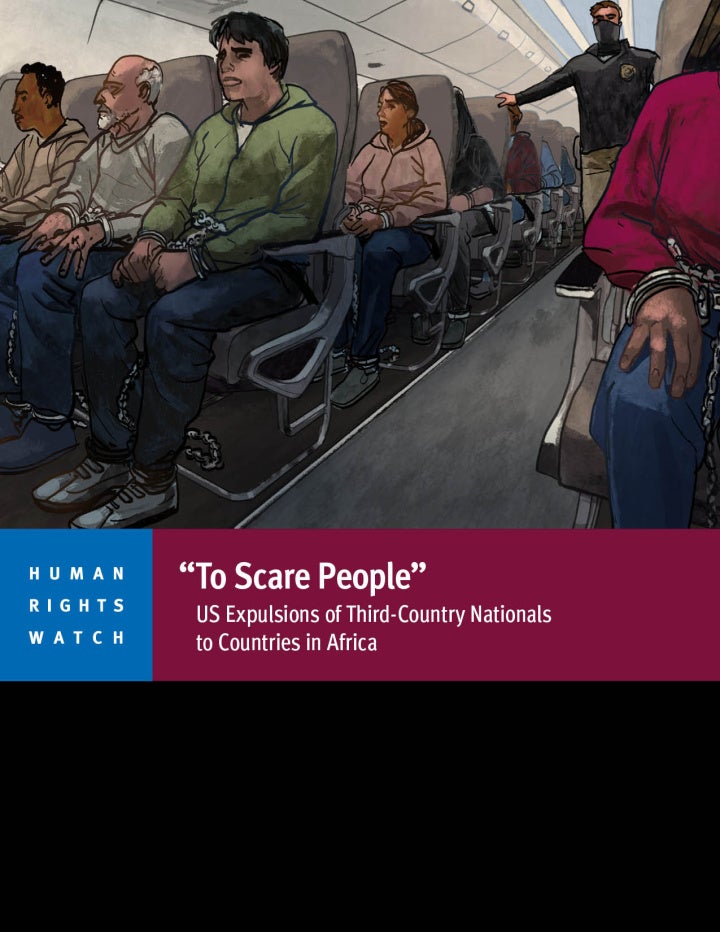
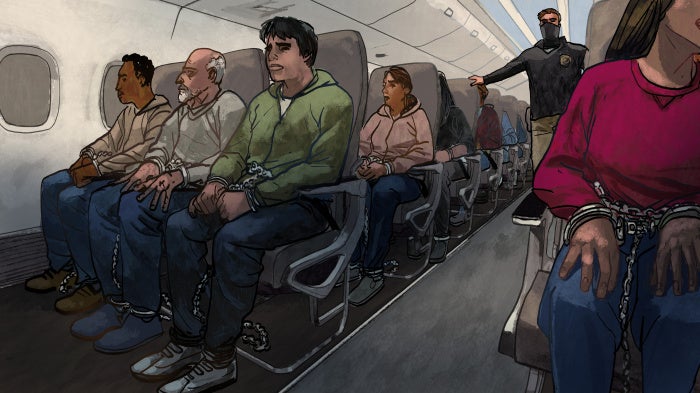
The 125-page report, “‘To Scare People’: US Expulsions of Third-Country Nationals to Countries in Africa,” documents that US authorities denied the more than 500 people transferred to third countries a meaningful chance to contest their removals or to articulate their fears of being removed to these countries. Some countries arbitrarily detained people they had accepted, and some have sent people onward to the risk of persecution or torture in their home countries, violating the international law principle of nonrefoulement.
Law 975 of 2005 does not contain effective mechanisms to achieve a genuine demobilization and dismantlement of armed groups. At the same time, the Law does not satisfy international standards about truth, justice, and reparation for victims.
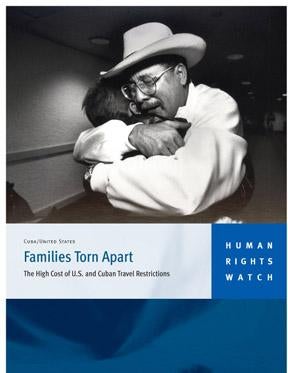
The High Cost of U.S. and Cuban Travel Restrictions
This 69-page report shows how the travel policies of both countries infringe upon the internationally recognized right to freedom of movement, which includes the right to leave and return to one’s own country. In the case of parents and children forced to reside in different countries, the policies also violate the international prohibition on the involuntary separation of families.
This briefing paper provides a concise explanation of human rights concerns arising from the statute of the court created to try Saddam Hussein and others: the Supreme Iraqi Criminal Tribunal (formerly known as the Iraqi Special Tribunal).
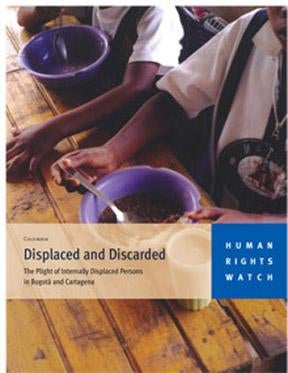
The Plight of Internally Displaced Persons in Bogotá and Cartagena
The families interviewed for this 60-page report described fleeing their homes after receiving threats, being subjected to torture, or seeing relatives or neighbors killed. When they flee their communities and seek shelter elsewhere, they may wait weeks or even months for emergency aid, are often denied medical care, and may be unable to enroll their children in schools.
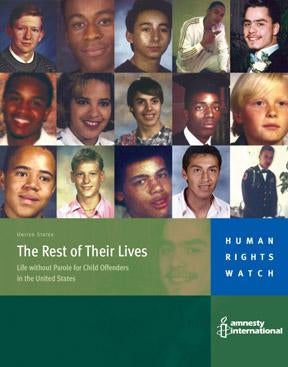
Life without Parole for Child Offenders in the United States
The United States is one of the few countries where a crime committed by a juvenile regularly results in a life sentence without any possibility of parole. This 167-page report documents state and national trends in this type of sentencing and analyzes the race, history and crimes of the young offenders and is a joint project with Amnesty International.
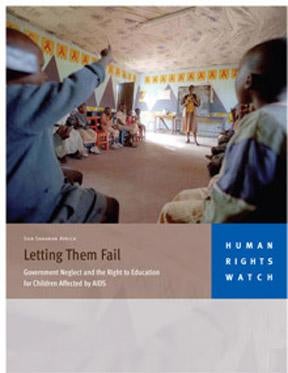
Government Neglect and the Right to Education for Children Affected by AIDS
This 55-page report is based on firsthand testimony from dozens of children in three countries hard-hit by HIV/AIDS: South Africa, Kenya, and Uganda. It documents how governments fail children affected by AIDS when they leave school or attempt to return.
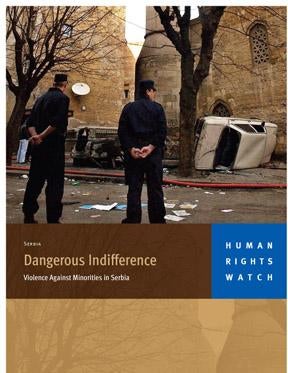
This 52-page report documents a range of crimes against minorities since 2003, including physical assaults, attacks on religious and cultural buildings, and cemetery desecration. The Serbian government’s response to these attacks has been inadequate.
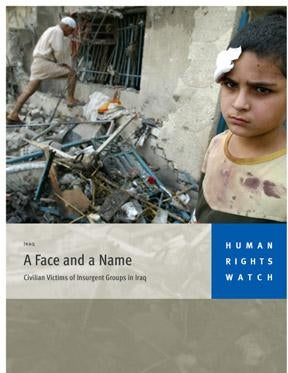
This report is the most detailed study to date of abuses by insurgent groups. It systematically presents and debunks the arguments that some insurgent groups and their supporters use to justify unlawful attacks on civilians.
This briefing paper warns that Liberia’s transition from a near-failed state to a democratic country governed by rule of law cannot be considered complete until there is considerably more progress in several key areas. First, Liberia’s judicial system, which remains plagued by striking deficiencies, must be rebuilt with the help of the international community.
The most brutal U.S.-backed dictator you’ve never heard of—Hissène Habré of Chad—has just been indicted in Belgium on charges of mass murder and torture. His indictment was a decisive breakthrough in a judicial chess game pitting the former central African dictator against a Chadian torture victim and a New York “dictator hunter” at Human Rights Watch.
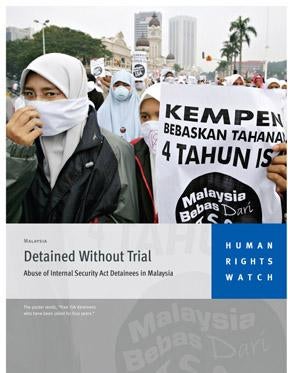
Abuse of Internal Security Act Detainees in Malaysia
This 34-page report is based on interviews with family members of current ISA detainees, their lawyers and handwritten statements of ISA detainees. It documents the physical abuse, ill-treatment and humiliation of more than 25 detainees in Kamunting Detention Center in December 2004. None of these detainees have been charged or tried.
Firsthand Accounts of Torture of Iraqi Detainees by the U.S. Army's 82nd Airborne Division
This report provides soldiers' accounts of abuses against detainees committed by troops of the 82nd Airborne stationed at Forward Operating Base Mercury (FOB Mercury), near Fallujah.
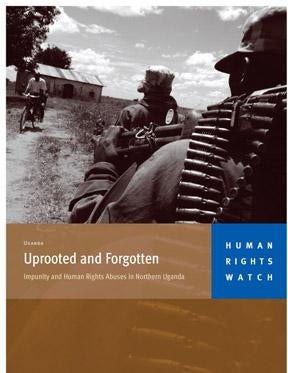
Impunity and Human Rights Abuses in Northern Uganda
This 76-page report documents how the ongoing lack of accountability and civilian protection in the north has fueled atrocities by both sides. In each of the displaced persons camps visited, Human Rights Watch found cases of abuse by Ugandan government forces as well as rebel combatants.
In September 2003 and September 2004, Human Rights Watch argued for partial or total suspension of tariff benefits when we submitted Andean Trade Preferences Act (ATPA) petitions to the Office of the U.S. Trade Representative (USTR). In those petitions, we detailed Ecuador’s failure to meet the ATPA and ATPDEA workers’ rights criteria.