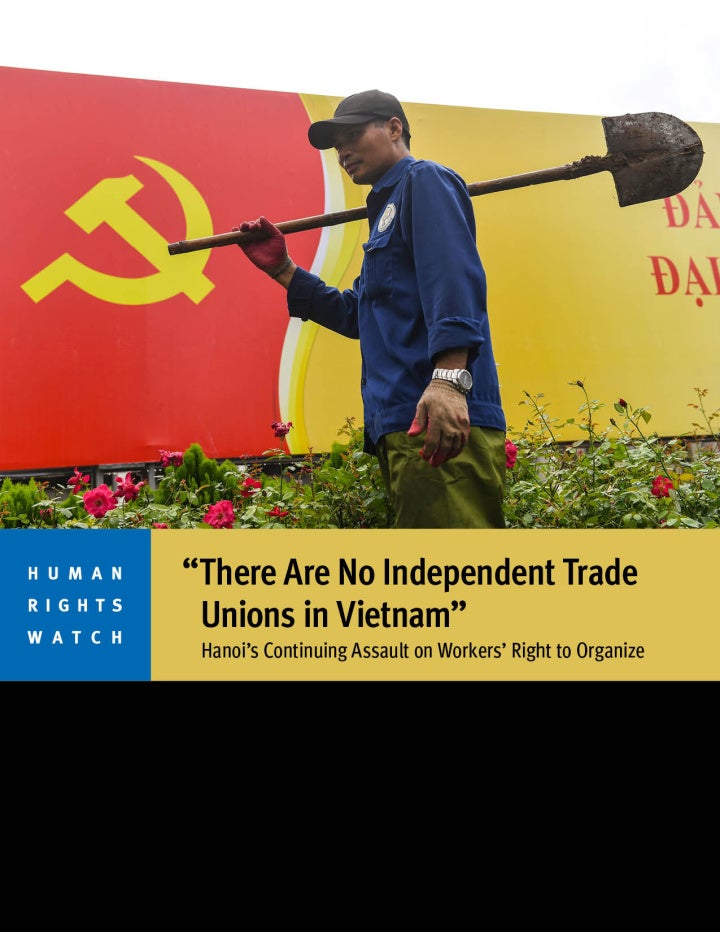
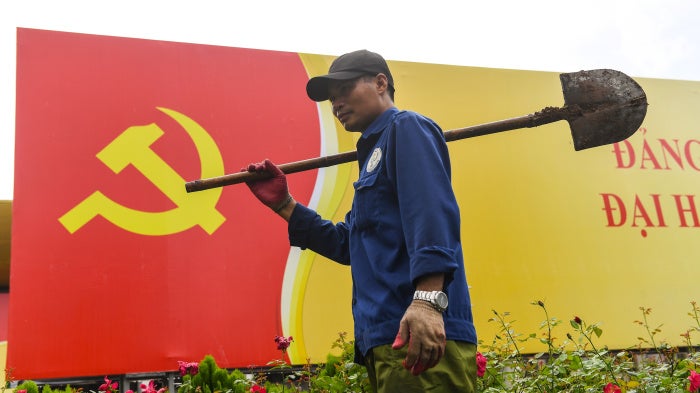
Hanoi’s Continuing Assault on Workers’ Right to Organize
The 49-page report, “There Are No Independent Trade Unions in Vietnam: Hanoi’s Continuing Assault on Workers’ Right to Organize,” documents the Vietnamese governments’ continuing useof vague, overbroad criminal laws to suppress the activities of human rights and labor rights defenders, while maintaining an atmosphere of repression to thwart independent labor organizing. The government has issued decrees and articles in state-run media that reaffirm that all labor organizations in Vietnam are under the government’s authority, and portray independent trade unions as dangerous, anti-state entities.
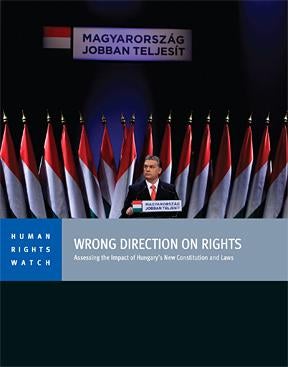
Assessing the Impact of Hungary’s New Constitution and Laws
This 29-page report analyzes the new constitution and laws and their negative effects on human rights and the rule of law. It shows how the government has largely ignored criticism from the EU and the Council of Europe and, through further constitutional changes, sought to reverse binding rulings by Hungary’s Constitutional Court upholding fundamental rights.
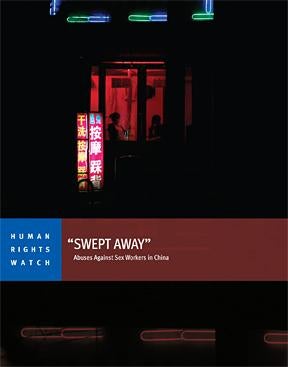
This 51-page report documents abuses by the police against female sex workers in Beijing, including torture, beatings, physical assaults, arbitrary detentions, and fines, as well as a failure to investigate crimes against sex workers by clients, bosses, and state agents.
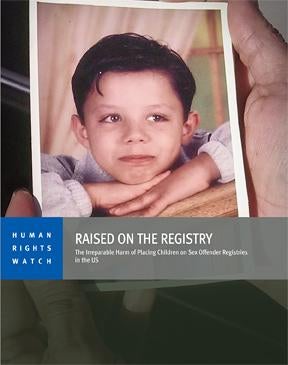
The Irreparable Harm of Placing Children on Sex Offender Registries in the US
This 111-page report details the harm public registration laws cause for youth sex offenders. The laws, which can apply for decades or even a lifetime and are layered on top of time in prison or juvenile detention, require placing offenders’ personal information on online registries, often making them targets for harassment, humiliation, and even violence.
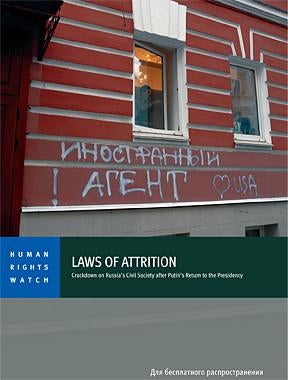
Crackdown on Russia’s Civil Society after Putin’s Return to the Presidency
This 78-page report describes some of the changes since Putin returned to the presidency in May 2012. The authorities have introduced a series of restrictive laws, begun a nationwide campaign of invasive inspections of nongovernmental organizations, harassed, intimidated, and in a number of cases imprisoned political activists, and sought to cast government critics as clandestine enemies.
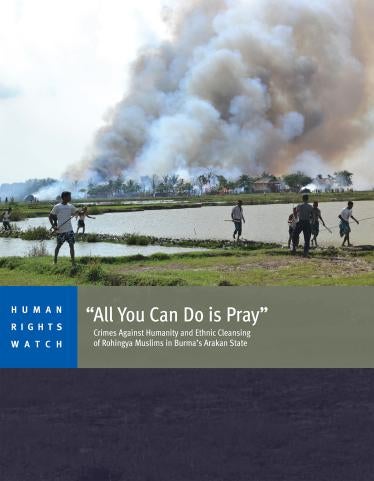
Crimes Against Humanity and Ethnic Cleansing of Rohingya Muslims in Burma’s Arakan State
This 153-page report describes the role of the Burmese government and local authorities in the forcible displacement of more than 125,000 Rohingya and other Muslims and the ongoing humanitarian crisis.
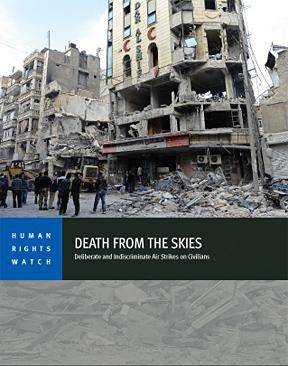
Deliberate and Indiscriminate Air Strikes on Civilians
This 80-page report is based on visits to 50 sites of government air strikes in opposition-controlled areas in Aleppo, Idlib, and Latakia governorates, and more than 140 interviews with witnesses and victims. The air strikes Human Rights Watch documented killed at least 152 civilians.
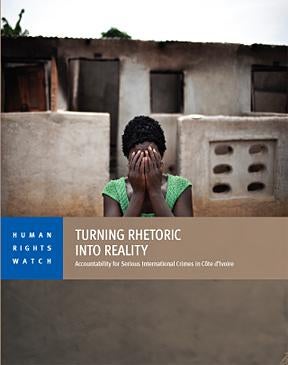
Accountability for Serious International Crimes in Côte d’Ivoire
This 74-page report analyzes Côte d’Ivoire’s uneven efforts to hold to account those responsible for serious international crimes committed following the November 2010 presidential election. Since his May 2011 inauguration, President Alassane Ouattara has repeatedly declared his commitment to bring all of those responsible to account, regardless of political affiliation or military rank.
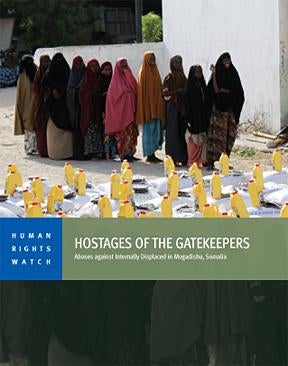
Abuses against Internally Displaced in Mogadishu, Somalia
The 80-page report details serious violations, including physical attacks, restrictions on movement and access to food and shelter, and clan-based discrimination against the displaced in Mogadishu from the height of the famine in mid-2011 through 2012.
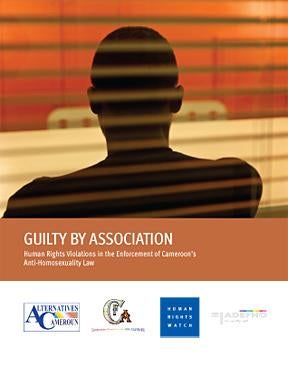
Human Rights Violations in the Enforcement of Cameroon’s Anti-Homosexuality Law
The 55-page report presents 10 case studies of arrests and prosecutions under article 347 bis of Cameroon’s penal code, which punishes “sexual relations between persons of the same sex” with up to five years in prison. The report found that most people charged with homosexuality are convicted based on little or no evidence.
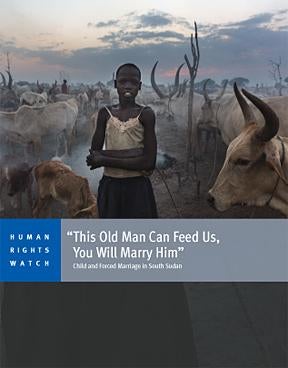
The 95-page report documents the consequences of child marriage, the near total lack of protection for victims who try to resist marriage or leave abusive marriages, and the many obstacles they face in accessing mechanisms of redress.
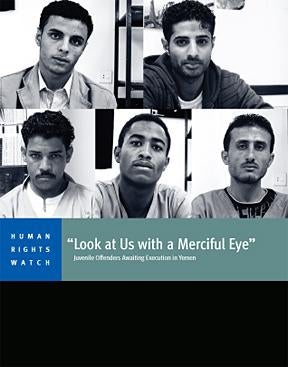
The 30-page report found that at least 22 individuals have been sentenced to death despite evidence that they were under age 18 at the time of their alleged crimes. In the last five years, Yemen has executed at least 15 young men and women who said they were under 18 at the time of their offense.
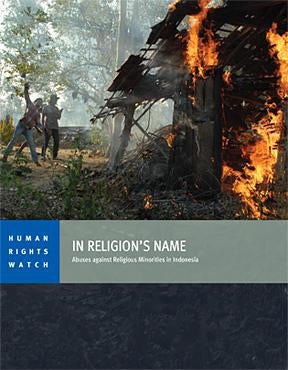
The 107-page report documents the government’s failure to confront militant groups whose thuggish harassment and assaults on houses of worship and members of religious minorities has become increasingly aggressive. Those targeted include Ahmadiyahs, Christians, and Shia Muslims.
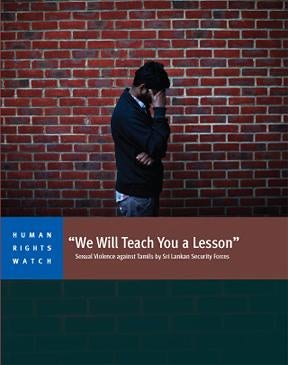
Sexual Violence against Tamils by Sri Lankan Security Forces
The 140-page report provides detailed accounts of 75 cases of alleged rape and sexual abuse that occurred from 2006-2012 in both official and secret detention centers throughout Sri Lanka.
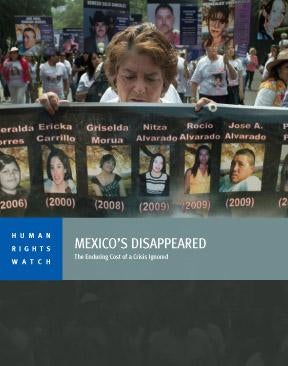
This 176-page report documents nearly 250 “disappearances” during the administration of former President Felipe Calderón, from December 2006 to December 2012. In 149 of those cases, Human Rights Watch found compelling evidence of enforced disappearances, involving the participation of state agents.
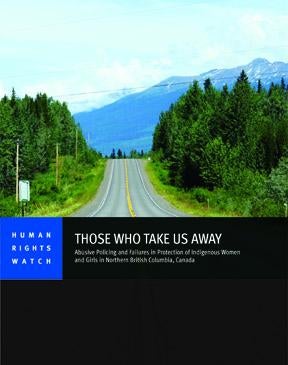
Abusive Policing and Failures in Protection of Indigenous Women and Girls in Northern British Columbia, Canada
The 89-page report documents both ongoing police failures to protect indigenous women and girls in the north from violence and violent behavior by police officers against women and girls. Police failures and abuses add to longstanding tensions between the Royal Canadian Mounted Police (RCMP) and indigenous communities in the region, Human Rights Watch said.