Hanoi’s Continuing Assault on Workers’ Right to Organize
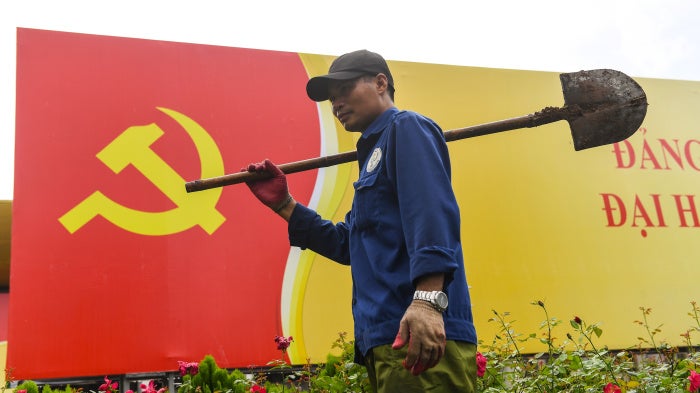
The 49-page report, “There Are No Independent Trade Unions in Vietnam: Hanoi’s Continuing Assault on Workers’ Right to Organize,” documents the Vietnamese governments’ continuing useof vague, overbroad criminal laws to suppress the activities of human rights and labor rights defenders, while maintaining an atmosphere of repression to thwart independent labor organizing. The government has issued decrees and articles in state-run media that reaffirm that all labor organizations in Vietnam are under the government’s authority, and portray independent trade unions as dangerous, anti-state entities.
This 37-page report and <a href="http://youtu.be/AyA3Rg4gFJY">accompanying video</a> document the intimidation and harassment of Crimea residents who oppose Russia’s actions in Crimea, in particular Crimean Tatars, as well as activists and journalists.
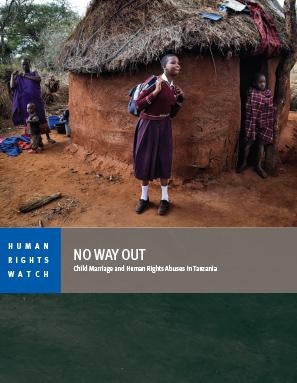
Child Marriage and Human Rights Abuses in Tanzania
This 75-page report documents how child marriage severely curtails girls’ access to education, and exposes them to exploitation and violence – including marital rape and female genital mutilation (FGM) – and reproductive health risks.
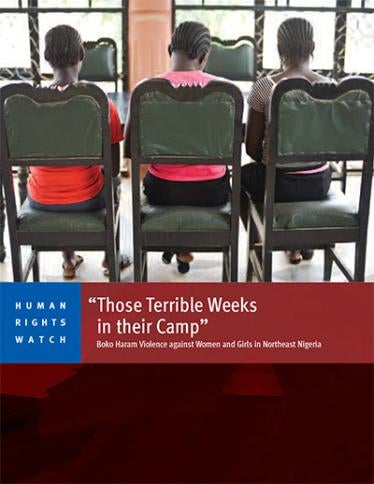
Boko Haram Violence against Women and Girls in Northeast Nigeria
This <a href="http://features.hrw.org/features/HRW_2014_report/Those_Terrible_Weeks_i…; is based on interviews with more than 46 witnesses and victims of Boko Haram abductions in Borno, Yobe, and Adamawa states, including with girls who escaped the April 2014 abduction of 276 girls from Chibok secondary school.
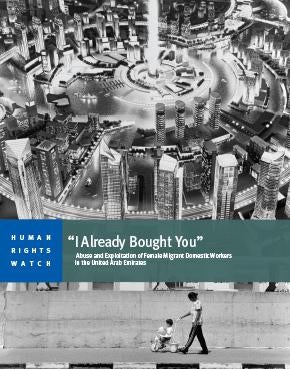
Abuse and Exploitation of Female Migrant Domestic Workers in the United Arab Emirates
This 79-page report documents how the UAE’s visa sponsorship system, known as kafala, and the lack of labor law protections leave migrant domestic workers exposed to abuse. Domestic workers, most from Asia and Africa, cannot move to a new job before their contracts end without the employer’s consent, trapping many in abusive conditions.
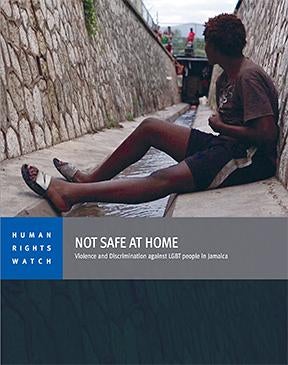
Violence and Discrimination against LGBT People in Jamaica
This 86-page report documents 56 cases of violence in which victims reported they were targeted because of their actual or perceived sexual identity. Human Rights Watch found that police investigations are often inadequate or lacking altogether, in some cases due to homophobia within the police force. Discriminatory laws contribute to the specific vulnerability of LGBT people.
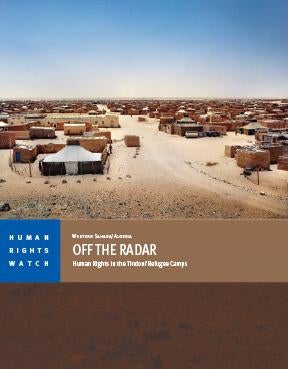
This 94-page report is among the most detailed studies of the subject by an international human rights organization. It is based on interviews conducted during a two-week visit to the camps, as well as interviews conducted elsewhere.
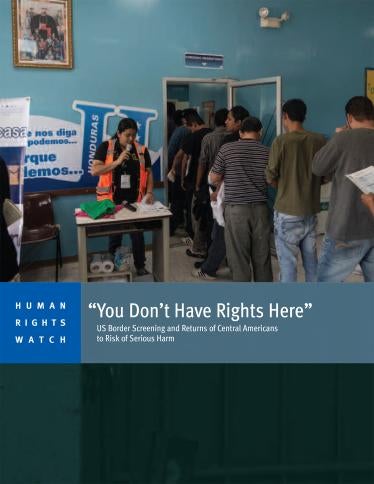
US Border Screening and Returns of Central Americans to Risk of Serious Harm
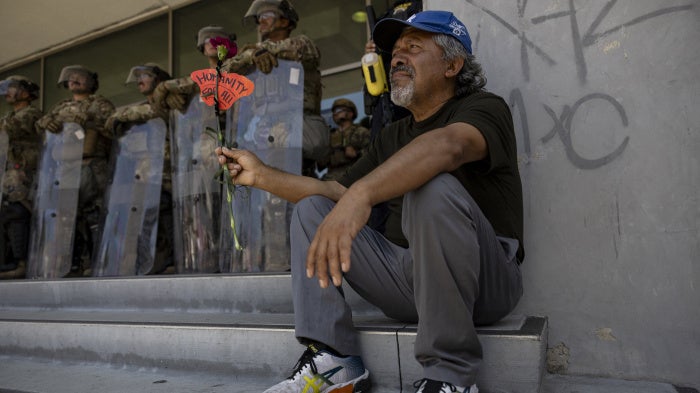
This report details the US border policies and practices that place migrants at risk of serious harm back home, based on the accounts of people sent back to Honduras, people in detention, and an analysis of deportation data obtained through the Freedom of Information Act.
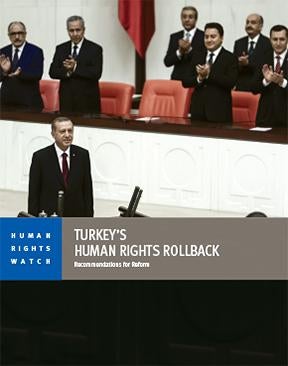
This 38-page report outlines the rollback of human rights and rule of law in Turkey, linked to mass anti-government protests in 2013 and corruption allegations that go to the very heart of the government of the ruling AKP.
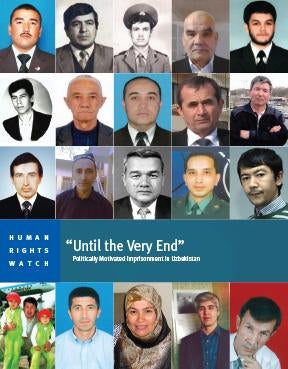
This 121-page report presents disturbing new findings about the treatment of 34 of Uzbekistan’s most prominent people imprisoned on politically motivated charges. They include two of the world’s longest imprisoned journalists and others who have languished behind bars for more than two decades.
The 78-page report documents sexual violence by both government forces and the Communist Party of Nepal (Maoist) combatants during the conflict, which ended with a peace agreement in 2006. Many of these crimes remain unreported, with survivors isolated and unable to find ways to access justice and redress.
This 96-page report highlights cases of police brutality that resulted in deaths and serious injuries of people in custody between August 2010 and July 2014. Human Rights Watch documented abuses in 44 of Vietnam’s 58 provinces, throughout the country, and in all five of the country’s major cities.
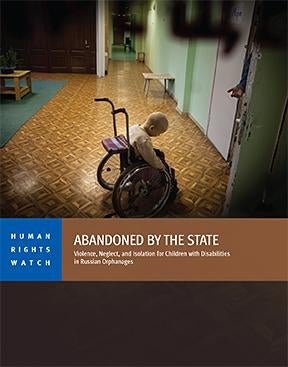
Violence, Neglect, and Isolation for Children with Disabilities in Russian Orphanages
This 93-page report found that many children and young people with disabilities who have lived in state orphanages suffered serious abuse and neglect on the part of institution staff that impedes their development.