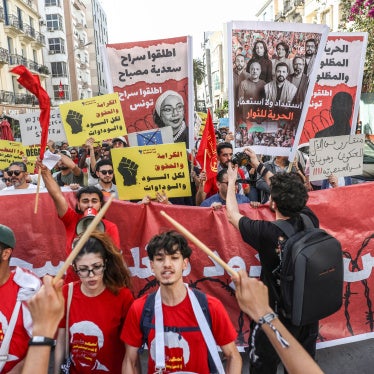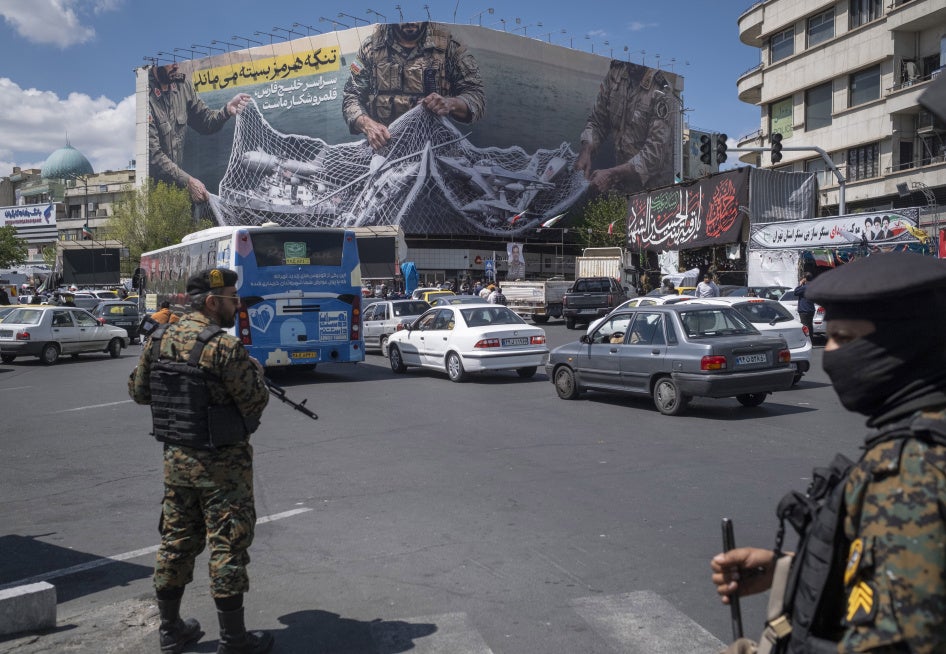
Iran’s authorities executed a young man, Mehdi Khanaki, on July 22. He was the 24th known person arbitrarily executed since March 18 in connection with recent protests.
The number of executions of real and perceived dissidents on vague national security charges has significantly increased. Over the past four months alone, authorities have executed at least 50 people on such charges, including several 18 and 19-year-old teenagers.
These executions are arbitrary under international law. Cases have been characterized by extremely summary proceedings and gross fair trial violations. Proceedings connected to recent protests have ranged between three and six months from arrest to execution.
In many cases, authorities have executed individuals on charges that do not meet the threshold of the “most serious crimes” and on vaguely worded charges such as “waging war on God.” Several men have been arbitrarily executed in recent months over accusations of “espionage” or “collaboration with hostile states,” including based on the new Espionage Law, used by the authorities to further repress the population, especially since the January 2026 massacres.
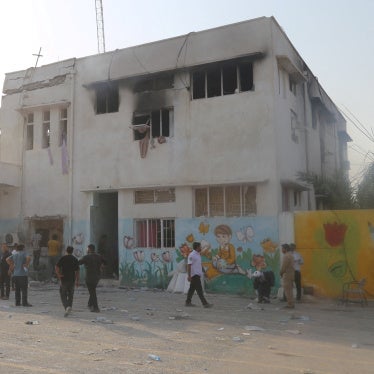
Since the resumption of US-Iran hostilities in early July, authorities have announced several executions on national security charges. Scores of protesters and dissidents remain on death row, with a human rights organization reporting on over 70 protesters under death sentences in one prison alone. It’s a harrowing reminder of the atrocity risks people in Iran face: lethal domestic repression and unlawful military strikes, such as the one that killed scores of children in a primary school in Minab on February 28.
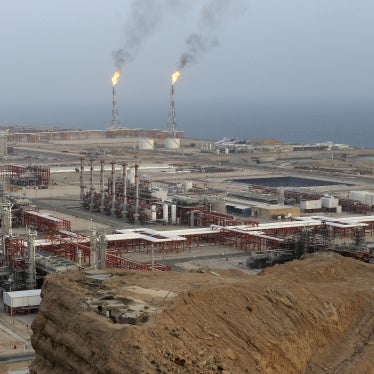
President Trump’s threats, once again, to target infrastructure that may be indispensable to civilian survival have only heightened these concerns.
Fears are also growing for prisoners, especially in southern Iran, where deteriorating conditions are reported, including water and electricity cuts caused and/or exacerbated by military strikes amid extreme heat. Many impacted cities are home to ethnic minorities who already face structural discrimination and marginalization.
Authorities should immediately halt all executions, unconditionally release those arbitrarily detained, and implement regulations allowing for the release or leave of prisoners on humanitarian grounds. Countries with embassies in Iran should press the authorities to establish a moratorium on executions and request to send diplomatic observers to capital trials. All parties to the conflict should abide by the laws of war.