The remarks that led to Malian journalists Chahana Takiou and Abdramane Keïta’s arrests were not extraordinary.
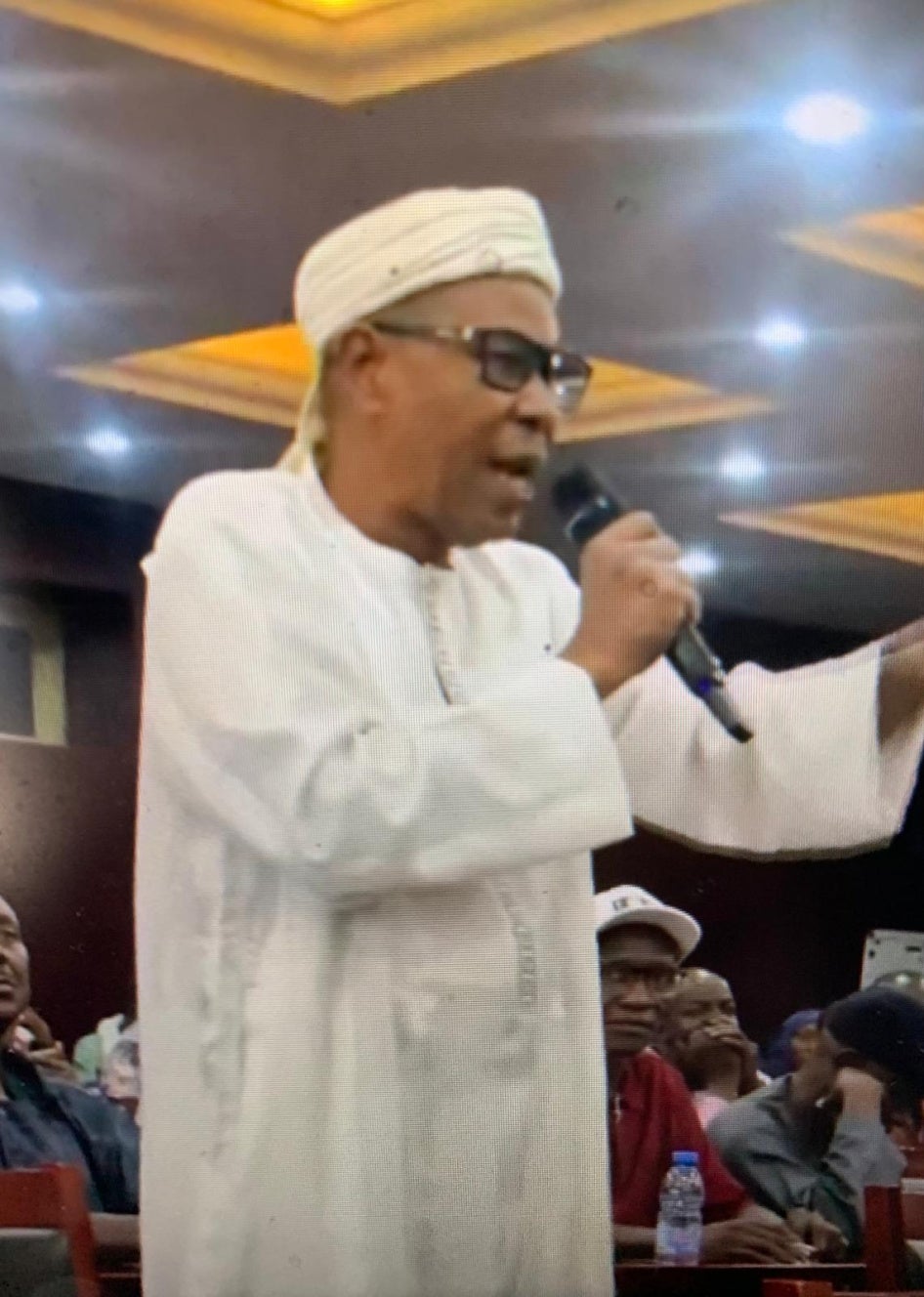
During a Pan-African Media Forum event held from June 3 to 7 in Bamako, Mali’s capital, Takiou, director of the biweekly 22 Septembre, said that he regretted that a fellow journalist was being tried under a cybercrime law instead of the press laws. He was referring to the case of Youssouf Sissoko, editor-in-chief of the weekly L’Alternance, whom authorities arrested in February after he published an article criticizing Niger’s military ruler. A Malian court sentenced Sissoko in June to two years in prison.
Keïta, director of the newspaper Le témoin (The Witness), commented on a recent television show that the Islamist armed group JNIM, the Al-Qaeda-linked Group for the Support of Islam and Muslims, currently controls the northern city of Kidal.
In just two days, a prosecutor attached to the cybercrime unit brought cases against both journalists, charging Takiou on June 8 with “undermining the credibility of the state through the judicial institution,” and Keïta on June 9 with the “offense of a regionalist nature undermining national unity and the credibility of the state,” before sending them topretrial detention. Takiou’s trial is set to begin on July 27, while Keïta’s trial on August 17.
The two journalists’ arrests come amid a worsening human rights situation and growing concern over Mali’s shrinking civic space. Since seizing power in 2020, the military junta has banned media outlets, dissolved civil society organizations, restricted political activity, and targeted journalists, activists, and opposition figures through arbitrary arrests and enforced disappearances.
The recent arrests also starkly illustrate the problem Takiou identified: authorities increasingly use cybercrime legislation to punish peaceful criticism and sidestep the protections that press laws afford journalists. Mali’s 2019 cybercrime law has long drawn criticism for blurring the line between protecting national security and suppressing free expression by criminalizing vaguely defined online “threats” and “insults,” which carry penalties of up to 10 years in prison.
Journalists play a key role in informing the public and scrutinizing state action. The authorities should immediately release Takiou and Keïta and drop charges stemming from their exercise of the right to freedom of expression. The government should ensure that media professionals can work without fear of retaliation.