Last week, Mali’s military junta moved to limit the ability of everyday people to get information from one of the most influential news outlets covering African affairs.
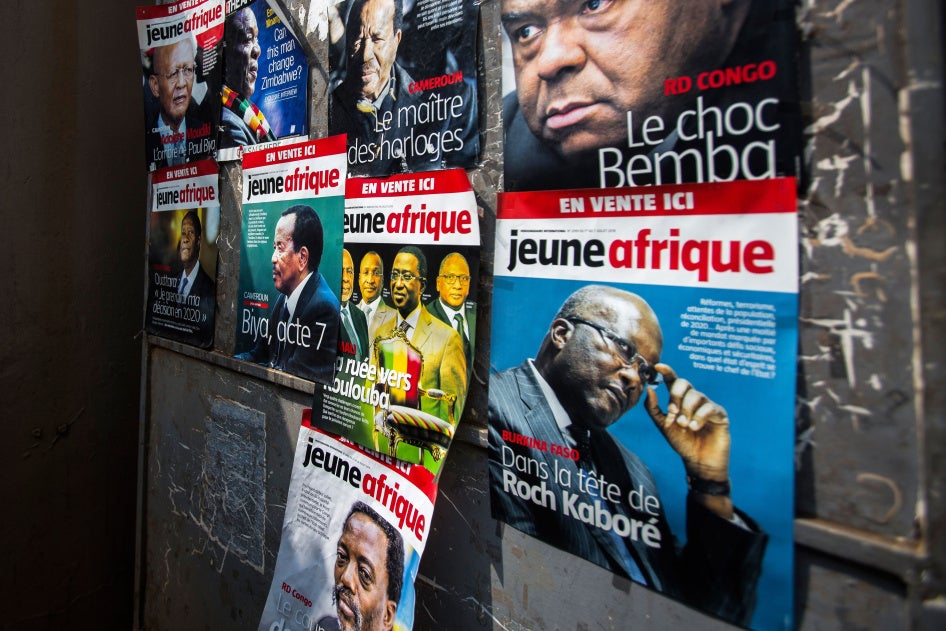
On January 16, the Ministry of Territorial Administration issued a decree banning the circulation and distribution of Jeune Afrique “in all its forms,” citing “the need to preserve public order.” The ministry accused the outlet of “terrorism apology” and “defamation,” as well as for making “baseless accusations” of human rights abuses by security forces of the Alliance of Sahel States (Alliance des États du Sahel, AES), which includes Mali, Burkina Faso, and Niger. The ministry also alleged that Jeune Afrique made “spurious accusations” against Mali over fuel supply disruptions.
Founded in 1960 in Tunis and published in Paris, Jeune Afrique is a widely read weekly news magazine, available in print and online.
The ban follows reporting by Jeune Afrique on Mali’s worsening fuel crisis, including a January 15 article examining why Malian President Assimi Goïta has been unable to resolve fuel shortages amid insecurity and governance failures. Since September 2025, the Al Qaeda-linked Group for the Support of Islam and Muslims (Jama’at Nusrat al-Islam wa al-Muslimeen, JNIM) has laid siege to Mali’s capital, Bamako, and cut off fuel supplies.
Jeune Afrique has extensively reported on military abuses in Mali and Burkina Faso, particularly against ethnic Fulani communities. Human Rights Watch has also documented grave violations against Fulani civilians by Malian armed forces and allied foreign fighters and ethnic militias, including enforced disappearances and summary executions. Jeune Afriqueand Human Rights Watch have also reported massacres of civilians and other abuses by JNIM in Mali.
Mali’s military rulers’ ban on Jeune Afrique is part of a broader campaign to stifle dissent. Since seizing power in a 2021 coup, the junta has suspended media outlets, dissolved civil society organizations, abolished multiparty politics, and pursued criminal cases against critics, eroding freedom of expression and shrinking civic space.
Mali’s authorities should immediately reverse course and restore access to Jeune Afrique. It should cease censorship of independent media and uphold obligations under international human rights law to respect freedom of expression. Denying people the news will not resolve Mali’s multiple crises. As the United Nations Human Rights Committee stated: “Freedom of opinion and freedom of expression are indispensable conditions for the full development of the person. They are essential for any society.”