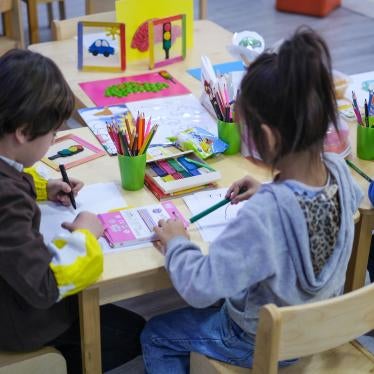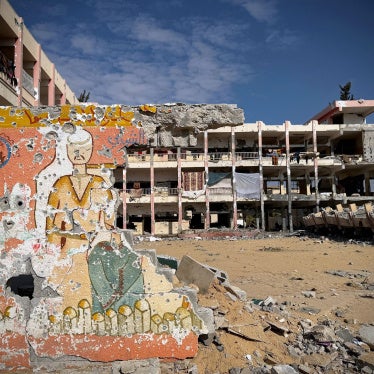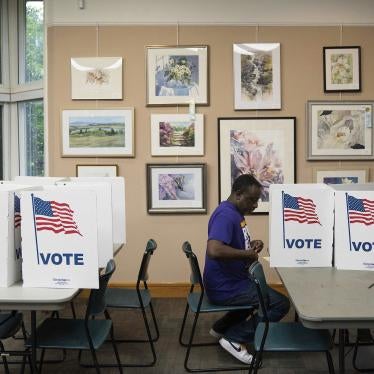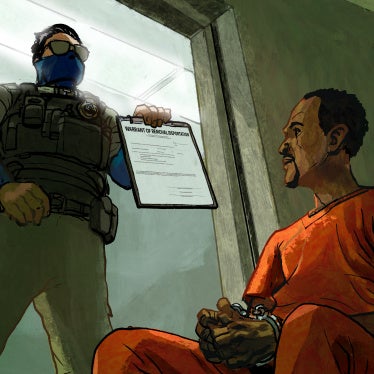
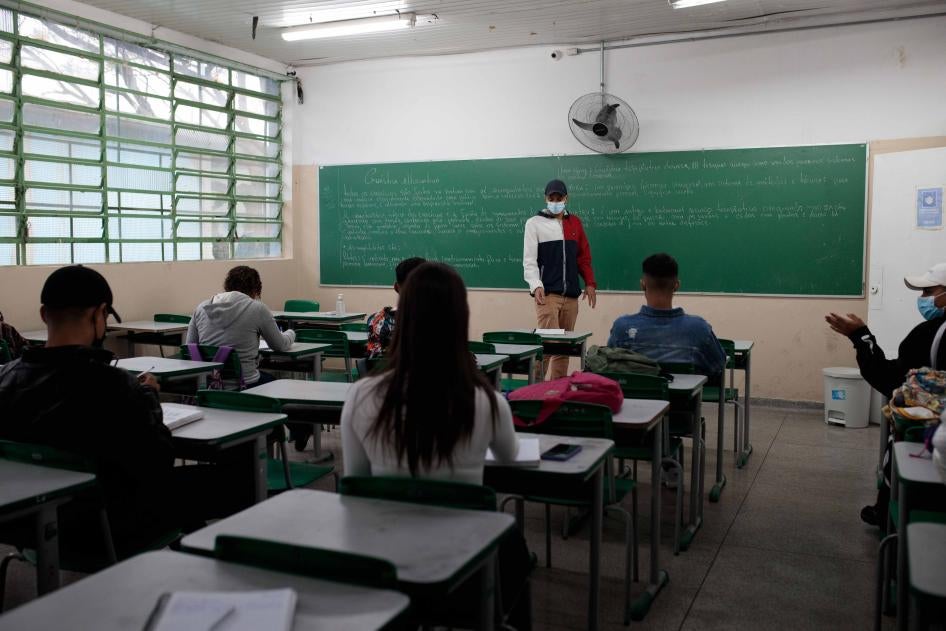
A new UNESCO report illustrates how education can empower children and their communities to access their human rights. It also shows that education and justice can uphold the rule of law in contexts where it’s in decline and where children live in conditions of extreme injustice.
Human Rights Watch has long documented the consequences of restricting teachers’ ability to deliver quality education and effectively teach about justice. Obstructing teachers from teaching human rights, including the right to justice, can harm students. Discriminatory laws censoring school curricula in parts of Brazil and states in the US have created a chilling effect on teachers and limited students’ ability to learn about race, gender, and sexuality. As Human Rights Watch documented in Florida, teachers’ compliance with such restrictions inflicted psychological harm on LGBT students, and resulted in discrimination against Black students through stifling discussion of racism and suppression of Black history education.
Some teachers who continued to teach topics targeted by discriminatory laws have been reprimanded, investigated, or fired; others have faced threats and harassment by parents or their communities. Some have given up teaching as a result, exacerbating teacher shortages.
Providing teachers with inadequate training for tackling sensitive issues in the classroom can also lead to poor outcomes. In Ecuador, inadequately trained teachers and school staff have contributed to re-victimization of child survivors of violence. When teachers are not trained on the importance of teaching issues like sexual and reproductive health, or don’t have institutional support, and so choose to avoid discussing them due to stigma or fear, students are left without the skills and information to recognize sexual violence and report it.
To build fairer and more inclusive societies, governments should invest in teachers to effectively teach about justice and rights, and build the professional capacity of judges, prosecutors, and police officers to uphold children’s rights when violated. Informing children of their rights is a first step; ensuring they have access to justice and recourse for violations of these rights is critical.
Children and their communities benefit from strong education and justice systems that inform them of their rights and protect them when their rights are violated. Governments and policymakers seeking to counter the malady of erosion of rights should look to education and justice as crucial components.