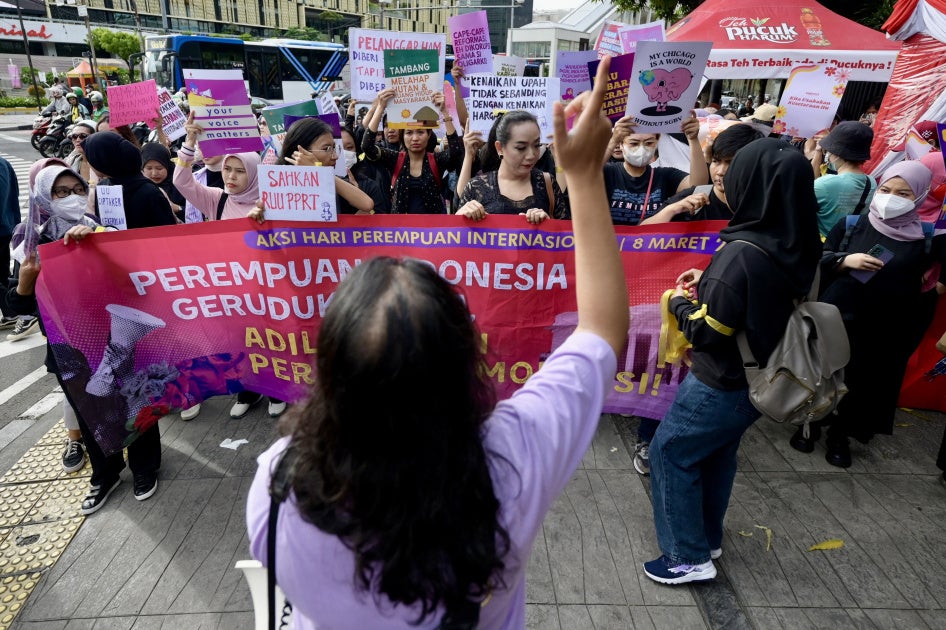
Gender stereotypes are such a pervasive part of everyday life that it can be hard to even recognize them—but they do extraordinary damage and are at the root of many forms of inequality and violence.
Under the international Convention on the Elimination of All Forms of Discrimination Against Women (CEDAW), governments are obligated to eradicate them. The committee tasked with upholding the treaty is currently developing new guidance on how states should fulfill this duty.
Stereotypes, rooted in the assumption that there are two distinct genders with inherent differences, seek to dictate issues like how women and girls should dress, look, and express their “femininity” and sexuality; what subjects, occupations, and aspirations are seen as suitable; and their roles within families and communities. These stereotypes constrain freedom and life choices available to women and girls, and to people who do not fit neatly into binary gender identities or roles.
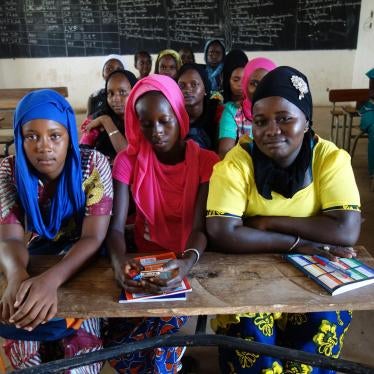
Often education is different for boys and girls, based on stereotypes, which later limits women’s job opportunities. Girls are taught to be submissive and develop skills less profitable than for boys.
More problematic yet, stereotypes affect how society responds to, and often enables, violence against people positioned as inferior. Women do about 76 percent of all unpaid caregiving, also due to gender stereotypes.
Gender stereotypes also harm men and boys. They pressure men and boys to behave in stereotypically “masculine” ways, which can cause them harm, and punish those whose gender expression or life choices don’t conform with these rigid stereotypes.
The CEDAW committee, in a new draft recommendation, calls for every branch of all governments to “adopt appropriate measures to eliminate patterns, prejudices, and practices based on gender stereotypes.” The committee has sought input from civil society to further strengthen the draft.
Human Rights Watch has provided recommendations, including on how to deepen an intersectional approach considering how gender stereotypes are compounded by other forms of discrimination, including based on age, race, disability, immigration status, and sexual orientation and gender identity.
Gender stereotypes are deeply rooted in virtually all societies. The CEDAW committee’s work in this area is crucial and urgently important.