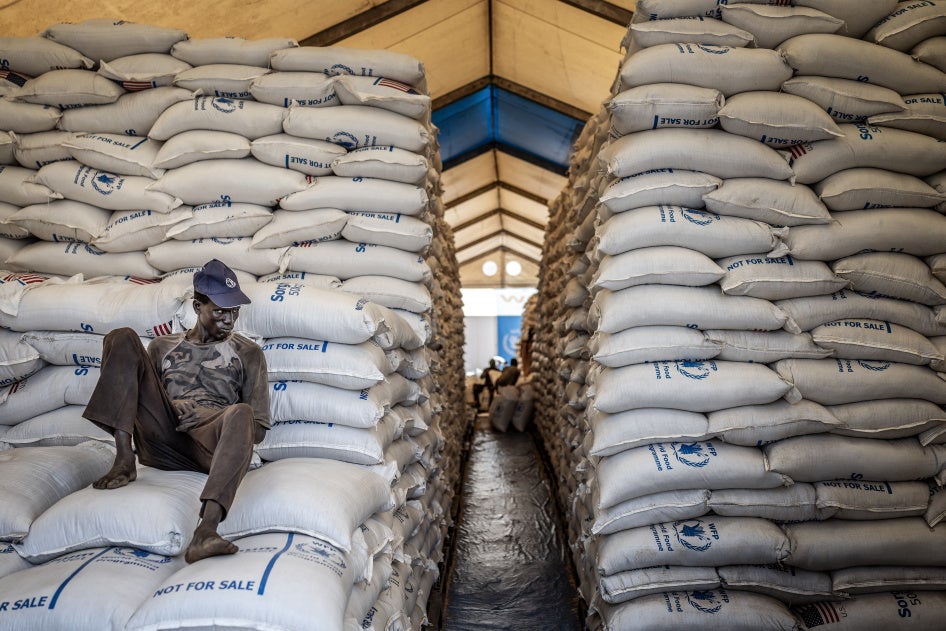
The latest Integrated Food Security Phase Classification report on South Sudan offers a damning indictment of the immense suffering to civilians caused by the country’s warring parties. The report, issued on April 28, warns that the situation is worse than anticipated, with 7.8 million people in desperate need of food aid.
It notes that 73,000 people are facing starvation and death in Upper Nile and Jonglei states, where fighting between government forces and the Sudan People’s Liberation Army in Opposition has escalated since 2025. Parts of both states are also at risk of famine.
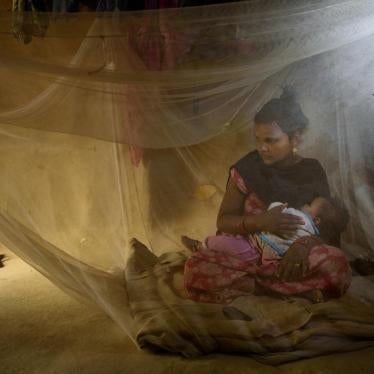
Malnutrition rates in children paint a brutal picture. Around 2.2 million children under five, including in Abiemnhom, are projected to be acutely malnourished; without urgent nutrition treatment, these children are at risk of lifelong physical and cognitive harm or death from starvation. Journalists hoping to shed light on the stories behind these numbers recently shared with Human Rights Watch photos of malnourished children from Akobo, Jonglei state.
The humanitarian crisis is driven by the warring parties’ actions.
Both sides have reportedly committed unlawful killings, sexual assault including rapes of civilians, as well as looted and burned civilian property. Government bombardments have hit crucial infrastructure, notably hospitals.
Since late 2025, the military have issued multiple evacuation orders across Upper Nile and Jonglei states, several of which are unlawful in their sweeping scope, while the opposition has issued at least three. On March 6, the military ordered civilians, UN personnel, and aid organizations to evacuate Akobo County, including Akobo town, forcing aid groups and many of the 270,000 people in the area to flee.
These orders have been accompanied by deliberate steps by the government to block access to aid in opposition-controlled areas, along with coercive administrative measures.
South Sudan’s partners have increasingly condemned the government’s actions, but those condemnations need to be accompanied by sanctions against those deliberately obstructing aid as well as increased financial support for aid. UN Security Council members should warn both South Sudan’s government and opposition that if they don’t allow civilians immediate and safe access to aid, they would consider sanctions or other accountability measures in response.
South Sudan’s leaders and opposition should remember that obstructing aid, enabling a famine, and targeting civilians with violence could be prosecuted as international crimes, and that they can and will be held to account.