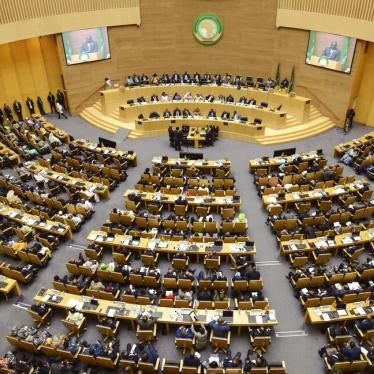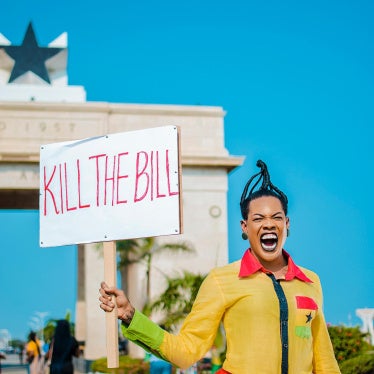

May 25, 2026, marks the 63rd anniversary of the establishment of the Organization of African Unity (OAU), now the African Union (AU). A date that carries the weight of a continent's longing for self-determination and stands as a central expression of the Pan Africanist thought. Yet, across the continent, a cluster of laws criminalizing same sex sexuality have sharpened the question of liberation into something urgent and concrete. In Mali, Burkina Faso, Senegal, and Ghana, new legislation extends criminal exposure not only to individuals on the basis of their sexual orientation, gender identity or expression, or sex characteristics (SOGIESC), but also to those who stand in solidarity with them. Waves of arrests, forced HIV tests, and shuttering of civil society organizations have followed.
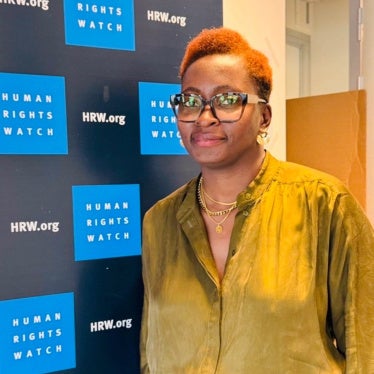
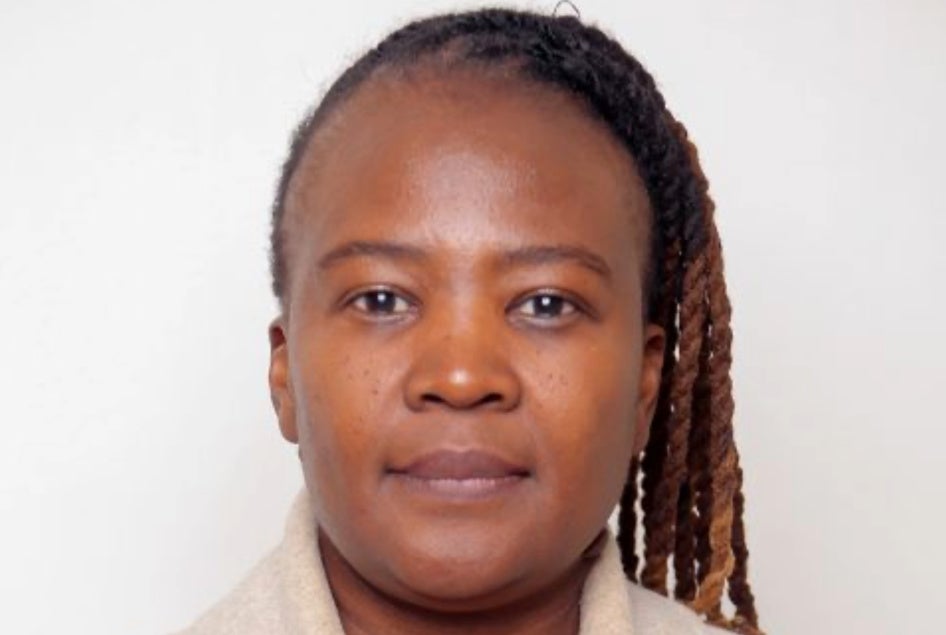
Sibongile Ndashe is a South African lawyer and women's rights activist working at the intersection of African feminist organizing, international human rights law, and Pan-African political thought. For her, the claim that anti-LGBT legislation is an expression of authentic African identity is one of the most sophisticated pieces of political misdirection at work on the continent today.
We spoke with her on Africa Day about anti-LGBT laws and policies and why she insists that Pan-Africanism, properly understood, is a collective aspiration and action towards liberation for all.
How can Pan-Africanist ideals of unity and liberation be reconciled with the diverse realities of Africans across the continent, including marginalized groups such as LGBT people?
A continent that emerged from slavery, colonialism, and all of these other isms should better understand what oppression means. We live in a reality where being African for some groups means discrimination against women, justified in the name of culture, and hate continues to intensify against queer people. It is this contradiction: we collectively want to be free, yet we normalize subjugation; we dream of an Africa able to determine its future, free from external influences, but when you look at the current phase of attacks against queer Africans, you see right-wing groups entering the continent.
The idea that anything is African or un-African is a bad faith description because there are so many practices we do, that did not start from the continent, yet they are never stigmatized. The only thing that often gets labeled as un-African is sexual orientation. No one looks at a white wedding, which involves a white dress for the bride, sometimes church services and Christian vows, and says that is un-African. It is an artificial tension founded on refusal to respect autonomy. People must be respected regardless of who they are. Sexuality has nothing to do with other people except the desire to control how others live. People are being killed, harassed, and violated simply for existing. The work of stopping people from spreading hate and upholding colonial-era laws that harm is hard, but necessary.
To what extent do colonial legal frameworks still shape contemporary African attitudes and policies toward human rights, and how can Pan-Africanism challenge these legacies?
Former British and French colonies still carry legacy laws: marital rape remains not criminalized, challenges around division of property persist, and consensual same-sex relations remain criminalized. Colonialism laid out the legal foundation, but misogyny and patriarchy have extended its lifeline. Most countries have been free for more than 30 years, yet they remain opposed to removing these legacies. The question is why, after independence, do we still hold onto laws that were designed to oppress us? South Africa was one of the last countries to be freed from colonialism, but across the continent we see that patriarchy has entrenched colonial frameworks.
When external powers exploit Africa's economic vulnerabilities to impose their conditions, how do we build a Pan-Africanism rooted in genuine solidarity, one that refuses to sacrifice its own people under pressure and protects the rights of every African?
African leaders think they can make a deal with imperialists, give them minerals and they will end the war. Survival mode leads to bad deals, and those deals never end in Africa's favor. The taking never stops. The real trap is the belief that looking outward, negotiating with imperialism, is what will save the continent. It won't. Africa is not economically weak, we have the resources, we are just squandering them, and that is what creates the illusion of dependency. Instead of leveraging what we have, we are selling minerals, signing away health data, and handing over what makes us powerful. What we need is to turn inward: accountable governments, freedom from corruption, institutions that actually serve African people and I mean all African people. That is the foundation. Everything else is a distraction.
Turning inward, young Africans are increasingly using digital platforms to organize and connect Pan-Africanist struggles to wider human rights and queer movements. What does that look like to you, and what are the risks?
Tech-facilitated gender-based violence is real and it is everywhere: cyberstalking, revenge pornography, blackmail, image harvesting from dating sites, nonconsensual, explicit deepfakes. Queer people are especially exposed, because when your existence [as a queer person] has to be kept secret, every leak becomes a threat to your safety, sometimes your life.
The platforms are not innocent in this. Humiliation gets clicks, clicks generate revenue, and harmful content stays up too long. Big tech is profiting from this harm, and regulation must be part of the answer because individual self-protection only goes so far. People should not have to choose between living freely online and staying safe.
What we need are binding legal obligations on State Parties to the African Charter and on the tech companies themselves to hold them accountable. Right now, without regional and national regulations, prosecutors say they cannot act because the law doesn't recognize these harms. Even the AU Convention on Ending Violence Against Women and Girls, which people are celebrating for mentioning cyberspace, still doesn't conceptually grasp that technology-facilitated violence is a distinct and specific form of harm requiring its own framework. We know what standards are needed. The problem is that no regulations or enforcement mechanisms actually exist yet.
That gap between what we know needs to happen and what institutions are actually delivering seems to run deeper than just digital rights. What should the African Union and Pan-African bodies really look like as defenders of human rights, and how do we make sure no group gets left behind in that vision?
The AU set up the African human rights system: the Charter, the court, the commission. The Charter gives rights to everyone. Yet we see officials acting like mechanisms of protection must align with member states’ bigotry. That is when they veer away from their mandate. The idea that someone loses their legal protection because of sexual orientation is not sound law. The problem is sometimes with the law itself, but often it is interpretation. Courts say they do not know what discrimination is, outcomes seem predetermined, and legal instruments stop making sense. The prosecution is supposed to look at the facts, the constitution, and come to a conclusion. But when courts fail to interpret correctly, the law stops making sense. Activists must challenge both the bad laws and the bad interpretations, because otherwise institutions mirror member states’ bigotry instead of protecting rights.