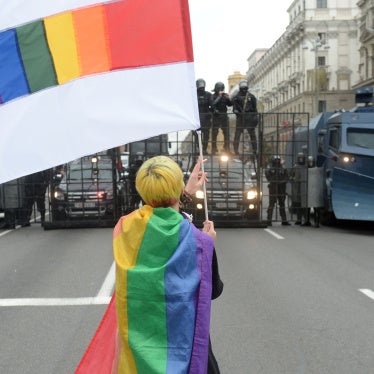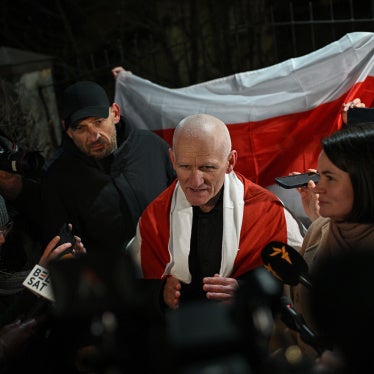
Belarusian authorities are systematically using vaguely defined “extremism” laws to target dissent, including Belarusians in exile.
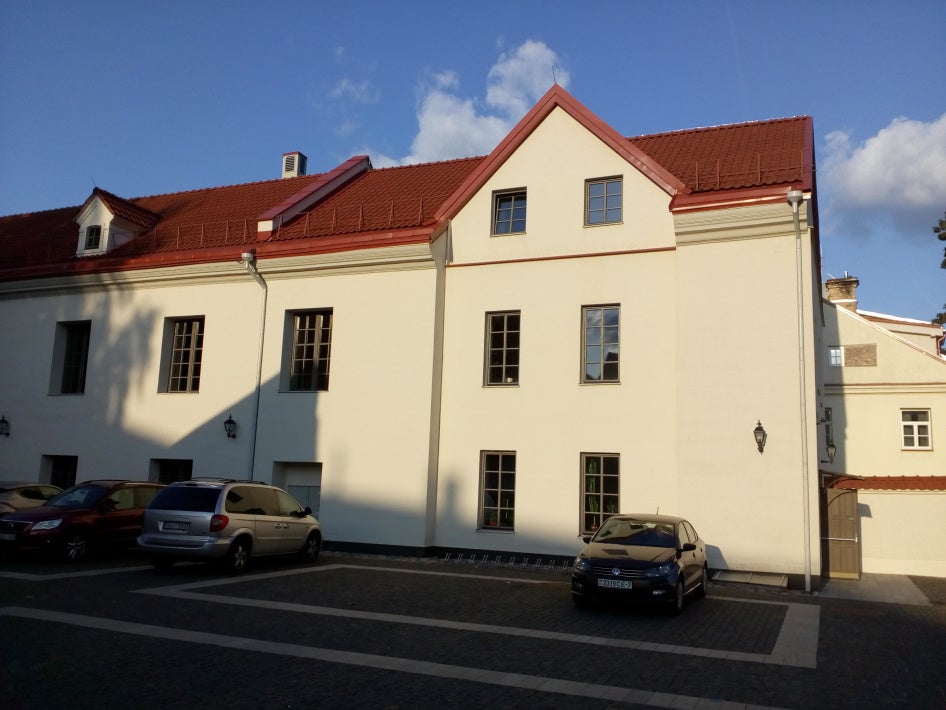
Most recently, on April 14, the Belarusian Supreme Court designated the Lithuania-based European Humanities University an “extremist organization,” claiming it was “destabilizing the sociopolitical situation in the country.” This exposes thousands of current and former students and professors, the majority of them Belarusian, to criminal prosecution in absentia or in Belarus for teaching, attending classes, or having any interaction with the university, even prior to the designation.
Since the beginning of 2026, the authorities have declared another 23 organizations “extremist formations,” including a chat group for political prisoners’ family members, political opposition groups, and independent media.
On February 27, the Belarusian State Security Committee designated PEN Belarus and two of its alleged members as “an extremist formation.” PEN Belarus is one of the oldest Belarusian human rights organizations, defending freedom of speech and promoting cultural rights. The authorities added PEN’s social media pages to the official list of “extremist materials.”
On March 11, the State Security Committee issued a similar decision in relation to Human Constanta, a prominent rights group working to protect the rights of foreigners and stateless people and to advance digital rights and freedoms. The designation extended to four people allegedly affiliated with the organization, including Nasta Lojka, who was released and deported to Lithuania without documents a day later as a part of the political prisoners’ release negotiated by the US government.
On March 31, State Security added another leading rights group, Belarusian Helsinki Committee, to their list of “extremist formations” and banned their websites, social media channels, and email addresses.
Twelve Belarusian and international human rights organizations condemned the use of “extremism” laws against human rights groups.
Belarusian legislation on “extremism” is purposefully broad and vague. “Extremism” charges have been long used by the authorities to crack down on critics, including in exile. More than 1,000 political prisoners have been prosecuted on “extremism” charges over the past 5 years.
The recent victims of these punitive designations, seemingly done for politically motivated reasons, indicate that despite the prisoner releases, repression and abuse continue. The United States and the European Union should place the need to end the human rights crisis at the core of any negotiations with the Belarusian authorities.