(Johannesburg) – Zambia should provide accountability for its failure to clean up a contaminated mine site that is responsible for the ongoing lead poisoning of children, Human Rights Watch said today in supporting a request for African Union action to require the government and others involved to clean up the site.
The Institute for Human Rights and Development in Africa (IHRDA), together with Zambian nongovernmental organizations, and affected families filed a complaint to the African Committee of Experts on the Rights and Welfare of the Child (ACERWC). The complaint seeks accountability and urgent remedies for the decades-long, and continuing, violations of children’s health and environmental rights caused by historical mining, and subsequent waste-processing and remining activities in the city of Kabwe.
“The consequences of the Zambian government’s inadequate enforcement of mining and environmental regulations have been borne by children, the most vulnerable population,” said Allan Ngari, Africa advocacy director at Human Rights Watch. “The case being filed by IHRDA, its partners and affected families is a necessary and urgent effort to end this cycle of neglect and demand accountability and immediate action from the Zambian government.”
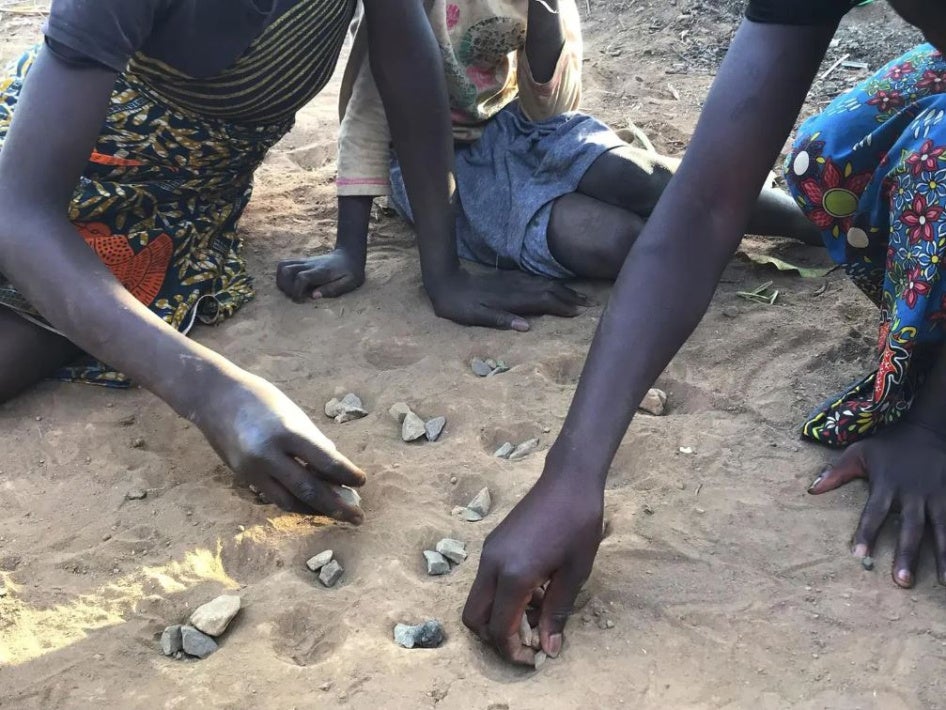
Children in Kabwe have been exposed to toxic lead waste from historic mining operations and contaminated mine tailings in a mine that was opened in the British colonial period. Lead is a highly toxic metal that is particularly harmful for children and can result in cognitive impairment, multiple irreversible health effects, and even premature death.
After the closure of the mine in 1994, an estimated 6.4 million tons of uncovered mine waste and tailings remained and continued to contaminate surrounding residential areas. It is estimated that up to 200,000 people may have been exposed to the toxic dust blown from these dumps, and medical researchers estimate that over 95 percent of children living near the former mine have lead in their blood.
Since then, the Zambian government has issued licenses for mining and mineral processing the toxic lead waste from the former mine, exposing Kabwe residents to additional health risks. It has failed to take adequate measures to contain contamination and prevent further exposure, raising concerns about compliance with Zambian environmental and mining regulations and the state’s human rights obligations.
While the Zambian government has taken some measures to mitigate Kabwe’s pollution, it has failed to clean up the mine: the source of the contamination. The government’s establishment of a presidential technical committee to address the Kabwe contamination signals recognition of the scale of the crisis, but its work needs to translate into concrete, time-bound remediation and protection measures that meet Zambia’s human rights obligations, Human Rights Watch said.
The applicants are asking the ACERWC find the Republic of Zambia in violation of its obligations under the African Charter on the Rights and Welfare of the Child (African Children’s Charter), including the rights to health, survival and development, and protection from environmental hazards, and to order urgent and comprehensive measures, including:
- Immediate containment and elimination of sources of lead contamination in Kabwe, including the suspension of hazardous mining and waste-processing activities that contribute to ongoing exposure;
- Comprehensive and sustained lead testing and treatment for all children in Kabwe, supported by adequate medical supplies and functioning testing facilities;
- Long-term environmental remediation of contaminated soil at the former mine and surrounding area, schools, homes, and play areas;
- Special protection and support measures for affected children, including access to appropriate education and health services;
- Greater accountability, transparency, and effective oversight of mining and mineral processing activities to prevent further harm.
The groups urged the ACERWC to assess Zambia’s compliance with its obligations under the African Children’s Charter and to order appropriate remedies to protect affected children. African human rights bodies have repeatedly affirmed that states must regulate private actors and prevent environmental harm that threatens fundamental rights.
The request also comes alongside ongoing class action litigation in South Africa against companies linked to the historical mining operations in Kabwe, underscoring the complementary role of regional human rights mechanisms and domestic courts in securing accountability and remedies.
“This request for AU action is an opportunity for the Zambian government to place children’s rights to health and safety above its economic interest,” Ngari said. “The request along with the class action suit highlights the importance of both state responsibility and corporate accountability in addressing decades-long environmental harm and ensuring effective reparations for affected children and communities.”