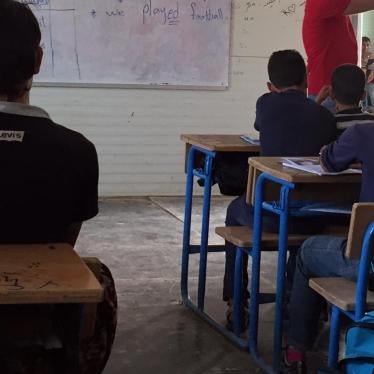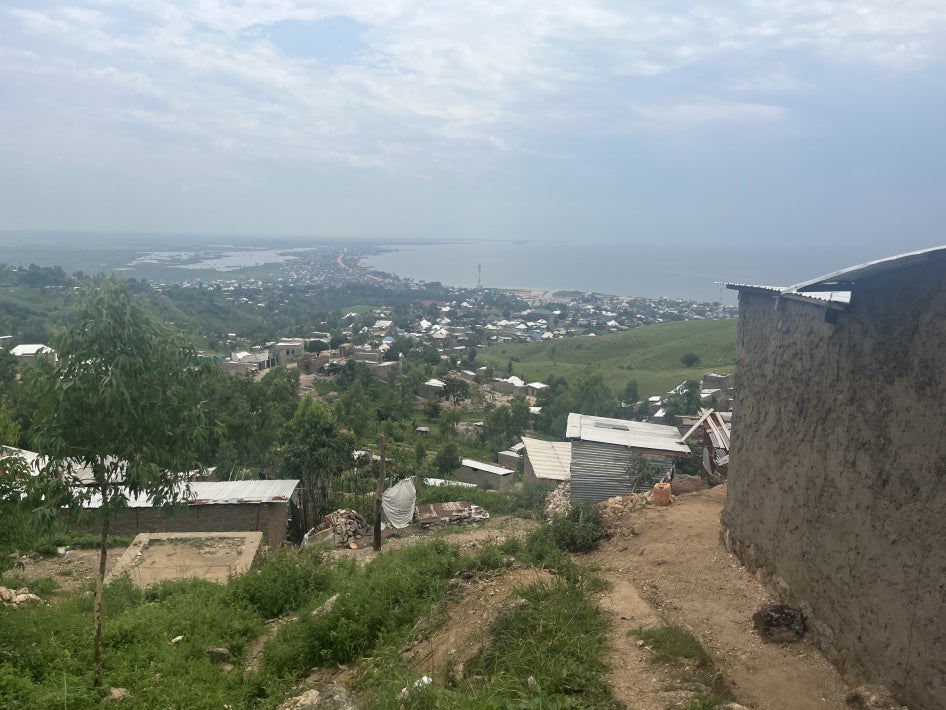
Lewis Mudge, Human Rights Watch’s Central Africa director, and Clémentine de Montjoye, senior Great Lakes researcher, traveled to Uvira, in eastern Democratic Republic of Congo, in March 2026. They interviewed scores of people whom the M23 armed group and Rwandan military forces committed abuses against during their December 2025 takeover of the city.
The M23 withdrew from Uvira in January 2026 and maintains positions to its north, in the Ruzizi Plain, and in the Hauts Plateaux, the highlands southwest of the city.
A rebel group that re-emerged in eastern Congo in 2021, the M23 has since seized large swathes of North and South Kivu, including the provincial capitals Goma and Bukavu. Rwanda provides crucial military support to the M23, including troops, artillery, and logistics. Though the Rwandan government insists it acts only in self-defense against threats from Congo, its backing has been decisive in M23 advances.
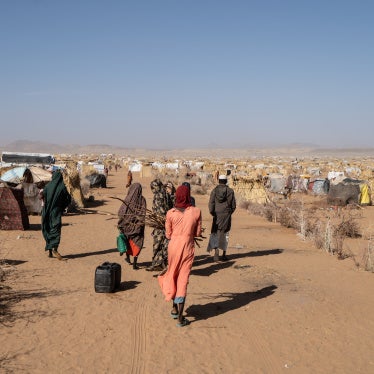
Uvira is a strategic South Kivu port city on Lake Tanganyika with a border crossing to Burundi. Its brief occupation by the M23 in December 2025 disrupted supply lines to Congolese and allied forces, displaced hundreds of thousands, and threatened wider regional spillover. US President Donald Trump brought Congolese and Rwandan leaders to Washington, D.C. in early December 2025 to sign the “Washington Accords” for security cooperation, noninterference, and economic integration around critical minerals.
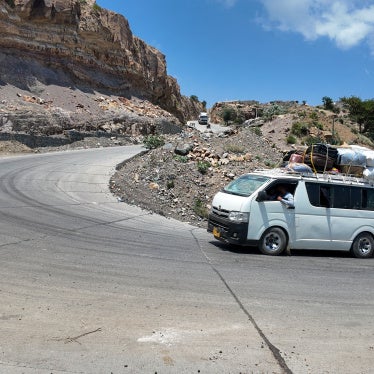
Human Rights Watch was able to visit Uvira after the border between Burundi and Congo reopened. This was the organization’s first time in a major city from which the M23 has withdrawn since the armed group’s resurgence, enabling on-the-ground investigations into abuses they committed. It was also the first time in a decade that Human Rights Watch researchers have visited Burundi, where a 2015 political and human rights crisis led to the ousting of most independent human rights groups.
Human Rights Watch previously documented abuses by the Congolese armed forces and its allied armed groups up until the M23 took Uvira. In the interview below, the team describes some of their initial findings regarding the M23’s occupation of Uvira and makes policy recommendations for concerned governments and international and regional organizations.
Why was the research you conducted in Uvira important?
Uvira was occupied for just over a month by the M23. It is an opportunity for groups like Human Rights Watch to understand and document how the M23 exerted control over a large city. The M23 will not allow Human Rights Watch researchers into territories they control, and the Rwandan government has blocked both of us from entering the country, so this trip was very important to better understand the M23’s rule.
We were also keen to better understand the role of the Wazalendo (“patriots” in Kiswahili), militias allied with the Congolese army, who are often fighting on the front lines against the M23 and have been responsible for serious human rights abuses.
What were your first impressions when you arrived in Uvira?
The situation in Uvira was calm, but tense. Almost everyone we spoke with expressed relief that the M23’s occupation was over. But people in Uvira have been exposed to abuse by armed groups for a long time, and also expressed concerns about their future security.
It quickly became clear that Rwandan forces played a key role in the takeover of the city, and our research suggests that they were involved in abuses committed in the first days of the occupation. Movements and expression were controlled during their time there, and we are only just starting to uncover the extent of the crimes committed in Uvira. Many men and boys were accused, often without basis, of being affiliated with the Wazalendo. We interviewed dozens of residents who shared stories of door-to-door searches, said that the M23 and Rwandan forces entered the city on December 10, 2025, and described executions or abductions of men and boys and killings of women related to Wazalendo members. Many men who were taken away during the M23’s searches are still missing.
What did you learn about allegations of mass graves in Uvira?
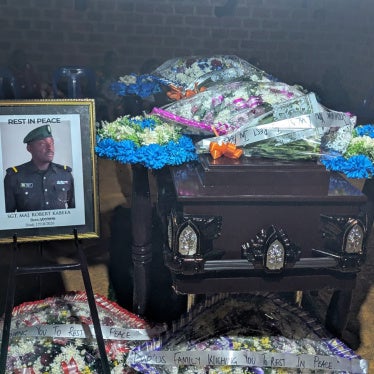
The mass or common graves identified in Uvira have garnered significant media attention. According to our research, the M23 and Rwandan forces killed at least several dozen people when they took Uvira. We visited three sites where people killed during the occupation were buried, and we were informed of many more.
However, at this stage, it is difficult to know exactly who is buried in all the mass graves that have been reported on, including when they were buried, and how they died. Over the course of 2025, we also documented killings of civilians while the city was under control of Congolese forces and the Wazalendo. It is important to protect these sites to ensure that future accountability efforts can rely on them for evidence.
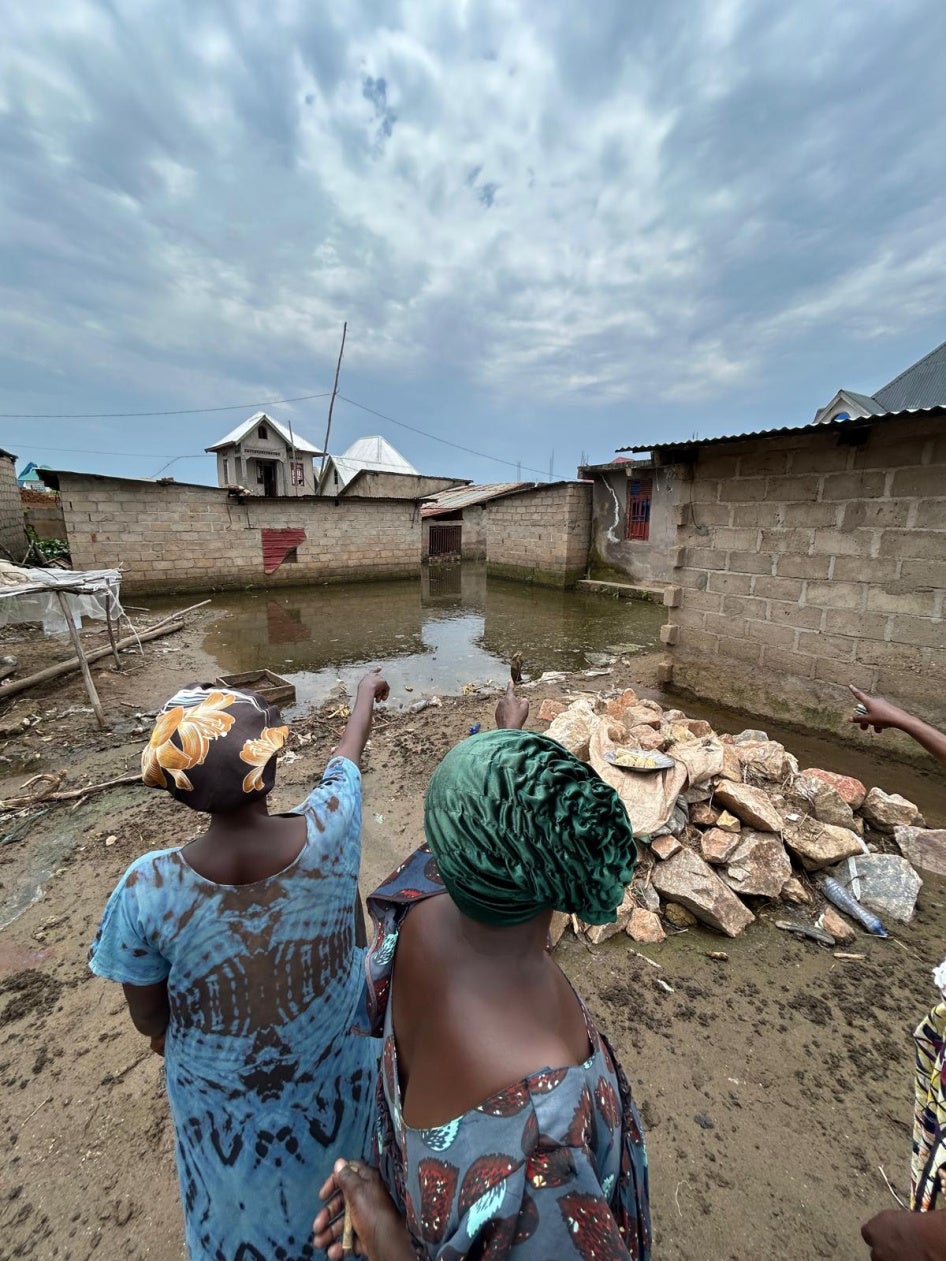
What other abuses did you uncover while you were in the city?
M23 fighters also committed sexual violence against women and girls, especially as those who ventured out to find food on their farmlands where they were isolated and vulnerable to assault. Most of these women and girls had not received any medical care. Conflict-related sexual violence by all parties in eastern Congo has escalated, while support to survivors has significantly dropped.
People in Uvira have been living in a context of heightened insecurity for some time. Some residents told us Wazalendo fighters had been harassing and assaulting people in Uvira, including members of the Banyamulenge community made up of Congolese Tutsi from South Kivu, prior to December 2025.
What stories and images have stayed with you?
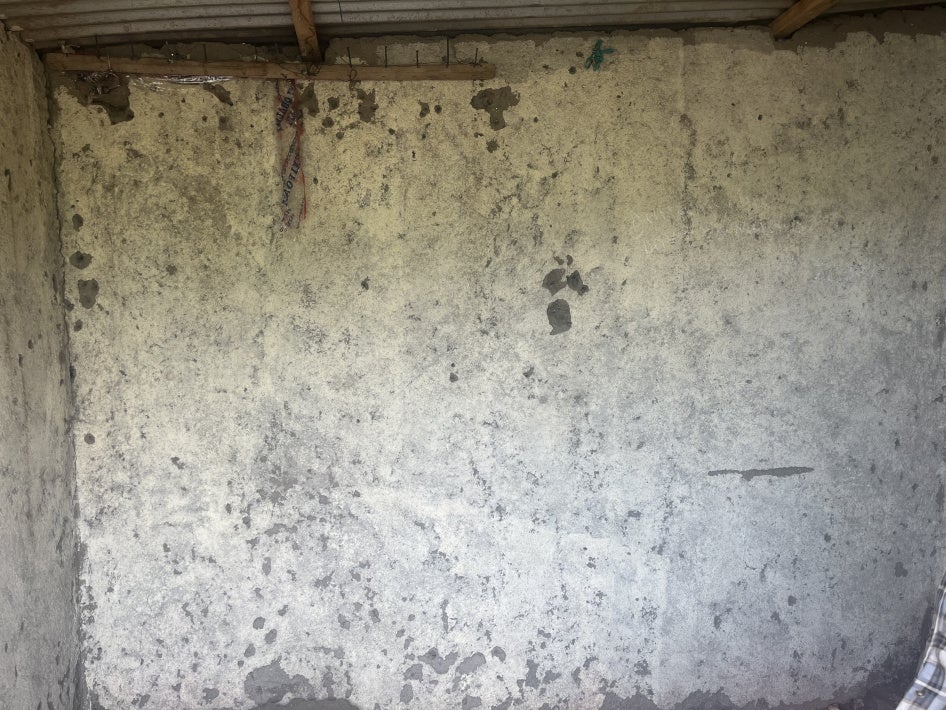
A father took us to the house where his 16- and 18-year-old sons were killed. They were hiding in their house when the M23 and Rwandan forces entered the city. The fighters broke down the door and shot the two dead. We then walked to another house a few meters up the road, and where the fighters shot four other boys and men, ages 16 to 23, who tried to hide behind the curtain separating the bed from the rest of the room. Their younger brother survived, although he was badly injured. The blood and bullet holes were still visible on the walls. Neighbors and parents confirmed that all the men and boys killed that day were civilians and unarmed. They were all buried in a grave with six other men who were also killed that day.
What is the situation now in Uvira?
The South Kivu governor and Congolese army commander have taken some steps to control Wazalendo groups in the city. Some Wazalendo have been arrested for threatening and shooting at civilians, and we were able to visit them in the military detention cells. While these are important steps towards accountability, more is needed to address the threat to civilians posed by the Wazalendo, including outside of Uvira. We urged the current army commander to ensure all those responsible for serious abuses are brought to account, and to ensure that any Wazalendo fighters who are recruited into the army are properly vetted and trained.
There has been a lot of damage to houses, government buildings, and property of Banyamulenge, as well as the destruction and looting of goods during the military withdrawal, although it is difficult to identify those responsible.
But the overall situation remains tense. Residents are watching how the authorities will handle reestablishing state authority and are concerned that the M23 remains positioned close to the city. Some human rights defenders who have been working on documenting the M23’s crimes since their withdrawal are also very worried about reprisal attacks from M23 agents or if the group recaptures the city.
What is Human Rights Watch calling for now?
Most urgently, there is a need for detailed reporting, legal action against those implicated in abuses, and efforts to prevent further abuse. The Congolese government, with support from the United Nations, should consider launching an investigation into crimes committed in Uvira, including seeking forensic support to exhume the mass graves. The UN Commission of Inquiry on the situation in North and South Kivu should urgently deploy a team to Uvira to support documentation efforts and preserve evidence with a view to facilitating accountability.
Earlier in March, the United States government imposed sanctions on the Rwandan army and senior Rwandan military commanders in response to the capture of Uvira and to gain support for the Washington Accords.
Despite the withdrawal, the M23 maintains strongholds just north of the city and fighting continues between the M23 and Congolese forces and their Wazalendo allies. Concerned governments—notably in the European Union and the United Kingdom—and regional actors should follow the US lead and should also impose targeted sanctions on abusive M23 commanders and Rwandan military figures and officials enabling M23 abuses.
The United States and the African Union should ensure that monitoring mechanisms are used to enforce provisions in the Washington Accords. Rwandan and Congolese authorities should end their support to abusive armed groups and prioritize protection of civilians and access to humanitarian assistance.
Lastly, Rwanda and Congo should ensure accountability for serious crimes by all warring parties, including by supporting the International Criminal Court’s investigations and launching domestic ones.