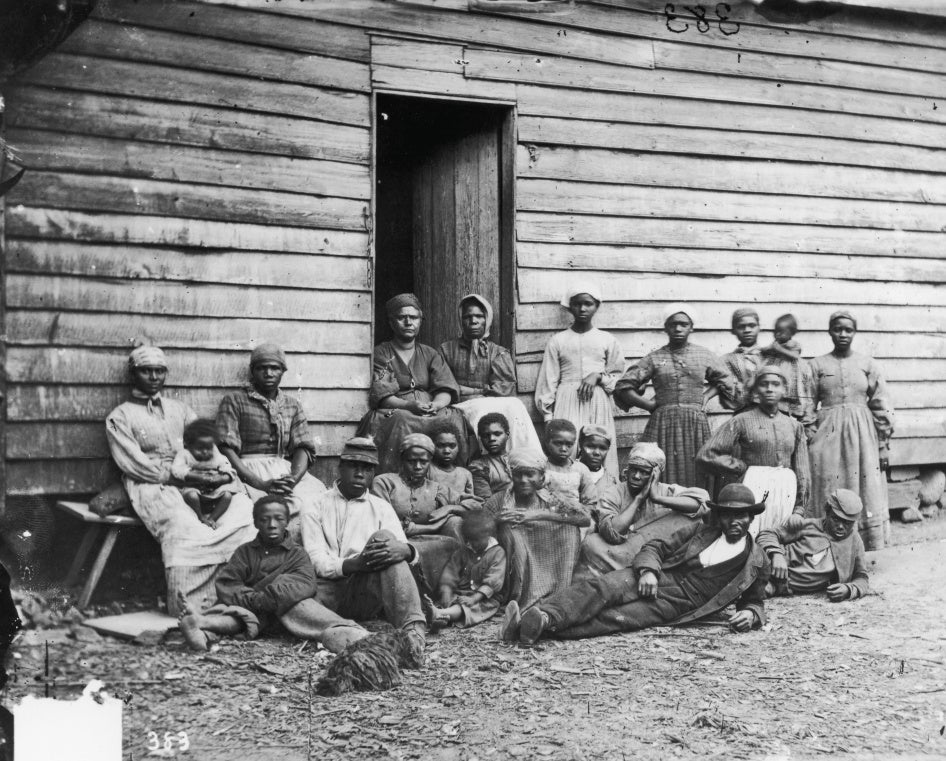
Commemorating the International Day of Remembrance of the Victims of Slavery and the Transatlantic Slave Trade, the United Nations General Assembly passed a landmark resolution, introduced by Ghana, on March 25 that seeks to advance reparatory justice for the trafficking of enslaved Africans and the racialized chattel enslavement of Africans.
African, Caribbean, and Latin American states delivered powerful speeches at this year’s observance. Ghana’s president, speaking on behalf of the African group, described the initiative as “a route to healing and reparative justice” for enslavement legacies “beyond symbolic acknowledgment and toward institutional accountability.” It reflects longstanding advocacy by African and Caribbean states and civil society.
The resolution calls for restitution of looted cultural property, formal apologies, and consideration of compensation and other reparatory measures, framing these as necessary steps to address contemporary inequalities linked to slavery, colonialism, and systemic racism. It describes the trafficking of enslaved Africans and the racialized chattel enslavement of Africans as the “gravest crime against humanity.”
The resolution passed with 123 votes in favor. The United States, Israel, and Argentina voted no and 52 states abstained, including the United Kingdom, Canada, and all European Union member states, including Spain.
The US delegation’s justifications for its vote against the resolution included claims that the resolution narrowly focused on Western states’ responsibility and suggested that the claims of compensation were “an attempt to reallocate modern resources to people and nations who are distantly related to the historical victims.”
Historically, states like the UK chose to compensate former owners of enslaved people—not the enslaved people themselves—based on allegations that they had “lost” property after the abolition of chattel enslavement.
The abstentions from the UK and EU member states were expected, even if unjustified, given European states’ role in colonial-era atrocities and their lasting impacts. While calling the slave trade an “unparalleled tragedy,” they, like the US, question the legal basis for reparations, contending that colonial-era atrocities predated modern international law.
There is growing recognition of reparations for historical and ongoing injustices, including reports of the UN High Commissioner for Human Rights and the 2001 Durban Declaration and Programme of Action, a comprehensive UN blueprint to combat systemic racism, which explicitly acknowledges slavery and the slave trade as crimes against humanity and calls for remedies and reparatory justice.
The vote underscores a continuing divide between Global South countries experiencing enduring consequences of colonial atrocities, enslavement, and the slave trade, and many Global North countries unwilling to take responsibility and to take actions.
The legacy of enslavement remains a living structural injustice, with a global majority, including civil society in Europe and US, increasingly calling for meaningful repair rather than symbolic recognition alone.