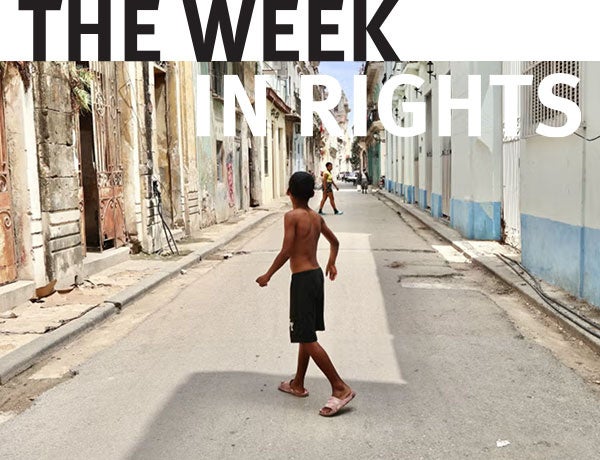
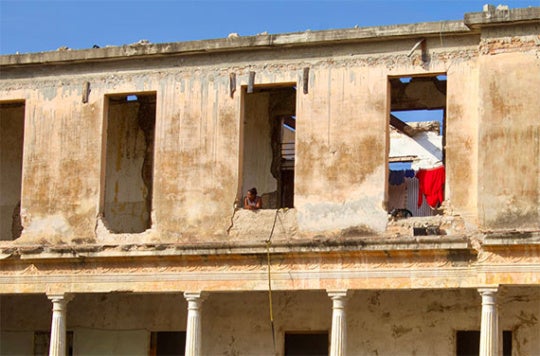
These visible signs of decay sit within an economic and infrastructural erosion that has developed over decades.
Cuba’s economy has been under sustained strain since the end of Soviet-era subsidies in the early 1990s. Public services have deteriorated due to structural inefficiencies in a highly state-controlled economy and the long-standing US embargo, which restricts financing, trade, and investment.
The crisis entered a new phase in January 2026, when the US imposed an oil blockade on Cuba, effectively preventing countries like Venezuela and Mexico—its main suppliers—from shipping oil to the island. The blockade deepened the country’s energy crisis, exacerbating blackouts, water shortages, and slowing public services. In some neighborhoods, electricity is only available for two or three hours a day.
Cubans are still not free to express their discontent. One man we spoke to, Armando, knows the cost of speaking out: “What’s the point?”, he asked. “I’m already hungry here. If I speak out, I’ll just end up being hungry in prison.”
Yet however daunting their lives, Cubans are finding ways to adapt, and many do not want to leave. “I don’t want to live in a new country,” one resident told us. “I want to live in a better version of this country.”