The 75-page report, “No Money, No Care: Obstetric Violence in Sierra Leone,” documents cases of verbal abuse, medical neglect, and abandonment of women and girls facing serious obstetric complications, practices that experts interviewed say are common. Many women interviewed said they were shamed and mistreated by healthcare providers for expressing pain, needing help, or for not having enough money to pay fees. Others described humiliating experiences in which healthcare providers treated them brusquely or withheld important health information. Some cases documented constitute obstetric violence, a largely unaddressed form of gender-based violence prevalent across the world.
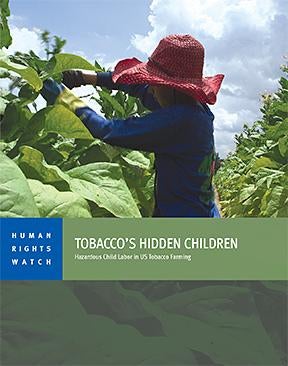
Hazardous Child Labor in United States Tobacco Farming
The 138-page report documents conditions for children working on tobacco farms in four states where 90 percent of US tobacco is grown: North Carolina, Kentucky, Tennessee, and Virginia. Children reported vomiting, nausea, headaches, and dizziness while working on tobacco farms, all symptoms consistent with acute nicotine poisoning.
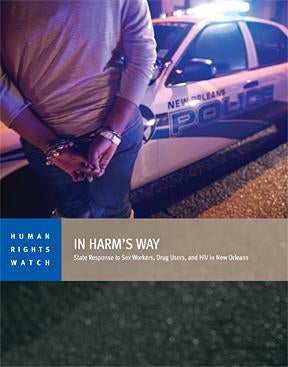
State Response to Sex Workers, Drug Users and HIV in New Orleans
This 57-page report documents government violations of the right to health and other abuses of at-risk populations in New Orleans. It calls for changes in state and local laws and policies that stigmatize, discriminate against, and facilitate police abuse of sex workers and drug users, and interfere with health services for people at high risk for HIV.
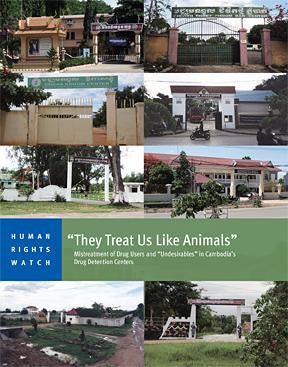
Mistreatment of Drug Users and "Undesirables" in Cambodia’s Drug Detention Centers
The 55-page report documents the experiences of people recently confined in the centers, who described being thrashed with rubber water hoses and hit with sticks or branches. Some described being punished with exercises intended to cause intense physical pain and humiliation, such as crawling along stony ground or standing in septic water pits.
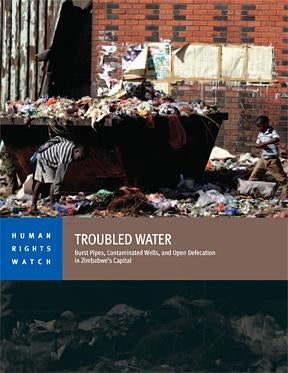
Burst Pipes, Contaminated Wells, and Open Defecation in Zimbabwe’s Capital
The 60-page report describes how residents have little access to potable water and sanitation services, and often resort to drinking water from shallow, unprotected wells that are contaminated with sewage, and to defecating outdoors. The conditions violate their right to water, sanitation, and health.
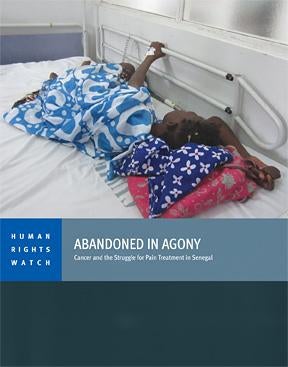
Cancer and the Struggle for Pain Treatment in Senegal
The 85-page report found that 70,000 Senegalese each year need what is known as palliative care to control symptoms related to chronic, life-threatening diseases. Morphine is an essential and inexpensive medication for treatment of severe pain, but Senegal only imports about one kilogram of morphine each year – enough to treat about 200 cancer patients.
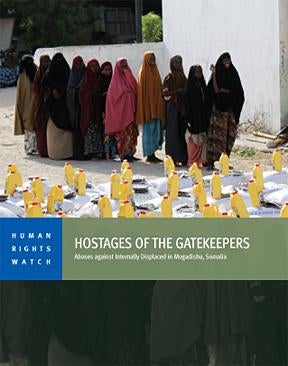
Abuses against Internally Displaced in Mogadishu, Somalia
The 80-page report details serious violations, including physical attacks, restrictions on movement and access to food and shelter, and clan-based discrimination against the displaced in Mogadishu from the height of the famine in mid-2011 through 2012.
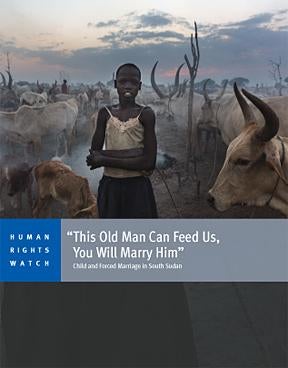
The 95-page report documents the consequences of child marriage, the near total lack of protection for victims who try to resist marriage or leave abusive marriages, and the many obstacles they face in accessing mechanisms of redress.
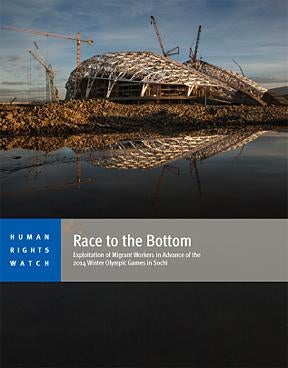
Exploitation of Migrant Workers Ahead of Russia’s 2014 Winter Olympic Games in Sochi
This 67-page report documents exploitation of migrant workers on key Olympic sites, including the Central Olympic Stadium, the Main Olympic Village, and the Main Media Center.
Police Mishandling of Sexual Assault Cases in the District of Columbia
This 196-page report concludes that in many sexual assault cases, the police did not file incident reports, which are required to proceed with an investigation, or misclassified serious sexual assaults as lesser or other crimes.
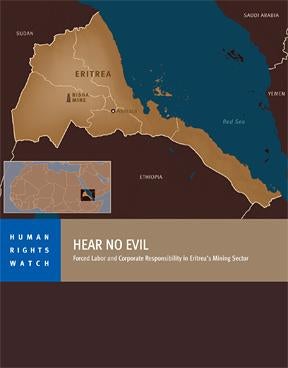
Forced Labor and Corporate Responsibility in Eritrea’s Mining Sector
The 29-page report describes how mining companies working in Eritrea risk involvement with the government’s widespread exploitation of forced labor. It also documents how Nevsun – the first company to develop an operational mine in Eritrea – initially failed to take those risks seriously, and then struggled to address allegations of abuse connected to its operations.
The Health Repercussions of Bangladesh’s Hazaribagh Leather
This report documents an occupational health and safety crisis among tannery workers, both men and women, including skin diseases and respiratory illnesses caused by exposure to tanning chemicals, and limb amputations caused by accidents in dangerous tannery machinery.
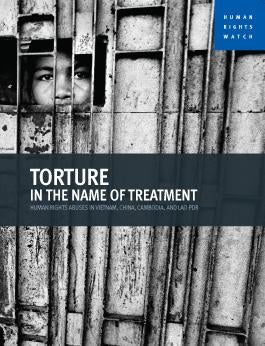
Human Rights Abuses in Vietnam, China, Cambodia, and Lao PDR
More than 350,000 people identified as drug users are held in compulsory drug "treatment" centers in China and Southeast Asia. Detainees are held without due process for periods of months or years and may be subjected to physical and sexual abuse, torture, and forced labor.
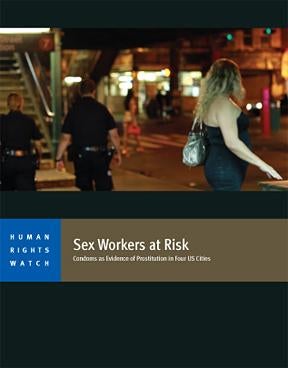
Condoms as Evidence of Prostitution in Four US Cities
This 112-page report documented in each city how police and prosecutors use condoms to support prostitution charges. The practice makes sex workers and transgender women reluctant to carry condoms for fear of arrest, causes them to engage in sex without protection, and puts them at risk of HIV and other sexually transmitted diseases.
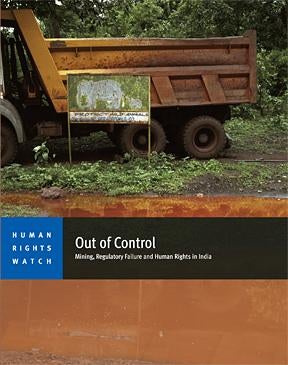
Mining, Regulatory Failure, and Human Rights in India
This 70-page report finds that deep-rooted shortcomings in the design and implementation of key policies have effectively left mine operators to supervise themselves. This has fueled pervasive lawlessness in India’s scandal-ridden mining industry and threatens serious harm to mining-affected communities.