Israel’s Forced Displacement of Palestinians in the West Bank
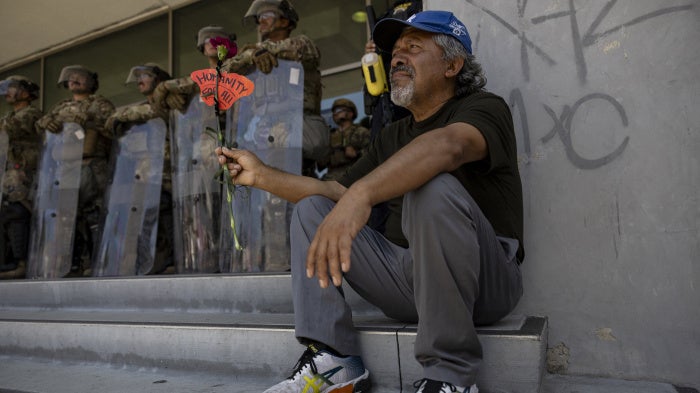
The 105-page report, “‘All My Dreams Have Been Erased’: Israel’s Forced Displacement of Palestinians in the West Bank,” details “Operation Iron Wall,” an Israeli military operation across Jenin, Tulkarem, and Nur Shams refugee camps that began on January 21, 2025, days after a temporary ceasefire was announced in Gaza. Israeli forces issued abrupt orders to civilians to leave their homes, including with loudspeakers mounted on drones. Witnesses said soldiers moved methodically through the camps, storming homes, ransacking properties, interrogating residents, and eventually forcing all families out.
Summary Returns of Unaccompanied Migrant Children and Adult Asylum Seekers from Italy to Greece
This report documents the failure of Italian border police at the Adriatic ports of Ancona, Bari, Brindisi, and Venice to screen adequately for people in need of protection, in violation of Italy’s legal obligations. Human Rights Watch interviewed 29 children and adults who were summarily returned to Greece from Italian ports, 20 of them in 2012.
This report details treatment of migrants, typically from sub-Saharan Africa, who arrive in Malta after treacherous boat journeys across the Mediterranean, in unseaworthy boats, without enough food, water, or fuel. Upon arrival in Malta, virtually all irregular migrants are detained – and the conditions in detention can exacerbate the trauma of the journey.
The Treatment of Asylum Seekers and Migrants in Ukraine
This 124-page report is based on interviews with 161 refugees, migrants, and asylum seekers in Ukraine, Slovakia, and Hungary. It shows that although some conditions in migration detention facilities have improved, Ukraine subjects many migrants to inhuman and degrading treatment and has been unable or unwilling to provide effective protection for refugees and asylum seekers.
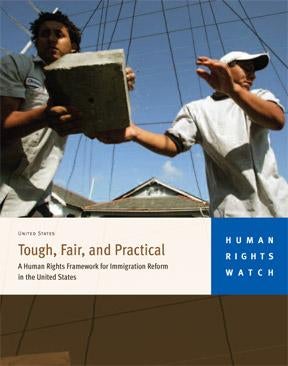
A Human Rights Framework for Immigration Reform in the United States
This 24-page report proposes a framework for improving US immigration law that would give immigrant crime victims a chance to seek justice, protect workers, respect the private and family life of longtime residents, and provide fair treatment for immigrants who come before the courts.
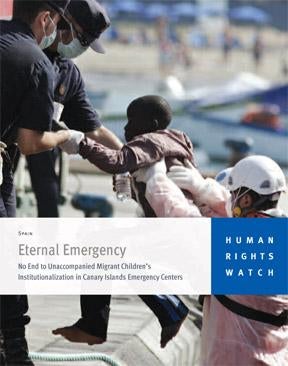
No End to Unaccompanied Migrant Children’s Institutionalization in Canary Islands Emergency Centers
This 40-page report says that the centers fail to comply with the Canary Islands government's minimum care standards for migrant children and have no occupancy limits. The approximately 100 children in the biggest and most secluded emergency center, La Esperanza, receive low-quality food, lack adequate heating, hot water, and blankets, and report frequent violence from other children.
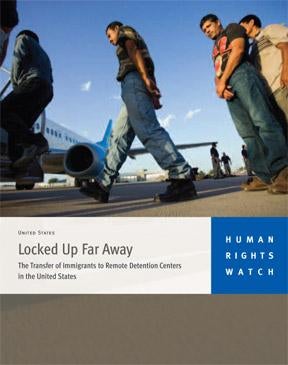
The Transfer of Immigrants to Remote Detention Centers in the United States
This 88-page report presents new data analyzed for Human Rights Watch by the Transactional Records Access Clearinghouse (TRAC) of Syracuse University. The data show that 53 percent of the 1.4 million transfers have taken place since 2006, and most occur between state and local jails that contract with the agency, known as ICE, to provide detention bed space.
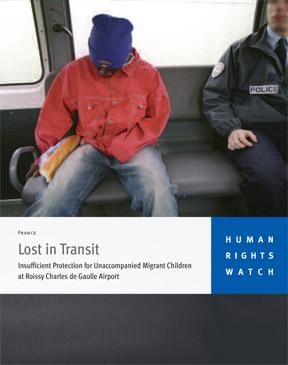
Insufficient Protection for Unaccompanied Migrant Children at Roissy Charles de Gaulle Airport
In this 60-page report, Human Rights Watch concludes that France's system of detaining and deporting unaccompanied migrant children who arrive in Paris by air puts them at serious risk.
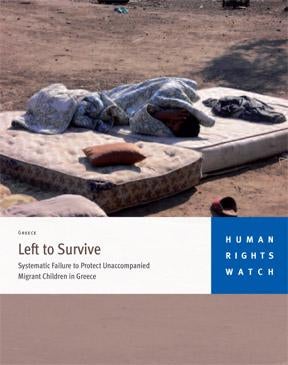
Systematic Failure to Protect Unaccompanied Migrant Children in Greece
Some 1,000 unaccompanied migrant children who have entered Greece in 2008 without parents or caregivers struggle to survive without any state assistance, Human Rights Watch said in a new report issued today.
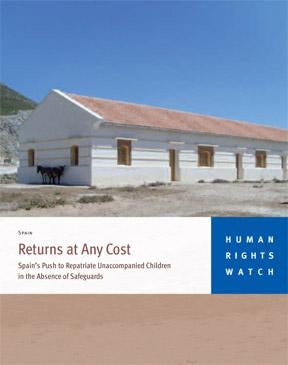
Spain’s Push to Repatriate Unaccompanied Children in the Absence of Safeguards
This 22-page report says that in Andalusia, the southern region that is a common entry point for migrants, authorities have said they intend to send up to 1,000 unaccompanied children in their custody to Morocco, claiming that safeguards are in place. But officials could not explain how they determined it was in a child’s best interest to return, as required by law.
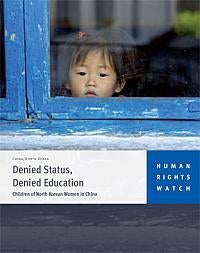
This 23-page report documents how such children live without legal identity or access to elementary education. These children live in the Yanbian Korean Autonomous Prefecture in eastern Jilin Province, northeast China (near its border with North Korea). Some are from North Korea while others were born in China and have Chinese fathers and North Korean mothers.
Submission from Human Rights Watch to the Committee on the Rights of the Child
In this submission to the Committee on the Rights of the Child, Human Rights Watch provided information to the Committee on violations of the Convention on the Rights of the Child by the Bhutanese government against ethnic Nepali children in Bhutan and Bhutanese refugees in Nepal.
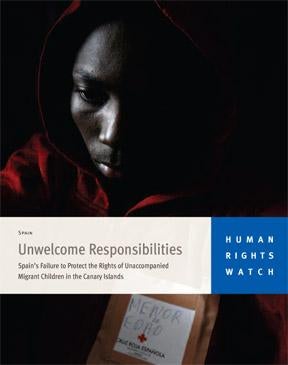
Spain’s Failure to Protect the Rights of Unaccompanied Migrant Children in the Canary Islands
This 115-page report documents how children stay in emergency centers for indefinite periods, in often overcrowded and poor conditions. The children told Human Rights Watch that they have been subjected to beatings by staff, and left unprotected from violence by their peers.
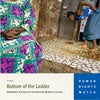
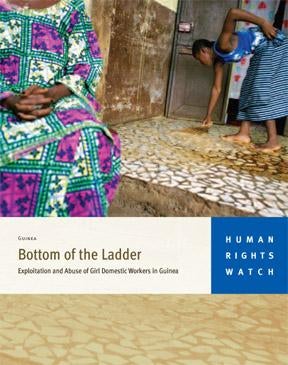
Exploitation and Abuse of Girl Domestic Workers in Guinea
This 110-page report documents how girls as young as 8 years old work up to 18 hours a day as domestic workers, frequently without pay, and are often insulted, beaten and raped by their employers.
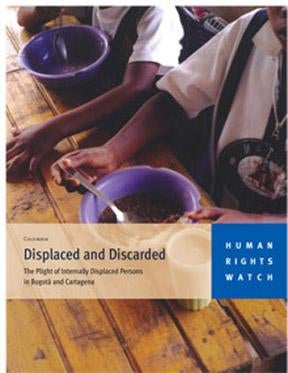
The Plight of Internally Displaced Persons in Bogotá and Cartagena
The families interviewed for this 60-page report described fleeing their homes after receiving threats, being subjected to torture, or seeing relatives or neighbors killed. When they flee their communities and seek shelter elsewhere, they may wait weeks or even months for emergency aid, are often denied medical care, and may be unable to enroll their children in schools.
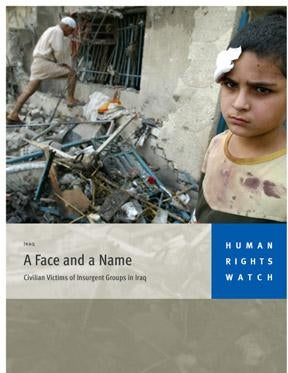
This report is the most detailed study to date of abuses by insurgent groups. It systematically presents and debunks the arguments that some insurgent groups and their supporters use to justify unlawful attacks on civilians.