Recruitment and Use of Children by Colombian Armed Groups
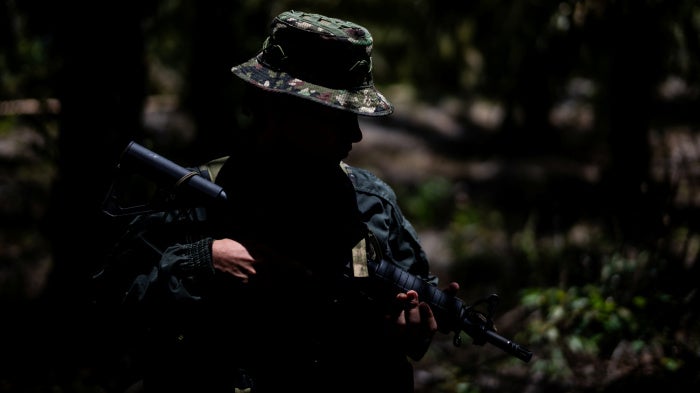
The 102-page report, “‘I Thought I’d Never See My Mom Again’: Recruitment and Use of Children by Colombian Armed Groups,” examines the dynamics of child recruitment, the factors that place children at risk, and the strategies and tools used by armed groups, including through social media platforms, to recruit them. Researchers also analyzed the government’s response and its shortcomings in preventing child recruitment, protecting and rescuing children, assisting the reintegration of those who have been released, and prosecuting the individuals responsible.
Summary Returns of Unaccompanied Migrant Children and Adult Asylum Seekers from Italy to Greece
This report documents the failure of Italian border police at the Adriatic ports of Ancona, Bari, Brindisi, and Venice to screen adequately for people in need of protection, in violation of Italy’s legal obligations. Human Rights Watch interviewed 29 children and adults who were summarily returned to Greece from Italian ports, 20 of them in 2012.
This 73-page report found that some child domestic workers – who are overwhelmingly girls – toil for 12 hours a day, 7 days a week, for as little as US$11 a month. Some girls told Human Rights Watch that their employers frequently beat and verbally abused them, denied them education, and sometimes refused them adequate food.
Youth in Solitary Confinement in Jails and Prisons Across the United States
The 141-page report is based on research in both US jails and prisons in five states – Colorado, Florida, Michigan, New York, and Pennsylvania – and correspondence with young people in 14 others. The isolation of solitary confinement causes anguish, provokes serious mental and physical health problems, and works against rehabilitation for teenagers, Human Rights Watch and the ACLU found.
This 46-page report details the occupation of schools by government security forces, militias, and opposition armed groups, risking the lives and education of tens of thousands of students. Forces on both sides used schools as barracks, bases, surveillance posts, and firing positions.
This report details treatment of migrants, typically from sub-Saharan Africa, who arrive in Malta after treacherous boat journeys across the Mediterranean, in unseaworthy boats, without enough food, water, or fuel. Upon arrival in Malta, virtually all irregular migrants are detained – and the conditions in detention can exacerbate the trauma of the journey.
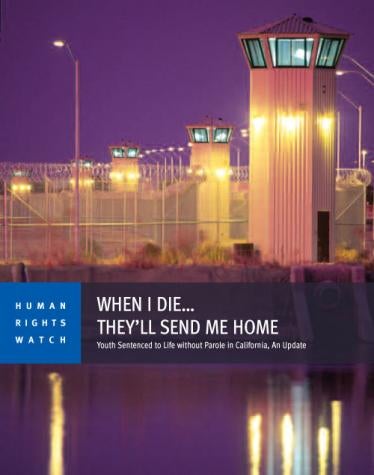
Youth Sentenced to Life in Prison without Parole in California, An Update
This 28-page report draws on six years of research, interviews, and correspondence with correctional officials and youth offenders serving life without parole.
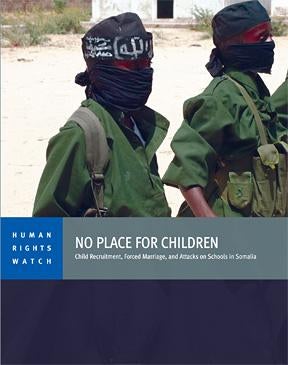
Child Recruitment, Forced Marriage, and Attacks on Schools in Somalia
This 104-page report details unlawful recruitment and other laws-of-war violations against children by all parties to the conflict in Somalia since 2010. The report is based on over 164 interviews with Somali children, including 21 who had escaped from al-Shabaab forces, as well as parents and teachers who had fled to Kenya.
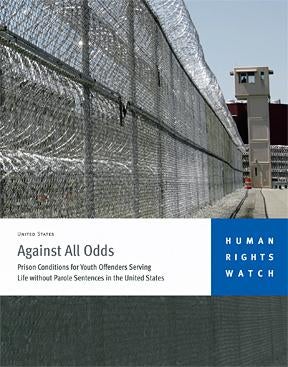
Prison Conditions for Youth Offenders Serving Life without Parole Sentences in the United States
This 47-page report draws on six years of research, and interviews and correspondence with correctional officials and hundreds of youth offenders serving life without parole. Human Rights Watch found that nearly every youth offender serving life without parole reported physical violence or sexual abuse by other inmates or corrections officers.
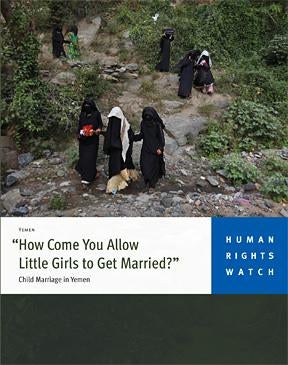
This 54-page report documents the lifelong damage to girls who are forced to marry young. Yemeni girls and women told Human Rights Watch about being forced into child marriages by their families, and then having no control over whether and when to bear children and other important aspects of their lives.
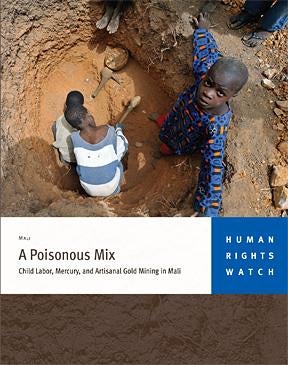
Child Labor, Mercury, and Artisanal Gold Mining in Mali
This 108-page report reveals that children as young as six dig mining shafts, work underground, pull up heavy weights of ore, and carry, crush, and pan ore. Many children also work with mercury, a toxic substance, to separate the gold from the ore. Mercury attacks the central nervous system and is particularly harmful to children.
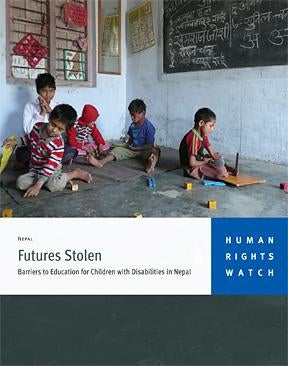
Barriers to Education for Children with Disabilities in Nepal
This 76-page report documents the hurdles that children with disabilities face in obtaining a quality education in Nepal. Some children with disabilities experience abuse and neglect at home and in their communities, making it harder for them to gain access to schooling.
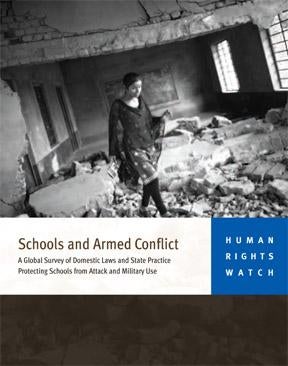
A Global Survey of Domestic Laws and State Practice Protecting Schools from Attack and Military Use
This 162-page report examines domestic laws and military policies in 56 countries around the world. Governments have been slow to update and align their domestic legislation with the explicit prohibitions on attacks on schools under international criminal law, Human Rights Watch said.
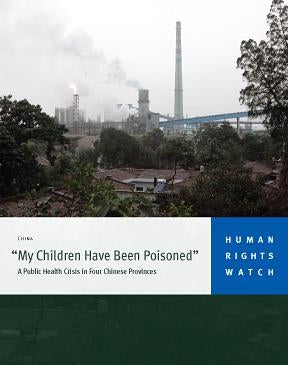
This 75-page report draws on research in heavily lead-contaminated villages in Henan, Yunnan, Shaanxi, and Hunan provinces. The report documents how, despite increasing regulation and sporadic enforcement targeting polluting factories, local authorities are ignoring the urgent and long-term health consequences of a generation of children continuously exposed to life-threatening levels of lead.
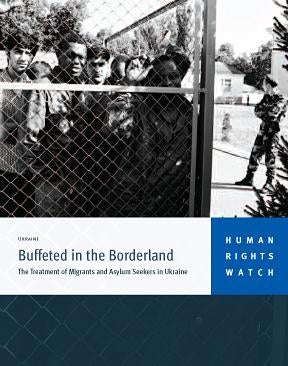
The Treatment of Asylum Seekers and Migrants in Ukraine
This 124-page report is based on interviews with 161 refugees, migrants, and asylum seekers in Ukraine, Slovakia, and Hungary. It shows that although some conditions in migration detention facilities have improved, Ukraine subjects many migrants to inhuman and degrading treatment and has been unable or unwilling to provide effective protection for refugees and asylum seekers.
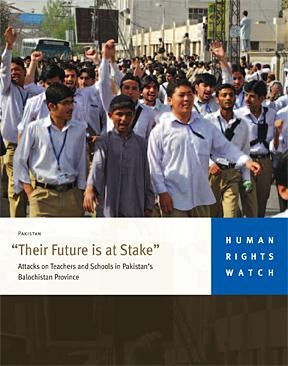
Attacks on Teachers and Schools in Pakistan’s Balochistan Province
This 40-page report documents the killing of at least 22 teachers and other education personnel by suspected militants between January 2008 and October 2010. The report – based on interviews with teachers, students, victims’ families and friends, and government officials in Balochistan – describes these attacks and their consequences for the quality of education in the province.