Hanoi’s Continuing Assault on Workers’ Right to Organize
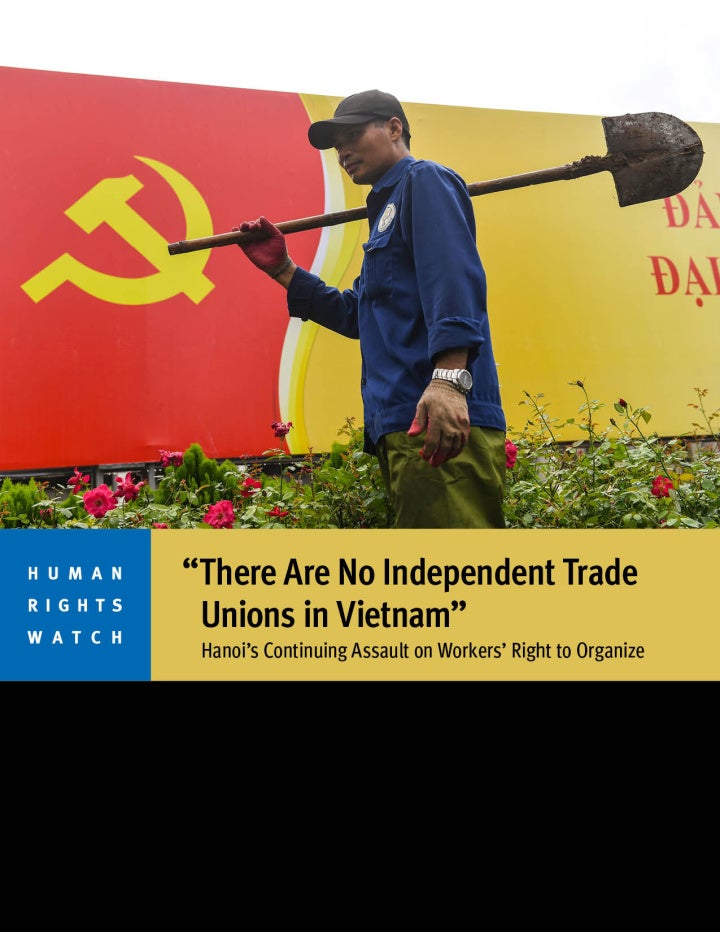
The 49-page report, “There Are No Independent Trade Unions in Vietnam: Hanoi’s Continuing Assault on Workers’ Right to Organize,” documents the Vietnamese governments’ continuing useof vague, overbroad criminal laws to suppress the activities of human rights and labor rights defenders, while maintaining an atmosphere of repression to thwart independent labor organizing. The government has issued decrees and articles in state-run media that reaffirm that all labor organizations in Vietnam are under the government’s authority, and portray independent trade unions as dangerous, anti-state entities.
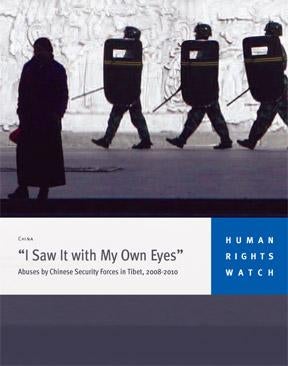
Abuses by Chinese Security Forces in Tibet, 2008-2010
This 73-page report is based on more than 200 interviews with Tibetan refugees and visitors conducted immediately after they left China, as well as fresh, not previously reported, official Chinese sources.
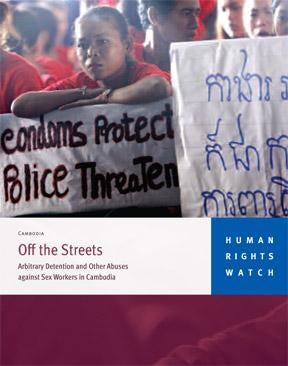
Arbitrary Detention and Other Abuses against Sex Workers in Cambodia
This 76-page report is based on more than 90 interviews and group discussions with female and transgender sex workers in Phnom Penh, Battambang, Banteay Meanchey, and Siem Reap. It describes how sex workers face a wide range of abuses, including beatings, extortion, and rape at the hands of authorities, particularly in Phnom Penh.
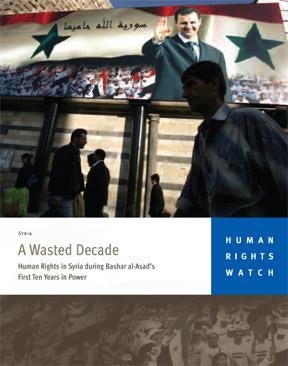
Human Rights in Syria during Bashar al-Asad’s First Ten Years in Power
This 35-page report reviews al-Asad's human rights record in five key areas: repression of political and human rights activism; restrictions on freedom of expression; torture; treatment of the Kurds; and Syria's legacy of enforced disappearances. The verdict is bleak.
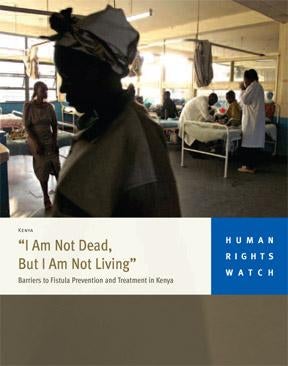
Barriers to Fistula Prevention and Treatment in Kenya
This 82-page report describes the devastating condition facing women with fistula in Kenya and the wide gap between government's policies to address reproductive health and the reality of women's daily lives.
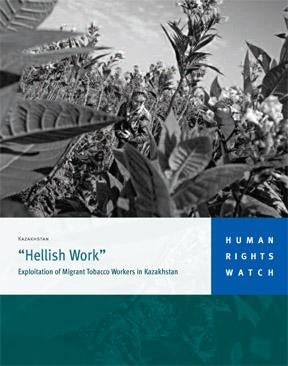
Exploitation of Migrant Tobacco Workers in Kazakhstan
This 115-page report documents how some employers confiscated migrant workers' passports, failed to provide them with written contracts, did not pay regular wages, cheated them of earnings, and required them to work excessively long hours.
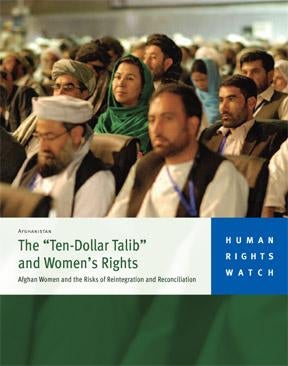
Afghan Women and the Risks of Reintegration and Reconciliation
This 65-page report addresses the potential challenges to women's rights posed by future government agreements with insurgent forces. The report describes how in areas under Taliban control, women are often subjected to threats, intimidation and violence, girls' education is targeted, and women political leaders and activists are attacked and killed with impunity.
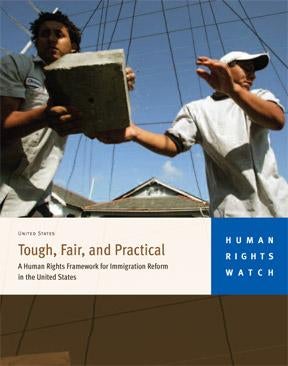
A Human Rights Framework for Immigration Reform in the United States
This 24-page report proposes a framework for improving US immigration law that would give immigrant crime victims a chance to seek justice, protect workers, respect the private and family life of longtime residents, and provide fair treatment for immigrants who come before the courts.
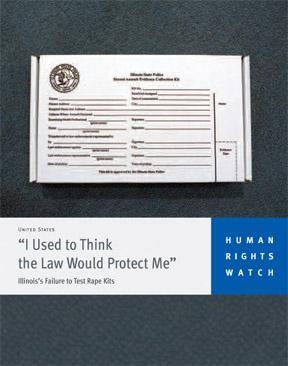
This 42-page report collected comprehensive testing data from 127 of 264 jurisdictions in Illinois and found that only 1,474 of 7,494 sets of physical evidence, known as "rape kits," booked into evidence since 1995 could be confirmed as tested. That suggests 80 percent of rape kits may never have been examined in the state.
This 64-page report examines the use of the stop-and-search power under section 44 of the act. The power is intended to prevent terrorism. But despite almost 450,000 section 44 stops and searches throughout the United Kingdom between April 2007 and April 2009, no one was successfully prosecuted for a terrorism offense as a result.
Rights Violations in the April 2010 Sudan Elections
This 32-page report documents numerous rights violations across Sudan by both northern and southern authorities in the period leading up to, during, and following the April elections.
Intelligence Cooperation with Countries that Torture
The 62-page report analyzes the ongoing cooperation by the governments of France, Germany, and the United Kingdom with foreign intelligence services in countries that routinely use torture. The three governments use the resulting foreign torture information for intelligence and policing purposes. Torture is prohibited under international law, with no exceptions allowed.
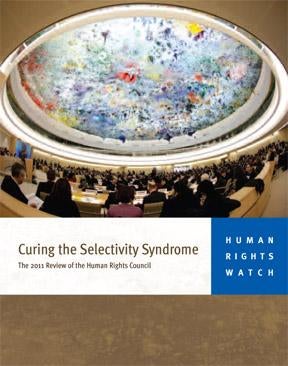
Curing the Selectivity Syndrome examines the successes and failures of the Human Rights Council to date, and finds significant gaps in the performance of its mandate. Human Rights Watch calls on the Council to engage on all human rights situations that need its attention and to overcome selectivity in its work.
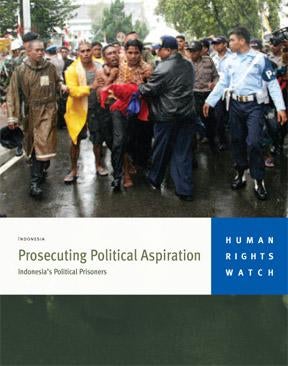
This 43-page report is based on more than 50 jailhouse interviews with political prisoners conducted between December 2008 and May 2010. It describes the arrest and prosecution of activists for peacefully raising banned symbols, such as the Papuan Morning Star and the South Moluccan RMS flags.
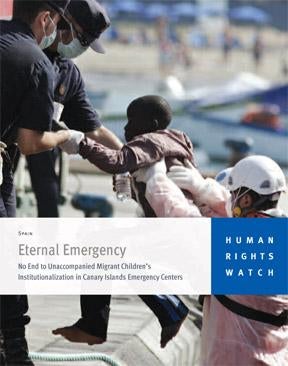
No End to Unaccompanied Migrant Children’s Institutionalization in Canary Islands Emergency Centers
This 40-page report says that the centers fail to comply with the Canary Islands government's minimum care standards for migrant children and have no occupancy limits. The approximately 100 children in the biggest and most secluded emergency center, La Esperanza, receive low-quality food, lack adequate heating, hot water, and blankets, and report frequent violence from other children.
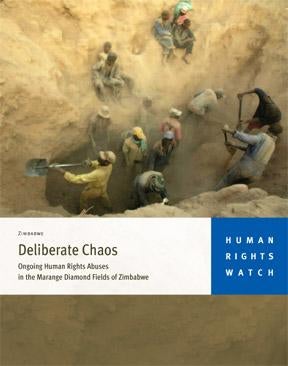
Ongoing Human Rights Abuses in the Marange Diamond Fields of Zimbabwe
Human Rights Watch has received new reports that soldiers in Marange are engaging in forced labor, torture, beatings, and harassment. Human Rights Watch documented rampant killings and other abuses in Marange last year.