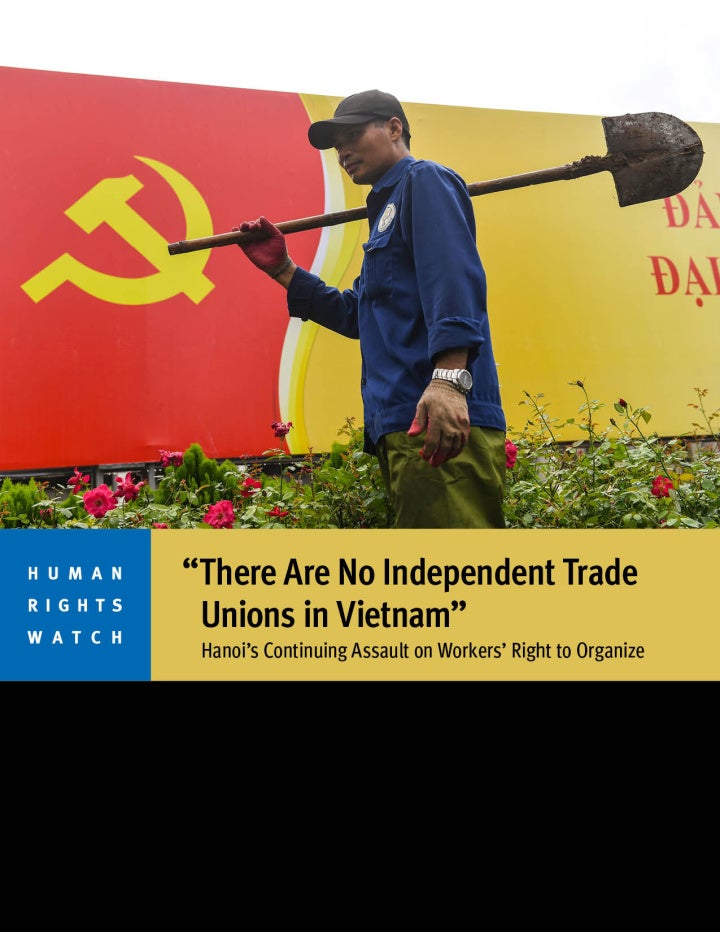
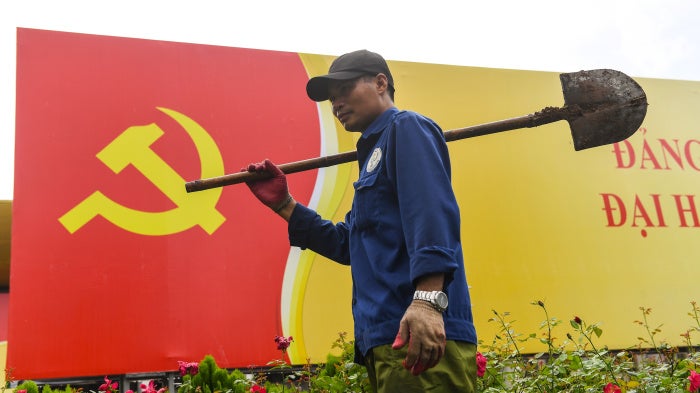
Hanoi’s Continuing Assault on Workers’ Right to Organize
The 49-page report, “There Are No Independent Trade Unions in Vietnam: Hanoi’s Continuing Assault on Workers’ Right to Organize,” documents the Vietnamese governments’ continuing useof vague, overbroad criminal laws to suppress the activities of human rights and labor rights defenders, while maintaining an atmosphere of repression to thwart independent labor organizing. The government has issued decrees and articles in state-run media that reaffirm that all labor organizations in Vietnam are under the government’s authority, and portray independent trade unions as dangerous, anti-state entities.
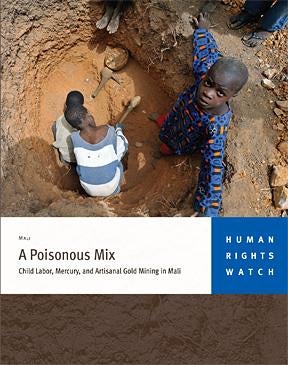
Child Labor, Mercury, and Artisanal Gold Mining in Mali
This 108-page report reveals that children as young as six dig mining shafts, work underground, pull up heavy weights of ore, and carry, crush, and pan ore. Many children also work with mercury, a toxic substance, to separate the gold from the ore. Mercury attacks the central nervous system and is particularly harmful to children.
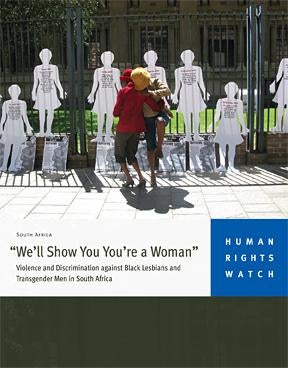
Violence and Discrimination against Black Lesbians and Transgender Men in South Africa
This 93-page report is based on more than 120 interviews conducted in six provinces. Human Rights Watch found that lesbians and transgender men face extensive discrimination and violence in their daily lives, both from private individuals and government officials.
This 59-page report calls for the government to stand by its public commitments and international treaty obligations to conduct credible investigations and prosecute those responsible for abuses.
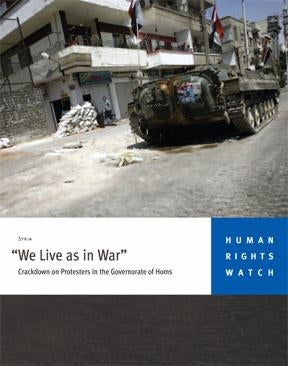
Crackdown on Protesters in the Governorate of Homs, Syria
This report is based on more than 110 interviews with victims and witnesses from Homs, both the city and the surrounding governorate of the same name. The area has emerged as a center of opposition to the government of President Bashar al-Assad.
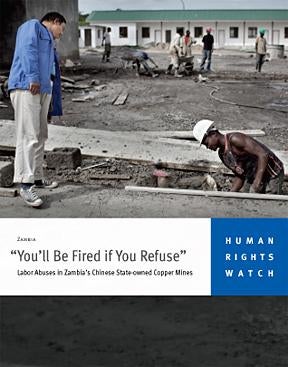
Labor Abuses in Zambia's Chinese State-owned Copper Mines
This 122-page report details the persistent abuses in Chinese-run mines, including poor health and safety conditions, regular 12-hour and even 18-hour shifts involving arduous labor, and anti-union activities, all in violation of Zambia’s national laws or international labor standards.
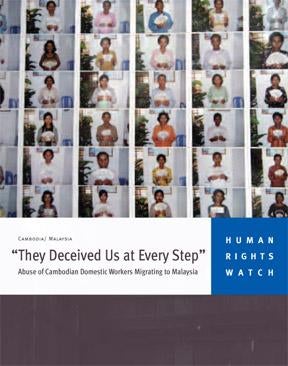
Abuse of Cambodian Domestic Workers Migrating to Malaysia
This report documents Cambodian domestic workers’ experiences during recruitment, work abroad, and upon their return home. It is based on 80 interviews with migrant domestic workers, their families, government officials, nongovernmental organizations, and recruitment agents.
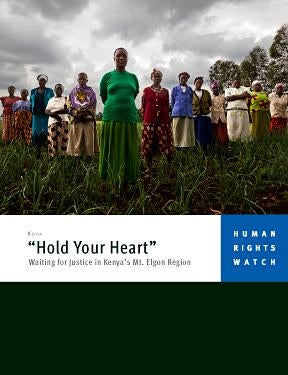
This 48-page report examines the attempts of families of those forcibly disappeared by the Kenyan army and the SLDF militia to seek truth and justice. In the last three years, the Kenyan government has done little to assist victims in their search, Human Rights Watch said, and has not ensured an independent, impartial inquiry into the abuses by either side.
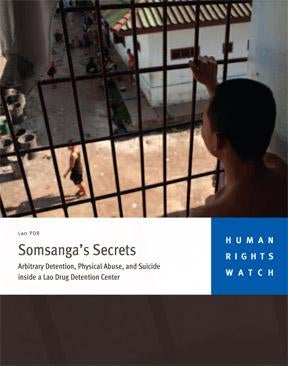
Arbitrary Detention, Physical Abuse, and Suicide inside a Lao Drug Detention Center
This report examines conditions in the Somsanga Treatment and Rehabilitation Center, which has received a decade of international support from the United States, the United Nations, and other donors. Detainees are held without due process, and many are locked in cells inside barbed wire compounds.
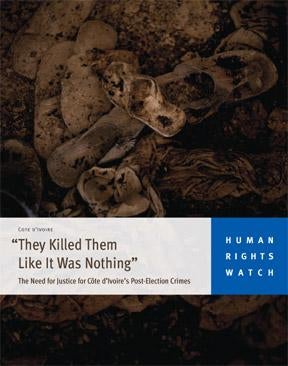
The Need for Justice for Côte d’Ivoire’s Post-Election Crimes
This 130-page report details the war crimes and likely crimes against humanity committed by forces under both Gbagbo and Ouattara. It documents the horrific human rights abuses that took place from November 2010, when Gbagbo lost an election and refused to yield power, through June 2011. Ouattara took power in April 2011.
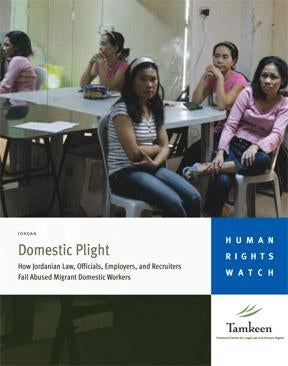
How Jordanian Laws, Officials, Employers, and Recruiters Fail Abused Migrant Domestic Workers
This 111-page report documents abuses against domestic workers and the failure of Jordanian officials to hold employers and the agents who recruited the workers accountable.
A Briefing on Eritrea’s Missing Political Prisoners
In September 2001, President Isaias Afewerki of Eritrea ordered the detention of 21 senior government members and journalists who criticized him and his government. Since then, Isaias has closed all independent media outlets and turned Eritrea into a country where arbitrary arrest, torture, disappearance, and death are rife and where it is almost impossible to leave.
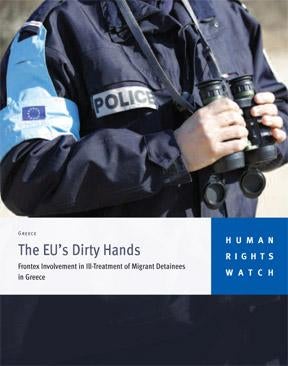
Frontex Involvement in Ill-Treatment of Migrant Detainees in Greece
This report assesses Frontex’s role in and responsibility for exposing migrants to inhuman and degrading detention conditions during four months beginning late in 2010 when its first rapid border intervention team (RABIT) was apprehending migrants and taking them to police stations and migrant detention centers in Greece’s Evros region.