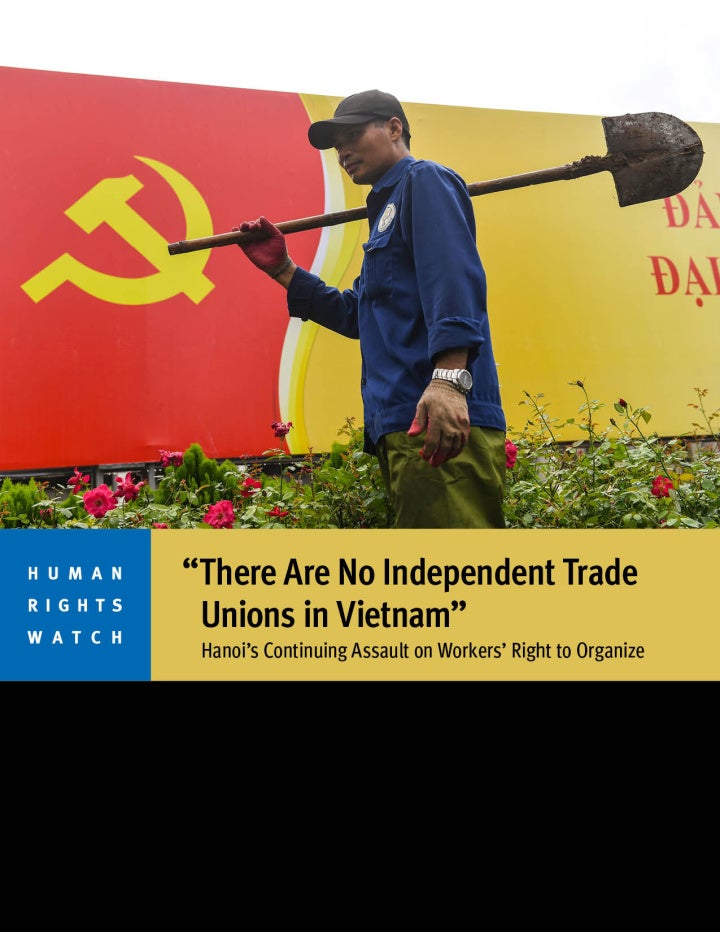
Hanoi’s Continuing Assault on Workers’ Right to Organize
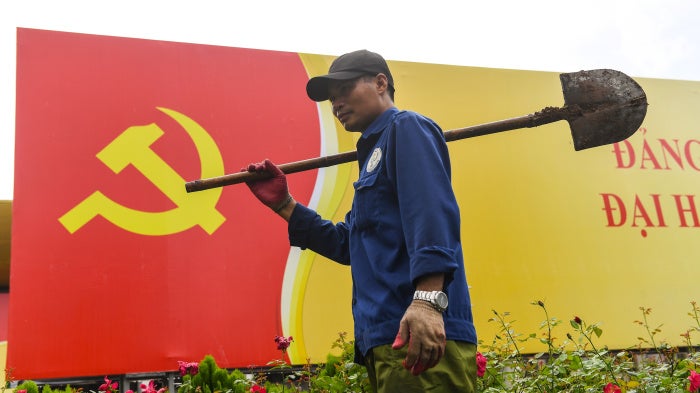
The 49-page report, “There Are No Independent Trade Unions in Vietnam: Hanoi’s Continuing Assault on Workers’ Right to Organize,” documents the Vietnamese governments’ continuing useof vague, overbroad criminal laws to suppress the activities of human rights and labor rights defenders, while maintaining an atmosphere of repression to thwart independent labor organizing. The government has issued decrees and articles in state-run media that reaffirm that all labor organizations in Vietnam are under the government’s authority, and portray independent trade unions as dangerous, anti-state entities.
Gang Attacks in Western Kenya and the Government’s Failed Response
The 37-page report based on Human Rights Watch research in the two counties, documents the little-reported attacks on nine villages in Busia and Bungoma counties by criminal gangs of armed young men from March to July 2013. The attackers, using machetes, clubs, and axes, killed a total of 10 people and seriously injured more than 150.
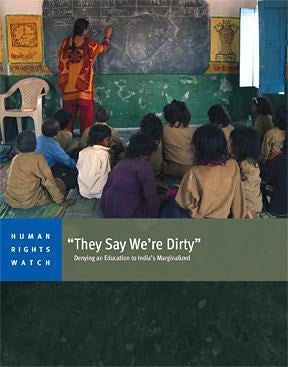
The 77-page report documents discrimination by school authorities in four Indian states against Dalit, tribal, and Muslim children. The discrimination creates an unwelcome atmosphere that can lead to truancy and eventually may lead the child to stop going to school.
Killings and Arrests by Sudan’s Security Forces during the September Protests
This 32-page report describes unlawful killings, arbitrary detentions, ill-treatment and torture of detainees, and other serious abuses committed by government security forces.
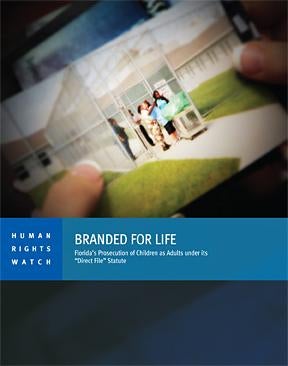
Florida’s Prosecution of Children as Adults under its "Direct File" Statute
This 110-page report details the harm that results from the state’s practice of giving prosecutors full discretion to decide which children to prosecute in adult courts. More than 98 percent of the 1,500 cases of children charged as adults between 2012 and 2013 were brought by prosecutors under the direct file statute.
The 102-page report examines cases of alleged police abuse in Malaysia since 2009, drawing on first-hand interviews and complaints by victims and their families. Human Rights Watch found that investigations into police abuse are conducted primarily by the police themselves, lack transparency, and officers implicated in abuses are almost never prosecuted.
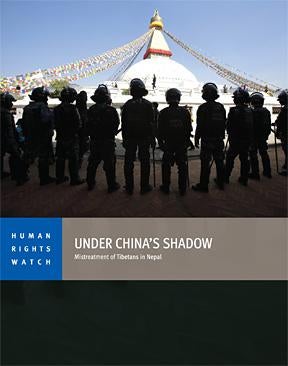
The 100-page report shows that Tibetan refugee communities in Nepal are now facing a de facto ban on political protests, sharp restrictions on public activities promoting Tibetan culture and religion, and routine abuses by Nepali security forces.
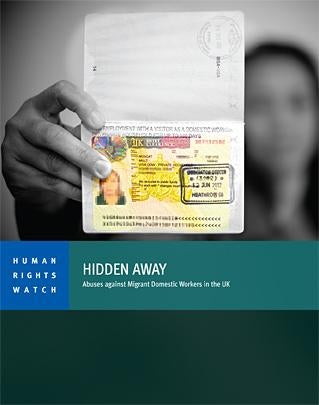
The 58-page report documents the confiscation of passports, confinement to the home, physical and psychological abuse, extremely long working hours with no rest days, and very low wages or non-payment of wages.
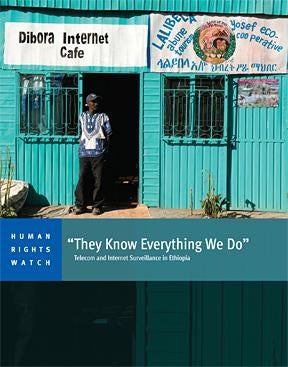
The 137 page report details the technologies the Ethiopian government has acquired from several countries and uses to facilitate surveillance of perceived political opponents inside the country and among the diaspora. The government’s surveillance practices violate the rights to freedom of expression, association, and access to information.
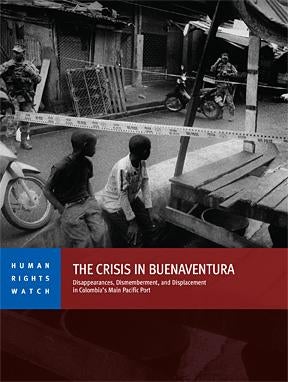
Disappearances, Dismemberment, and Displacement in Colombia’s Main Pacific Port
This 30-page report documents how many of the city’s neighborhoods are dominated by powerful criminal groups that commit widespread abuses, including abducting and dismembering people, sometimes while still alive, then dumping them in the sea.
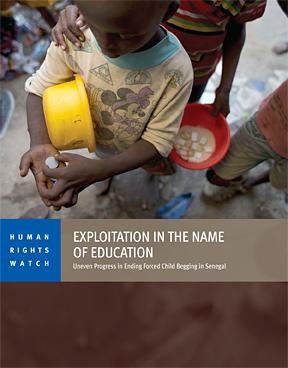
Uneven Progress in Ending Forced Child Begging in Senegal
The 43-page report examines Senegal’s mixed record in addressing the problem in the year since a fire ripped through a Quranic boarding school in Dakar housed in a makeshift shack, killing eight boys.
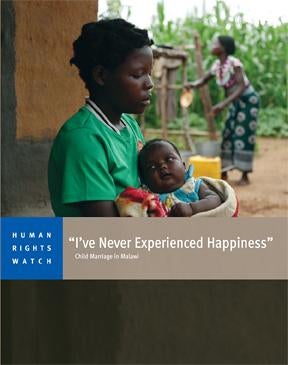
This 69-page report documents how child marriage prevents girls and women from participating in all spheres of life. The practice violates the rights to health, to education, to be free from physical, mental, and sexual violence, and to marry only when able and willing to give free and full consent.
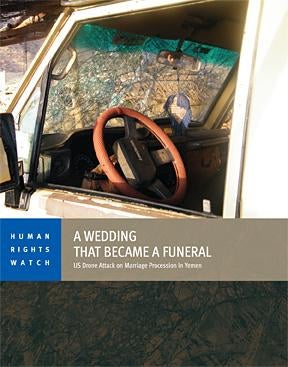
This 28-page report calls on the US government to investigate the strike, publish its findings, and act in the event of wrongdoing. The December 12 attack killed 12 men and wounded at least 15 other people, including the bride.
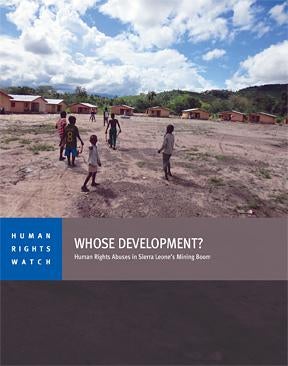
This 96-page report documents how the government and London-based African Minerals Limited forcibly relocated hundreds of families from verdant slopes to a flat, arid area in Tonkolili District. As a result, residents lost their ability to cultivate crops and engage in income generating activities that once sustained them.
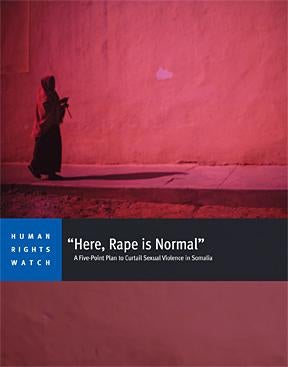
A Five-Point Plan to Curtail Sexual Violence in Somalia
This 72-page report provides a roadmap for the government and its international donors to establish a comprehensive strategy to reduce rape, provide survivors with immediate and urgent assistance, and develop a long-term approach to end these abuses.
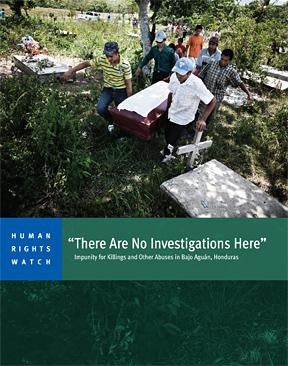
Impunity for Killings and Other Abuses in Bajo Aguán, Honduras
This 72-page repor examines 29 homicides and two abductions in Bajo Aguán since 2009, as well as human rights violations by soldiers and police. Human Rights Watch found that prosecutors and police consistently failed to carry out prompt and thorough investigations into these crimes, a failure that Honduran public prosecutors, police, and military officials acknowledged in interviews.