Hanoi’s Continuing Assault on Workers’ Right to Organize
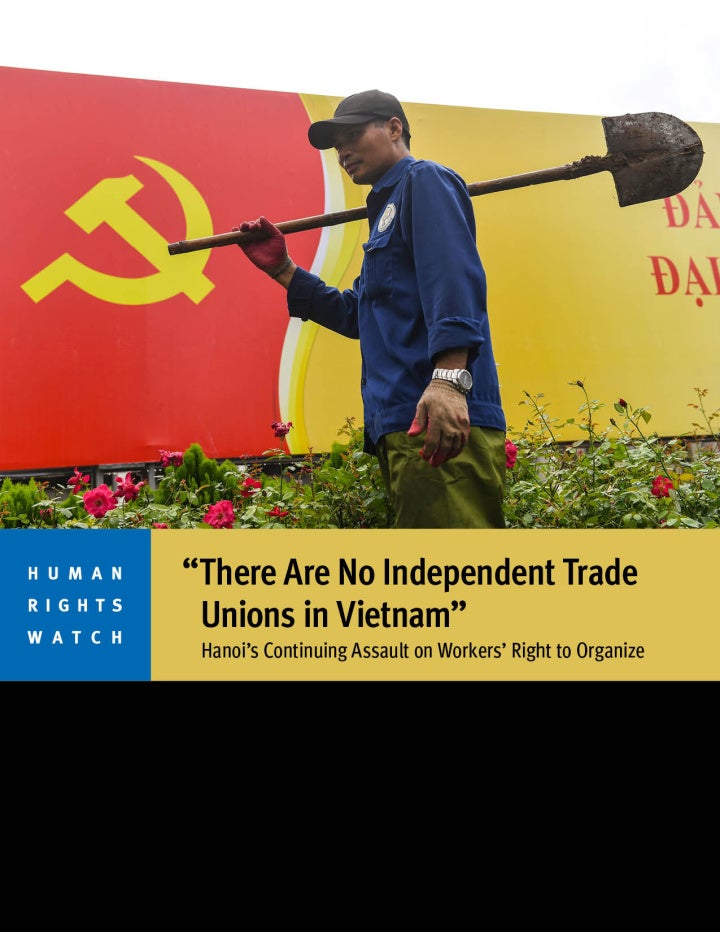
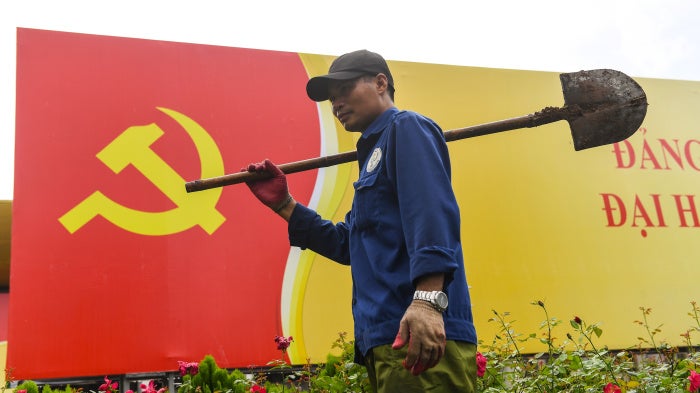
The 49-page report, “There Are No Independent Trade Unions in Vietnam: Hanoi’s Continuing Assault on Workers’ Right to Organize,” documents the Vietnamese governments’ continuing useof vague, overbroad criminal laws to suppress the activities of human rights and labor rights defenders, while maintaining an atmosphere of repression to thwart independent labor organizing. The government has issued decrees and articles in state-run media that reaffirm that all labor organizations in Vietnam are under the government’s authority, and portray independent trade unions as dangerous, anti-state entities.
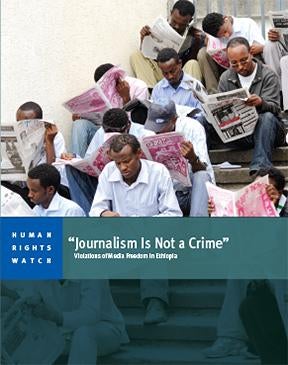
This 54-page report says that authorities failed to hold anyone accountable for attacks on journalists and media outlets since 2012, most of which were committed by non-state actors. Meanwhile, courts are prosecuting people, including journalists, for speech-related offenses, particularly for defaming public officials.
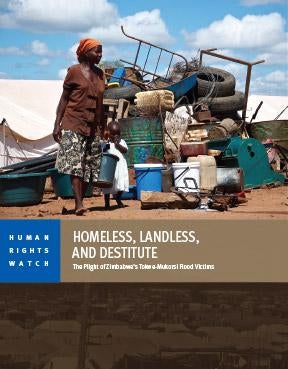
The Plight of Zimbabwe’s Tokwe-Mukorsi Flood Victims
This 57-page report documents human rights violations suffered by people forced to suddenly evacuate their homes due to massive flooding in the Tokwe-Mukorsi dam basin in February 2014, which some experts say could have been avoided.
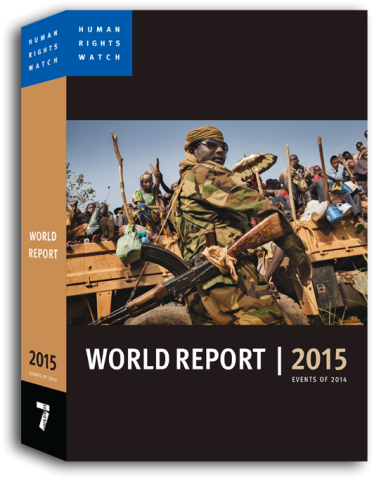
Human Rights Watch's 25th annual World Report summarizes human rights conditions in more than 90 countries and territories worldwide in 2014. It reflects extensive investigative work that Human Rights Watch staff conducted during the year, often in close partnership with domestic human rights activists.
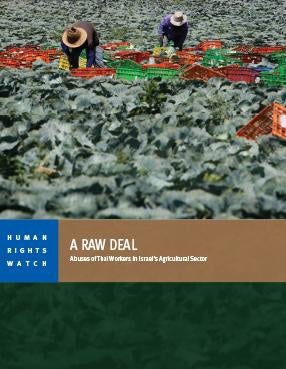
Abuse of Thai Workers in Israel’s Agricultural Sector
This 48-page report documents low pay, excessive working hours, hazardous working conditions, and poor housing for some of Israel’s Thai agricultural workers – and employer retribution if they try to protest by going on strike.
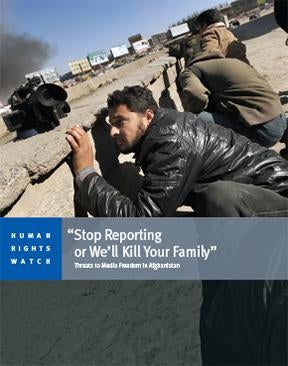
This 48-page report documents harassment, intimidation, and attacks on journalists and the Afghan government’s failure to investigate and prosecute those responsible. The failure to protect journalistic freedom has emboldened those determined to suppress criticism of the government, the security forces, and other powerful entities in Afghan society.
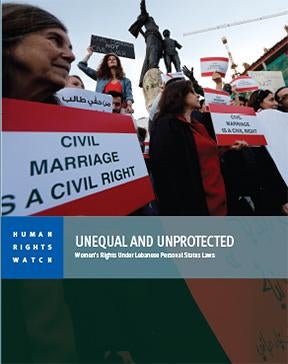
Women’s Rights under Lebanese Personal Status Laws
This 114-page report found that, across all religions, personal status laws erect greater barriers for women than men who wish to terminate unhappy or abusive marriages, initiate divorce proceedings, ensure their rights concerning their children after divorce, or secure pecuniary rights from a former spouse.
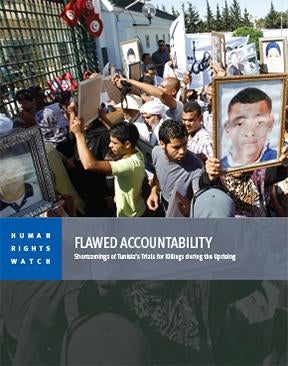
Shortcomings of Tunisia’s Trials for Killings during the Uprising
This 52-page report analyzes Tunisia’s efforts to bring to justice those responsible for the use of excessive force by police between December 17, 2010, and January 14, 2011, when Ben Ali relinquished power and fled Tunisia. During that period, 132 protesters were killed and hundreds more were injured.
The 67-page report chronicles Hun Sen’s career from being a Khmer Rouge commander in the 1970s to his present role as prime minister and head of the ruling Cambodian People’s Party (CPP). The report details the violence, repression, and corruption that have characterized his rule under successive governments since 1985.
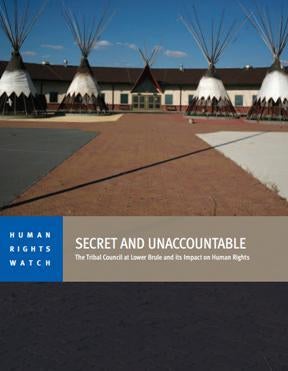
The Tribal Council at Lower Brule and its Impact on Human Rights
This 112-page report documents many of the problems with tribal governance at Lower Brule for the first time. It details how the Tribal Council has diverted millions of dollars in federal funds away from key social programs without explaining how those funds were spent.
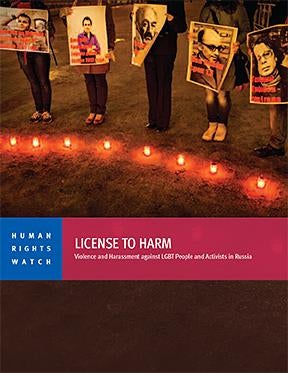
Violence and Harassment against LGBT People and Activists in Russia
This 85-page report is based on dozens of detailed interviews with LGBT people and activists in 16 cities across Russia who experienced attacks or aggressive harassment because of their sexual orientation or gender identity.
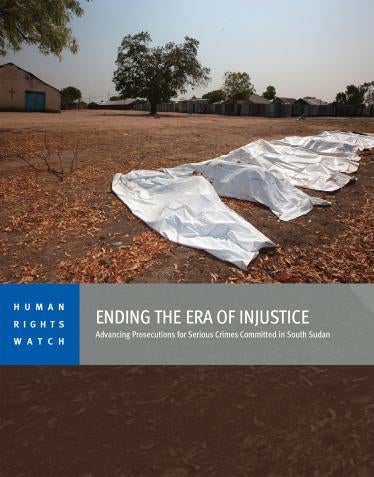
Advancing Prosecutions for Serious Crimes Committed in South Sudan’s New War
This 38-page report draws from interviews with South Sudanese judges, prosecutors, private lawyers, victims, government officials, nongovernmental groups, UN staff, and foreign diplomats in October 2014 to explain why justice is needed, and makes recommendations to ensure perpetrators are held to account.
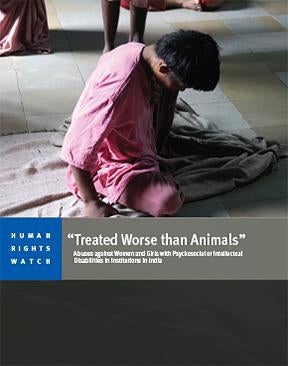
Abuses against Women and Girls with Psychosocial or Intellectual Disabilities in Institutions in India
This report documents involuntary admission and arbitrary detention in mental hospitals and residential care institutions across India, where women and girls with psychosocial or intellectual disabilities experience overcrowding and lack of hygiene, inadequate access to general healthcare, forced treatment – including electroconvulsive therapy – as well as physical, verbal, and sexual violence.
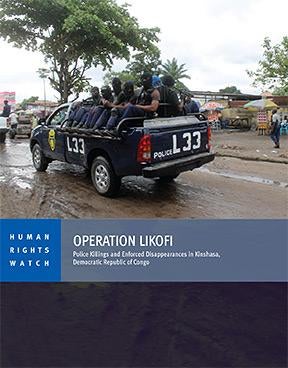
Police Killings and Enforced Disappearances in Kinshasa, Democratic Republic of Congo
The 57-page report details how uniformed police, often wearing masks, dragged kuluna, or suspected gang members, from their homes at night and executed them. The police shot and killed the unarmed young men and boys outside their homes, in the open markets where they slept or worked, and in nearby fields or empty lots.