The Inhumane Effects of White Phosphorus Munitions and the Need for Stronger Law
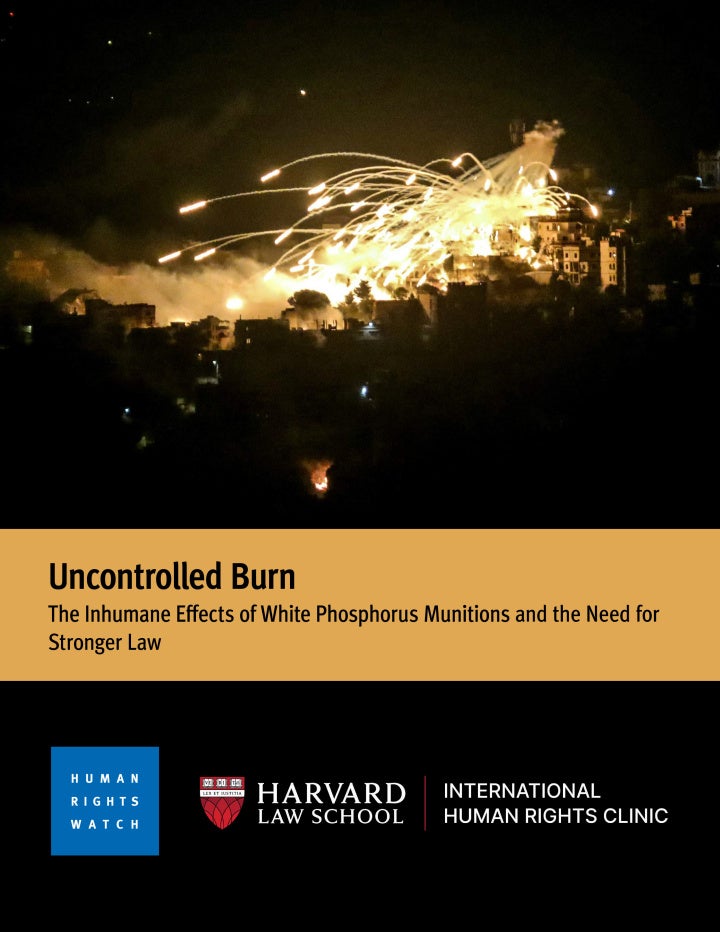
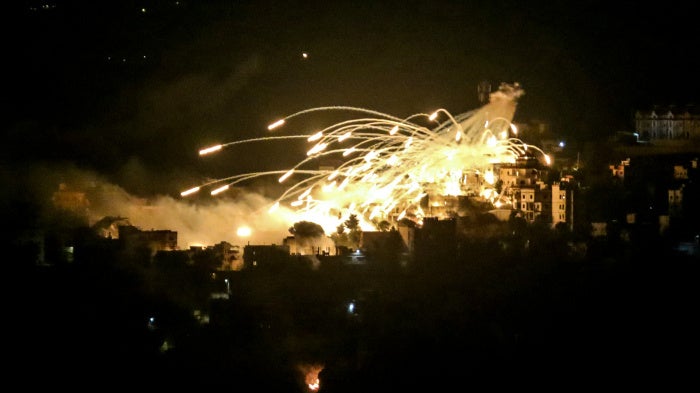
The 45-page report, “Uncontrolled Burn: The Inhumane Effects of White Phosphorus Munitions and the Need for Stronger Law,” documents 23 verified incidents of Israeli use in southern Lebanon between March and May 2026. The report also details the horrific harm the munitions have caused in armed conflicts in recent years. White phosphorus munitions, which produce fire when their payload is exposed to oxygen, are not currently regulated by a specific treaty.
Summary Executions by Syrian Security Forces and Pro-Government Militias
This 23-page report documents more than a dozen incidents involving at least 101 victims since late 2011, many of them in March 2012. Human Rights Watch documented the involvement of Syrian forces and pro-government shabeeha militias in summary and extrajudicial executions in the governorates of Idlib and Homs.
Discrimination against Roma, Jews, and Other National Minorities in Bosnia and Herzegovina
This 62-page report highlights discrimination against Roma, Jews, and other national minorities in politics and government. Much of this discrimination stems from Bosnia’s 1995 Constitution, which mandates a system of government based on ethnicity and excludes these groups from high political office.
The Imprisonment of Women and Girls for “Moral Crimes” in Afghanistan
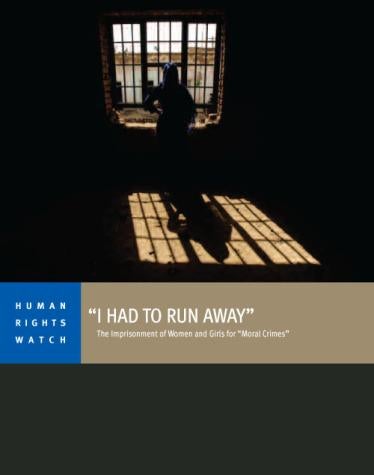
<p>This 120-page report is based on 58 interviews conducted in three prisons and three juvenile detention facilities with women and girls accused of “moral crimes.” Almost all girls in juvenile detention in Afghanistan had been arrested for “moral crimes,” while about half of women in Afghan prisons were arrested on these charges.</p>
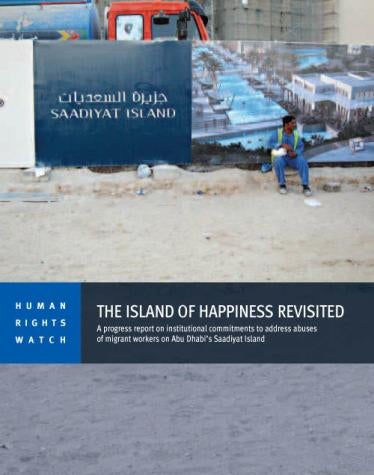
A Progress Report on Institutional Commitments to Address Abuses of Migrant Workers on Abu Dhabi’s Saadiyat Island
The United Arab Emirates is converting Saadiyat Island into an international tourist destination, and will house a campus of New York University and museums, including branches of the Guggenheim and the Louvre.
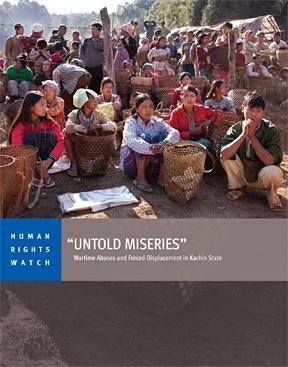
Wartime Abuses and Forced Displacement in Burma’s Kachin State
This 83-page report describes how the Burmese army has attacked Kachin villages, razed homes, pillaged properties, and forced the displacement of tens of thousands of people. Soldiers have threatened and tortured civilians during interrogations and raped women. The army has also used antipersonnel mines and conscripted forced laborers, including children as young as 14, on the front lines.
Lessons of International Support for Trials before the State Court of Bosnia and Herzegovina
This 47-page report highlights key lessons from the involvement of international judges and prosecutors to boost national staff capacity to try sensitive and complex cases stemming from the 1992-1995 war. In the seven years since the State Court began operations, its chamber and the Special Department for War Crimes (SDWC) in the Prosecutor’s Office have completed more than 200 cases.
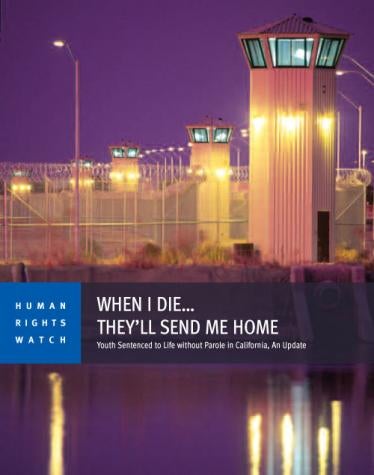
Youth Sentenced to Life in Prison without Parole in California, An Update
This 28-page report draws on six years of research, interviews, and correspondence with correctional officials and youth offenders serving life without parole.
Forced Evictions, Unlawful Expropriations, and House Demolitions in Azerbaijan’s Capital
This report documents the Azerbaijani authorities’ illegal expropriation of properties and forcible evictions of dozens of families in four Baku neighborhoods, at times without warning or in the middle of the night. The authorities subsequently demolished homes, sometimes with residents’ possessions inside.
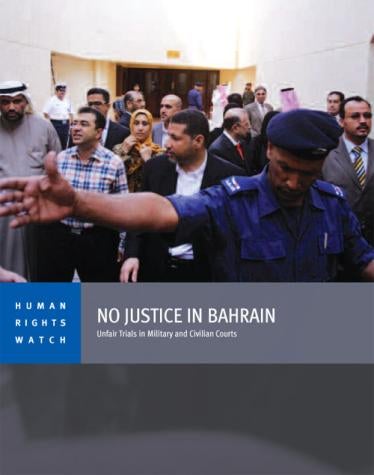
This report documents serious due process violations in high-profile trials before Bahrain’s special military courts in 2011 – including one trial of 21 prominent political activists and another of 20 doctors and other medical personnel – and in politically motivated trials before ordinary criminal courts since 2010.
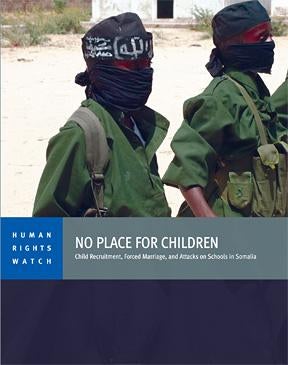
Child Recruitment, Forced Marriage, and Attacks on Schools in Somalia
This 104-page report details unlawful recruitment and other laws-of-war violations against children by all parties to the conflict in Somalia since 2010. The report is based on over 164 interviews with Somali children, including 21 who had escaped from al-Shabaab forces, as well as parents and teachers who had fled to Kenya.
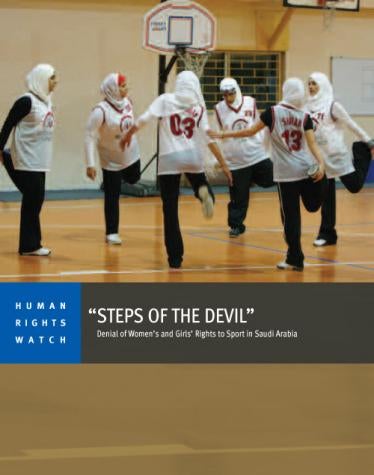
Denial of Women’s and Girls’ Rights to Sport in Saudi Arabia
<p>This report documents discrimination by Saudi Arabia’s Ministry of Education in denying girls physical education in state schools, as well as discriminatory practices by the General Presidency for Youth Welfare, a youth and sports ministry, in licensing women’s gyms and supporting only all-male sports clubs.</p>
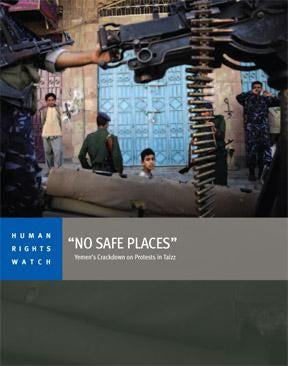
When Yemenis took to the streets in January 2011 to demand an end to Saleh’s 33-year rule, Taizz, 250 kilometers south of the capital, Sanaa, became a center of both peaceful and armed resistance – and the scene of numerous human rights abuses and violations of the laws of war.
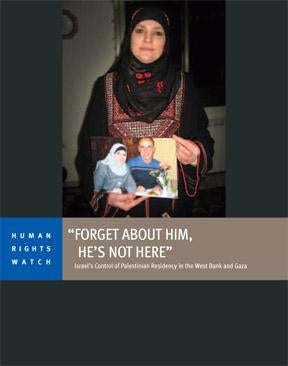
Israel’s Control of Palestinian Residency in the West Bank and Gaza
This report describes the arbitrary exclusion by the Israeli military of hundreds of thousands of Palestinians since 1967 and documents the impact that exclusion continues to have on individuals and families.
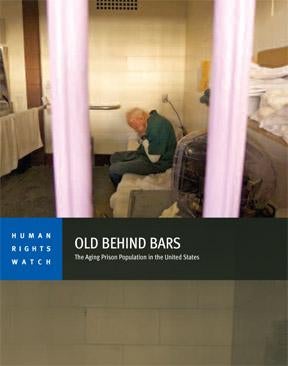
<p>This report includes new data Human Rights Watch developed from a variety of federal and state sources that document dramatic increases in the number of older US prisoners.</p>
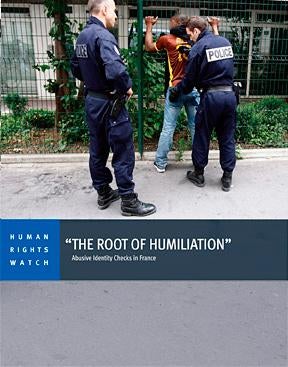
This 55-page report says that minority youth, including children as young as 13, are subjected to frequent stops involving lengthy questioning, invasive body pat-downs, and the search of personal belongings. These arbitrary stops can take place even in the absence of any indication of wrongdoing, Human Rights Watch found.