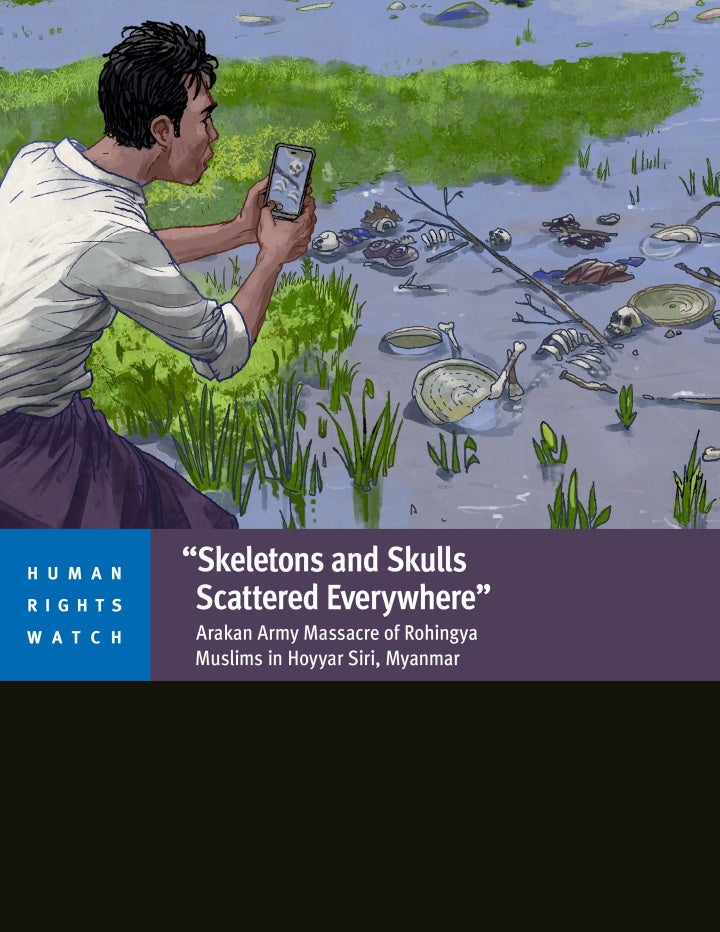
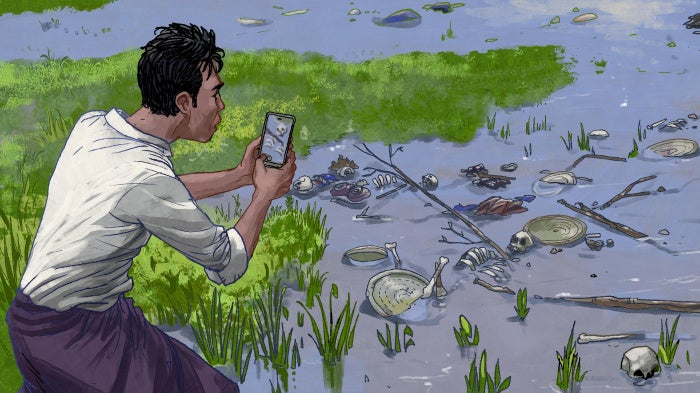
Arakan Army Massacre of Rohingya Muslims in Hoyyar Siri, Myanmar
The 56-page report, “‘Skeletons and Skulls Scattered Everywhere’: Arakan Army Massacre of Rohingya Muslims in Hoyyar Siri, Myanmar,” documents the May 2, 2024 attack, in which Arakan Army fighters deliberately fired on unarmed villagers who were seeking safety after the armed group advanced on two Myanmar military bases in the vicinity. Details of the massacre only began emerging more than a year later, after some survivors fled to Bangladesh and Malaysia.
Spotlight on Political Prisoners in One Iranian City
The 59-page report is based on a review of 189 cases in three prisons in the city of Karaj, near the capital, Tehran, including the charges they faced, details of their trials before revolutionary courts, and information from lawyers, prisoners’ families, and others.
The Rab’a Massacre and Mass Killings of Protesters in Egypt
The 188-page report documents the way the Egyptian police and army methodically opened fire with live ammunition on crowds of demonstrators opposed to the military’s July 3 ouster of Mohamed Morsy, Egypt’s first elected civilian president, at six demonstrations between July 5 and August 17, 2013.
The 92-page report documents how widespread killings of civilians, often based on their ethnicity, and mass destruction and looting of civilian property, have defined the conflict.
The 46-page report is based on interviews with more than 30 people affected by the non-admission policy. Human Rights Watch also documented Jordan’s withdrawal of Jordanian citizenship from some Palestinians who had lived in Syria for many years and who have been detained or deported to Syria without identity documents.
How Large-Scale US Surveillance is Harming Journalism, Law, and American Democracy
The 120-page report documents how national security journalists and lawyers are adopting elaborate steps or otherwise modifying their practices to keep communications, sources, and other confidential information secure in light of revelations of unprecedented US government surveillance of electronic communications and transactions.
The 214-page report examines 27 federal terrorism cases from initiation of the investigations to sentencing and post-conviction conditions of confinement. It documents the significant human cost of certain counterterrorism practices, such as overly aggressive sting operations and unnecessarily restrictive conditions of confinement.
The 71-page report documents human rights violations against street children by police and local government officials, as well as abuses by members of the community and older homeless children and adults. Police and other officials, including those from the Kampala Capital City Authority (KCCA), have beaten, extorted money from, and arbitrarily detained street children after targeted roundups.
Barriers to HIV Services and Treatment for Persons with Disabilities in Zambia
The 80-page report documents the obstacles faced by people with disabilities in both the community and healthcare settings. These include pervasive stigma and discrimination, lack of access to inclusive HIV prevention education, obstacles to accessing voluntary testing and HIV treatment, and lack of appropriate support for adherence to antiretroviral treatment.
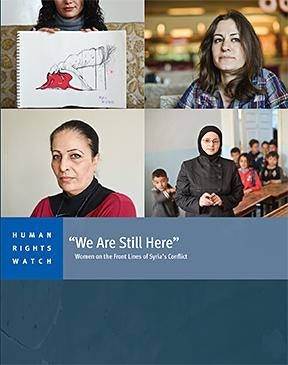
This 47-page report profiles 17 Syrian women who are now refugees in Turkey. Through written and photographic portraits, the report documents ways in which the conflict impacts women in particular.
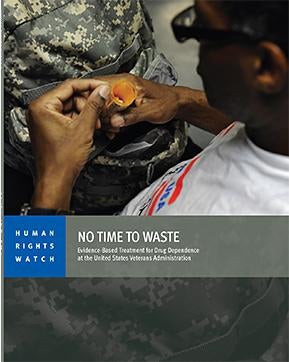
Evidence-Based Treatment for Drug Dependence at the United States Veterans Administration Department of Veterans Affairs
The 39-page report states that more than one million US veterans take prescription opioids for pain, and nearly half of them use the drugs “chronically,” or beyond 90 days.
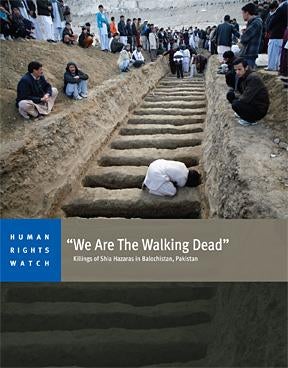
The 62-page report documents Sunni militant group attacks on the mostly Shia Hazara community in Balochistan. Since 2013, several hundreds of Hazara have been killed in steadily worsening targeted violence, including two bombings in the provincial capital, Quetta, in January and February 2013 that killed at least 180 people.
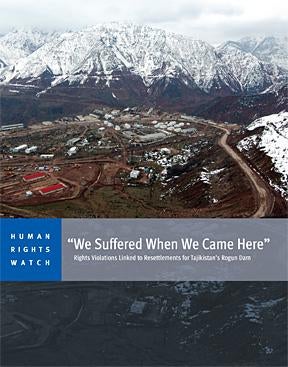
Rights Violations Linked to Resettlements for Tajikistan's Rogun Dam
The 81-page report examines serious shortcomings in the government’s resettlement of 1,500 families since 2009. The Rogun Dam and Hydropower Plant stands to displace over 42,000 people before it is operational. The major problem, people said, was that they were not given enough compensation to replace their homes.
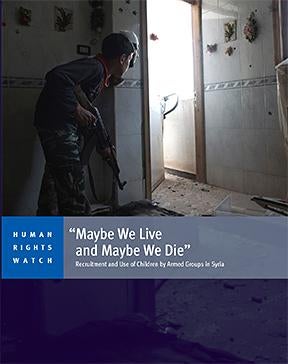
Recruitment and Use of Children by Armed Groups in Syria
The 31-page report documents the experiences of 25 children and former child soldiers in Syria’s armed conflict. Human Rights Watch interviewed children who fought with the Free Syrian Army, the Islamic Front coalition, and the extremist groups ISIS and Jabaht al-Nusra, an Al-Qaeda affiliate, as well as the military and police forces in Kurdish-controlled areas.
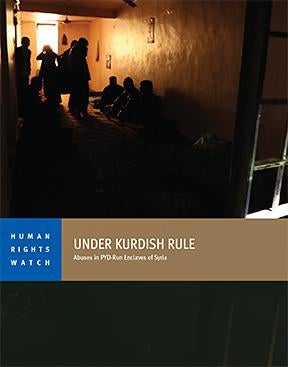
The 106-page report documents arbitrary arrests of the PYD’s political opponents, abuse in detention, and unsolved abductions and murders. It also documents the use of children in the PYD’s police force and armed wing, the People’s Protection Units (YPG).
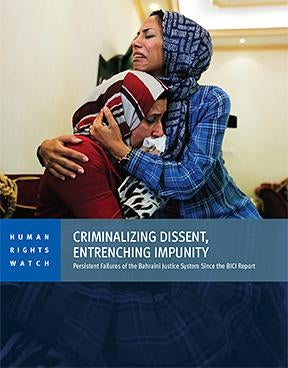
Persistent Failures of the Bahraini Justice System Since the BICI Report
The 64-page report found that more than two years after King Hamad bin Isa Al Khalifa accepted recommendations of the Bahrain Independent Commission of Inquiry (BICI) to free peaceful dissenters and hold abusive officials accountable. Bahrain’s courts play a key role in maintaining the country’s highly repressive political order, routinely sentencing peaceful protesters to long prison terms.