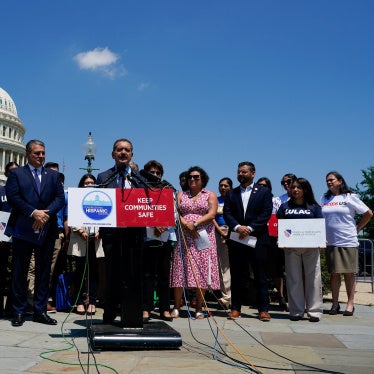

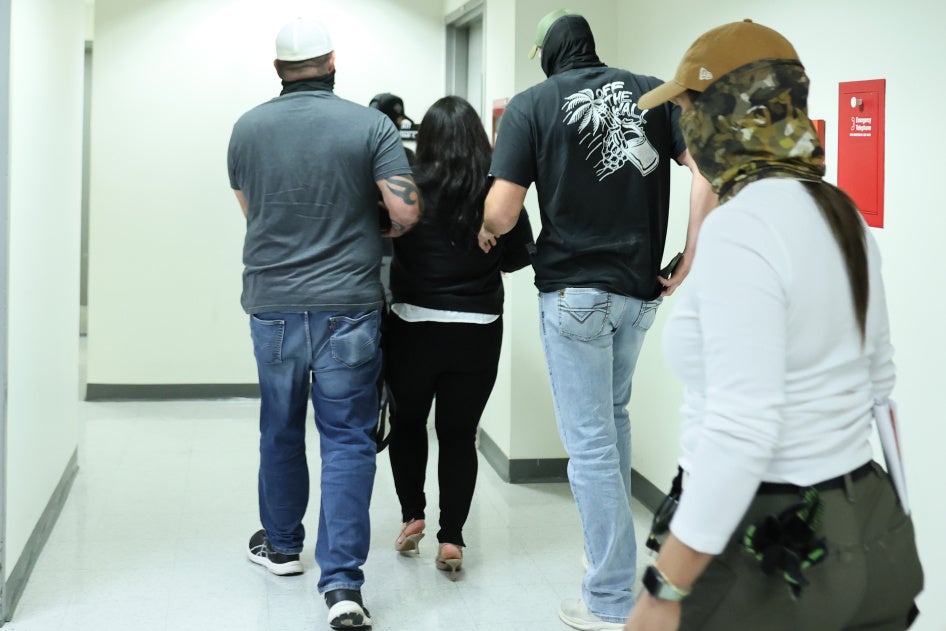
On May 20, a court in California temporarily suspended a Trump administration policy that stripped key protections from immigrant survivors of domestic violence. The 2025 directive at issue had made many immigrant survivors of domestic violence and human trafficking much more vulnerable to arrest, detention or deportation by the Immigration and Customs Enforcement agency (ICE).
Congress has recognized, including through the landmark Violence Against Women Act (VAWA) and the Victims of Trafficking and Violence Protection Act (TVPRA) that survivors without immigration authorization face heightened risks of abuse because perpetrators often weaponize immigration status and threats of deportation to control victims. Making sure that women, and all victims of domestic violence and trafficking, can report crimes and testify in court is crucial not only for their safety but the safety of the entire community, as Human Rights Watch has reported. In the same vein, Congress passed provisions, including the “U” and “T” visa, that provided survivors of domestic violence and trafficking with a path to legal residence and even citizenship if they cooperated with law enforcement efforts to hold abusers accountable.
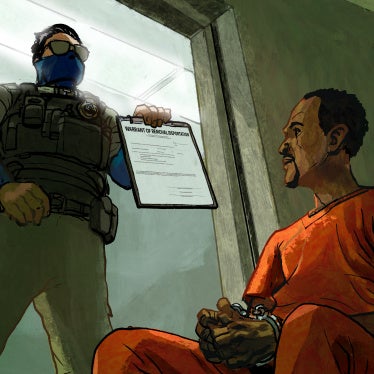
The 2025 guidelines told ICE officers that they no longer had to check if an immigrant was in process for a U or T visa before removing them. In the words of the court’s order last week, the Trump administration “dramatically changed ICE’s enforcement posture … to a policy of enforcement despite their pending applications.”
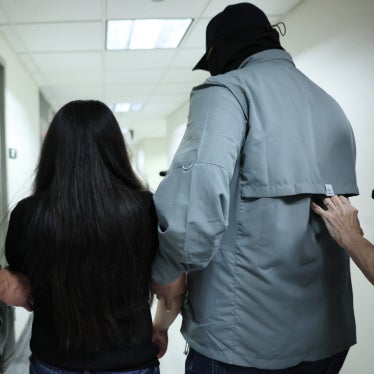
Under this new approach, women, including those named in the lawsuit, have faced ICE arrests, detentions and deportations despite their participation in the U and T visa programs. One woman who had escaped domestic violence and reported her husband’s abuse was arrested with her son when they attended a regular check-in appointment with ICE. Her pending U-visa application was disregarded and they were both deported.
Protecting women and girls from domestic violence is an important part of how governments protect the right to freedom against discrimination, to physical and mental integrity, and other human rights. Using immigration enforcement in ways that discourage survivors from seeking help ultimately places women and girls, who make up most domestic survivors, at greater risk of harm and weakens accountability for abuse.
The ruling in California offers some respite while the case works its way through the courts. Instead of fighting in court to uphold this disastrous policy, the Trump administration should do the right thing and roll it back.