New York Governor Kathy Hochul has announced a proposed budget deal that includes reforms aimed at blunting the abusive impact of Immigration and Customs Enforcement (ICE) operations in the state. The White House “border czar” Tom Homan has threatened to retaliate against such reforms, stating that ICE would “flood the zone” in New York or other states that pass similar legislation. New York leaders should stand up to the federal government’s abuse and do even more to protect immigrant rights.
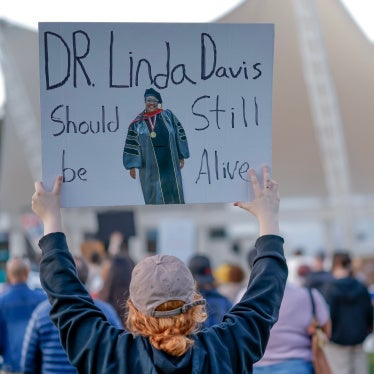
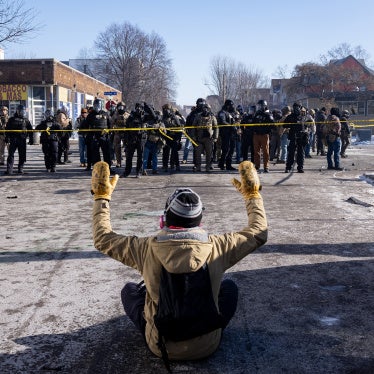
Human Rights Watch was in Los Angeles, Chicago, and Minnesota over the last year documenting widespread abuse by federal immigration agents including unlawful killings, arbitrary detention, excessive force, discrimination, and disruptions in access to health care, education, food, and work.
Hochul’s proposed reforms would bar 287(g) agreements that deputize local authorities for immigration enforcement. These agreements can lead to increased abuses and threaten public safety by, for example, deterring domestic violence survivors and other victims of crime from calling the police. But leading immigrant rights groups note that Hochul’s proposals still enable local coordination with ICE and are calling for lawmakers to impose more comprehensive restrictions.
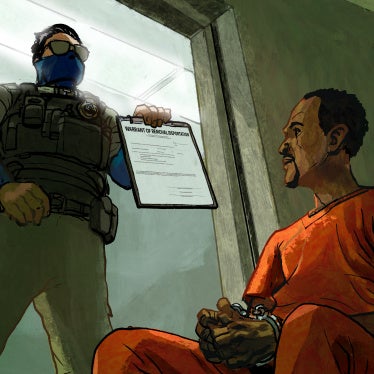
Proposed reforms would also ban the use of face coverings by law enforcement. The widespread practice of immigration agents hiding their identities exacerbates community fear and impedes accountability, and the federal government is not utilizing this concealment in furtherance of any legitimate purpose. ICE agents’ names and badge numbers should also be visible.
Another proposed reform would enable residents to sue local or federal officials under state law for violating the US Constitution, which could open an important pathway for accountability. Local advocates have also called for state lawmakers to eliminate qualified immunity, which shields officers from liability.
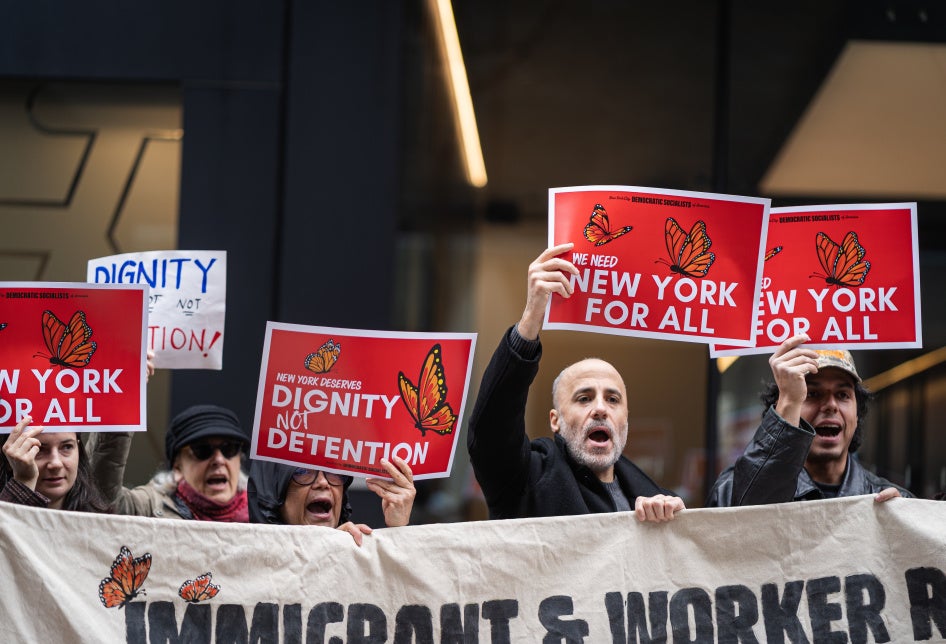
New York should take additional steps, including considering increasing funding to immigration legal services. Many advocates are also calling for lawmakers to pass the Dignity Not Detention Act to prohibit state, local, or private actors from contracting with ICE to carry out immigration detention, and the New York for All Act to restrict local coordination and resourcing of immigration enforcement actions.
State leaders should urgently enact measures to protect New Yorkers, including by broadly prohibiting collaboration with ICE abuse, restricting law enforcement’s use of masks, and helping to ensure accessible pathways to justice and accountability.