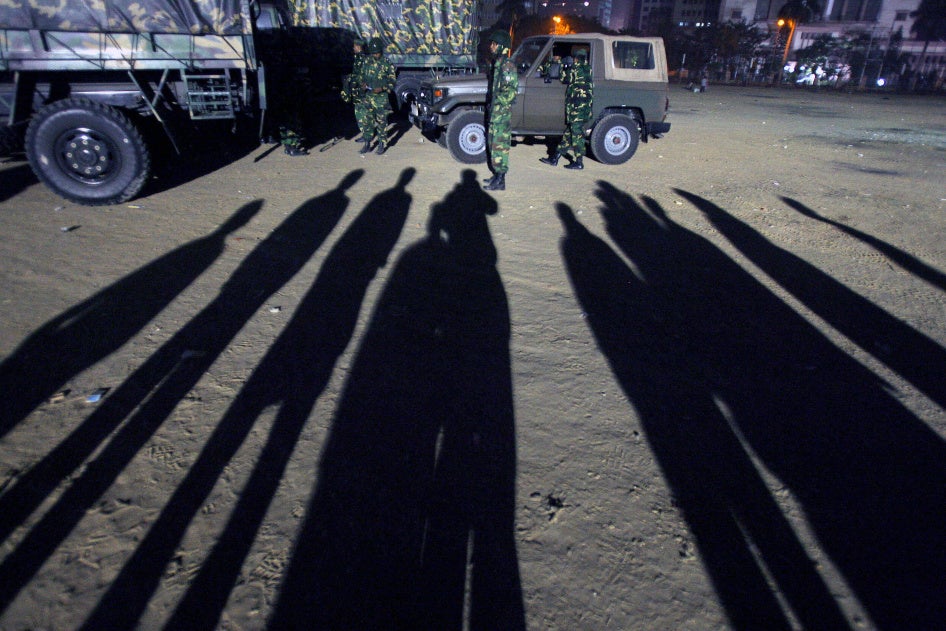
Bangladesh police have arrested three former army officers linked to the military-backed government that ruled the country from 2007 to 2009, when hundreds were arbitrarily arrested and many were tortured or killed in custody. As the new government of Prime Minister Tarique Rahman seeks to hold those responsible for past abuses to account, authorities should ensure due process, fair trials, and institutional reform to prevent violations from being repeated.
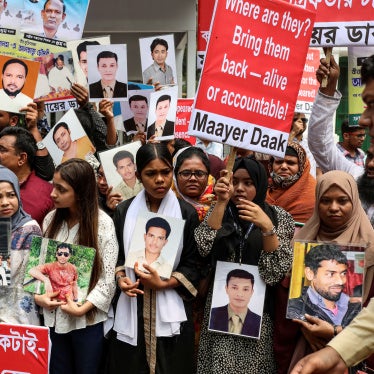
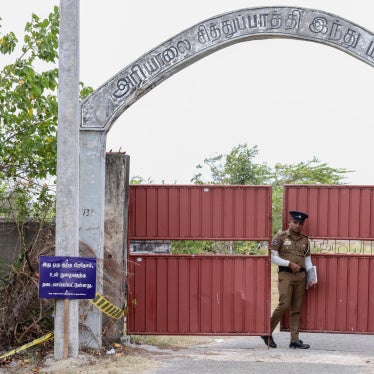
Recent investigations have implicated senior military and police officers in extrajudicial killings and enforced disappearances under former Prime Minister Sheikh Hasina’s Awami League government, which was forced out in 2024 after widespread protests. Bangladeshi security forces have committed countless rights violations over recent decades against the perceived opponents of the government of the day, including previous Bangladesh National Party and army-backed administrations.
On March 23, police arrested Lt Gen (retd) Masud Uddin Chowdhury. Police have filed cases against him related to 11 alleged offenses, including murder, human trafficking, and fraud in connection with his later civilian career recruiting overseas workers. On March 26, retired Lt Gen (retd) Mamun Khaled, a former chief of Bangladesh’s military intelligence agency known as the Directorate General of Forces Intelligence, was arrested on suspicion of crimes including murder and corruption. Mohammad Afzal Naser, another former military intelligence chief, was arrested on March 30, on suspicion of abuses during the suppression of the 2024 protests. All three were key figures during the 2007-2009 military-backed government.
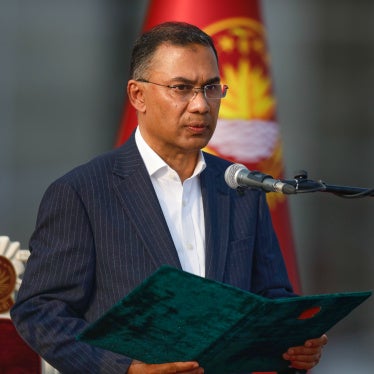
The current prime minister, Tarique Rahman, was allegedly among those tortured during the 2007-2009 military rule. He later spent 17 years in exile before returning to Bangladesh in December and winning a landslide election victory in February.
To build a rights-respecting future, Bangladesh authorities should end military involvement in civilian law enforcement, reform security agencies, curtail surveillance powers, and strengthen the country’s National Human Rights Commission. The government should empower the police and courts to investigate and prosecute past violations without political interference.
Only a rigorous, rights-respecting process without political interference can ensure such crimes never happen again.