Amsterdam, Netherlands, 11 March 2026
Mr. Gianni Infantino
President
Fédération Internationale de Football Association
FIFA-Strasse 20
Zurich, Switzerland
Dear President Infantino,
FIFA is planning the biggest World Cup ever: 48 teams, games in 16 cities across the U.S., Canada, and Mexico, billions watching from home. FIFA promised a safe, welcoming and “inclusive” tournament in your Human Rights Framework. But under U.S. President Donald Trump, harsh anti-human rights rhetoric and immigration policies are creating fear instead.
Football brings the world together — but not if U.S. visa bans and mass deportation raids keep immigrants, workers, journalists, communities, and fans away. The 2026 World Cup needs explicit protections to live up to its principles.
With less than 100 days until kick-off, the escalating attacks on immigrants in the United States, lack of clear safeguards in communities and at stadiums against abusive federal immigration enforcement, FIFA’s cancellation of anti-discrimination messaging, and threats to press freedom and the rights of peaceful protesters signal a tournament heading in the wrong direction.
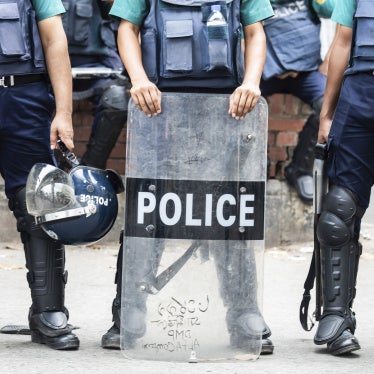
According to official U.S. government data, Immigration and Customs Enforcement (ICE) and other federal law enforcement agencies have arrested hundreds of thousands of people in the US in 2025, including many in World Cup host cities. Agents, often in masks, plainclothes, and unmarked vans, have detained people at their homes, in their vehicles, at courthouses, near schools, on streets, and in workplaces, often targeting Latino, Black, Asian, and other communities of color. And in some locations, contracts between state and local law enforcement and ICE result in people being handed over to ICE after routine encounters. Some of the people at highest risk of detention by ICE are workers, whether at their places of work or in transit.
U.S. citizens have been killed while protesting ICE arrests. One asylum seeker father at the FIFA Club World Cup was detained for a minor offense, handed over to ICE, locked up for months and returned to his country of origin, while his children watched him taken away in handcuffs. People inside many ICE detention centers are subject to arbitrary detention, cruel and inhumane treatment, inadequate food and water, lack of medical care, and denial of due process. Already in 2026, 11 people have died in immigration detention.
With weeks until kick-off, most of the 16 World Cup host committees still have not released the Human Rights Action Plans they are supposed to produce. It is impossible to manage human rights risks without identifying them and putting in place systems to manage them.
New U.S. visa bans are blocking fans from qualified teams from attending the tournament. Haiti will compete in the World Cup for the first time in five decades — but the U.S. travel ban prohibits their supporters from coming. The same unjustifiable national exclusions apply to fans from Senegal, Côte D’Ivoire, Iran — all qualified nations. More than 75 countries face paused immigrant visas, with invasive 5-year social media checks for travelers from 42 more.
Players on many national teams, including hosts U.S., Canada and Mexico, are often immigrants or have immigrant heritage — football’s story is one of crossing borders and chasing dreams. But new U.S. rules and rhetoric slam the door on the world.
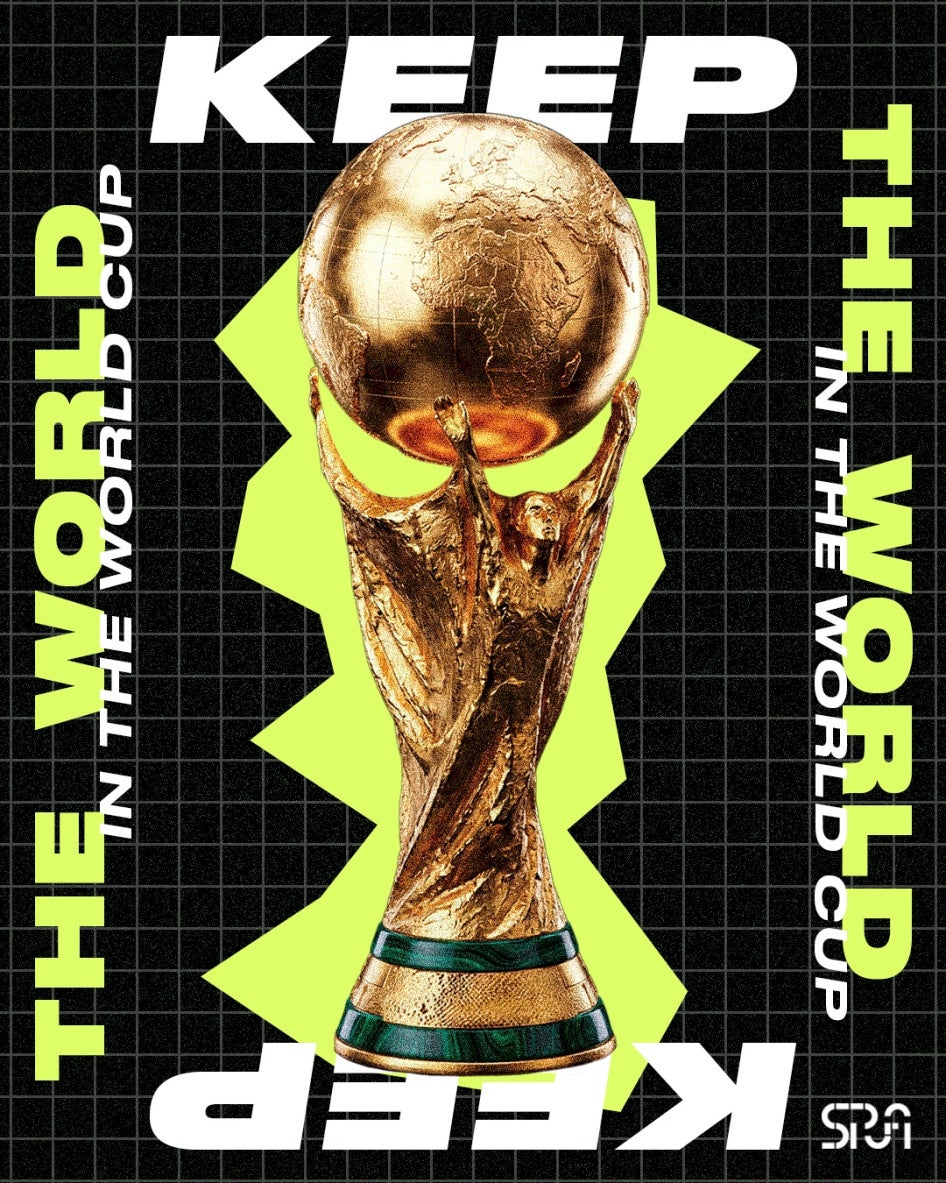
We are a movement of football fans, athletes, workers, community members and human rights organizations united under the banner of “Keep the World in the World Cup.” We are calling on FIFA to work with host countries to protect host city residents and communities, athletes’ rights, free speech, fans’ rights, press freedom, LGBTI rights, workers’ rights, and children’s rights to a safe tournament environment. This means among other things:
- Securing a public commitment to refrain from immigration enforcement operations at all World Cup events and venues, as a first step to ending abusive detention and deportation practices throughout the U.S.
- Ensure that all qualified teams, media, and fans affected by discriminatory visa and entry bans and social media surveillance will have equal access to the tournament regardless of nationality, religion, gender, or opinion.
- Establishing a formal FIFA human rights monitoring mechanism, with independent oversight, engagement with civil society, and public reporting, for the duration of the tournament.
- Implementing a FIFA child safeguarding policy that ensures families — including mixed-immigration status families — can attend the World Cup without fear of separation.
- Making a clear public commitment to press freedom and regular access for journalists, from the border to the stadium and everywhere in between, so journalists can do their jobs telling the full story of this tournament both on and off the field.
FIFA is not a bystander to human rights abuses. FIFA has signed contracts with host countries. FIFA participates in the U.S. government World Cup task force with the White House. FIFA awarded U.S. President Donald Trump a so-called "Peace Prize."
FIFA has the leverage — and the legal and moral responsibility — to stand up to demand protections for everyone who will work at or attend the 2026 World Cup.
Andrea Florence
Sport & Rights Alliance
About the Sport & Rights Alliance
The Sport & Rights Alliance’s mission is to promote the rights and well-being of those most affected by human rights risks associated with the delivery of sport. Its partners include Amnesty International, The Assist, Building and Wood Workers’ International (BWI), Football Supporters Europe, Human Rights Watch, ILGA World – the International Lesbian, Gay, Bisexual, Trans and Intersex Association, the International Trade Union Confederation (ITUC), Reporters Without Borders (RSF), Transparency International, and World Players Association, UNI Global Union. As a global coalition of leading NGOs and trade unions, the SRA works together to ensure sports bodies, governments and other relevant stakeholders give rise to a world of sport that protects, respects, and fulfills international standards for human rights, labor rights, child wellbeing and safeguarding, and anti-corruption.